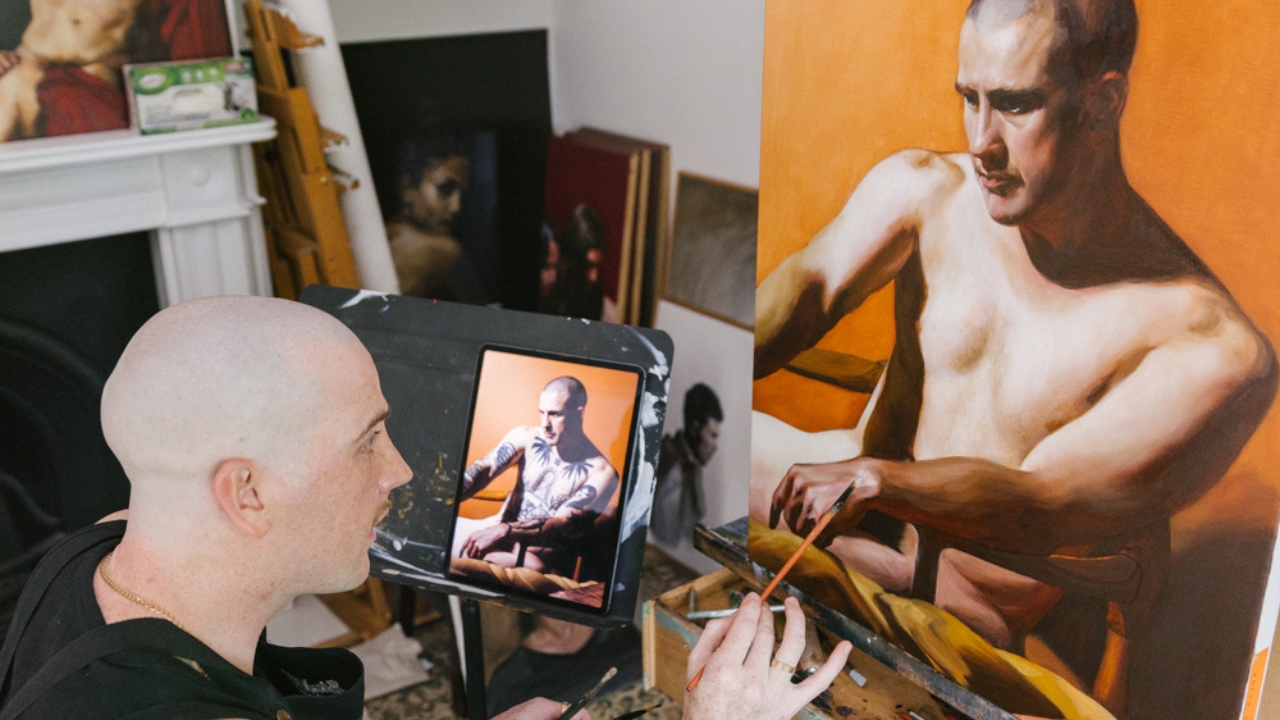
The Painter Who Started Painting to Heal
Anthony Stevens is a portrait painter from Melbourne. He picked up a brush as therapy, and now paints to hold onto feelings a camera never quite can.
“With painting, you can literally say, "This is what I saw in the shadow. This is what I saw in the brightest light. Here you go, have a look at it."”
A form of therapy
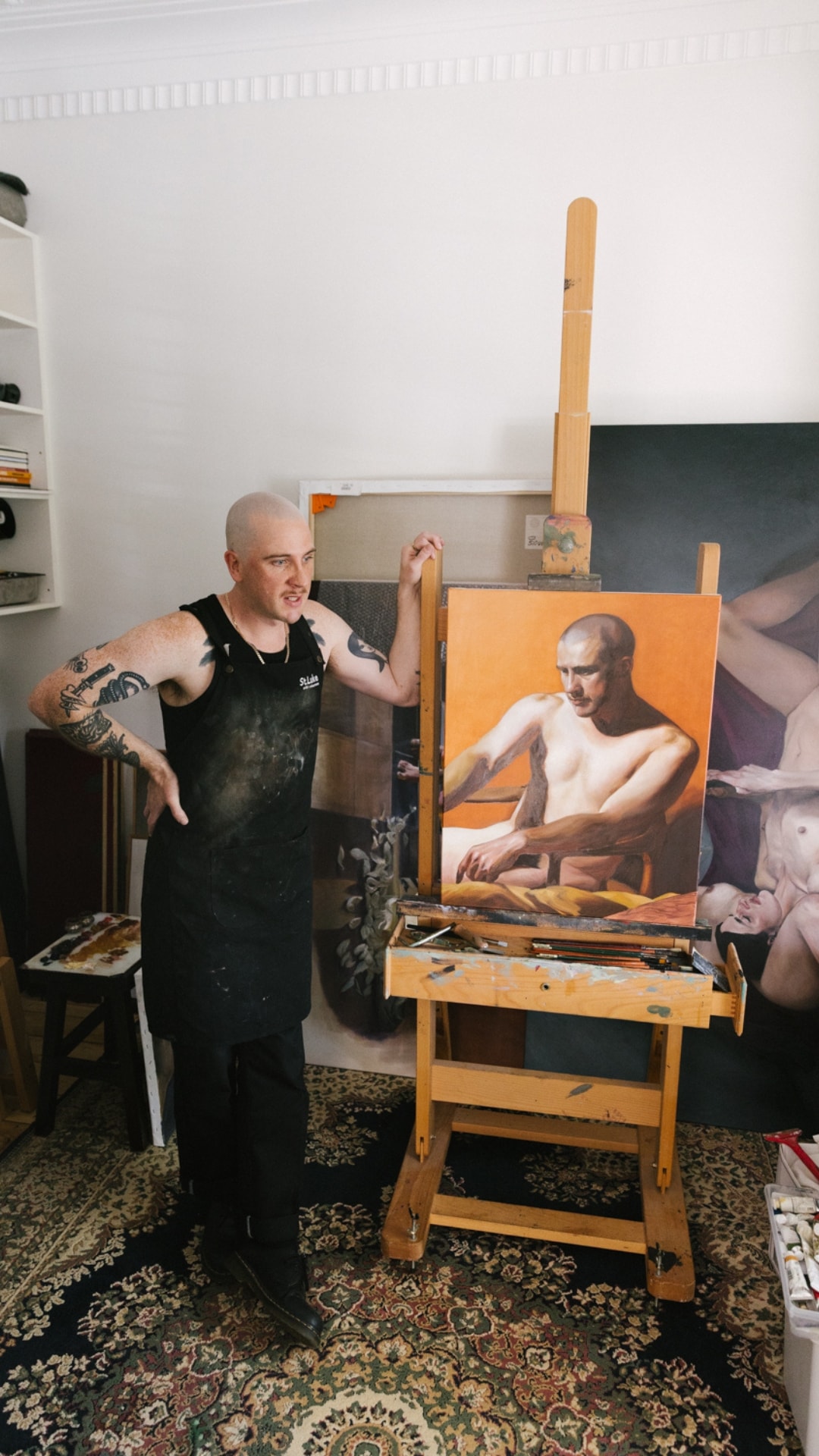
Anthony Stevens is a portrait painter from Melbourne, Victoria. He didn't come to painting through art school or a family of artists. He came to it, in his words, "as a form of therapy."
Between the ages of about 16 and 18, Anthony went through some serious mental health challenges, which ended in a suicide attempt that left his body badly hurt. For a long time he didn't tell anyone it had been intentional. His family and friends thought it was an accident.
Eventually he realised he needed help, and he found a psychologist he still calls "a really great psychologist." She asked him simple questions. Is there anything you love? What do you want to be doing with your life? How are you feeling?
He told her there were three times he felt most relaxed, confident and comfortable: playing football, being out fishing, and painting, which he had tried and really enjoyed. Her answer was just as simple. Maybe painting could be a release. Use it as therapy, and give it a crack.
What a camera can't hold
When I asked Anthony why paint, rather than a photograph, he talked about limits. With a camera, he said, "you're always limited by the technicality of the camera," by its specs, by its dynamic range.
A painting doesn't have that ceiling. He can put down exactly what he saw in the shadow and exactly what he saw in the brightest light. "If you communicate to them properly with your painting, somebody will be able to understand that feeling that you're having," he said. "I find it really lovely."
“Essentially what I'm doing is flinging mud around. It's just mud and oil.”
Mud and oil
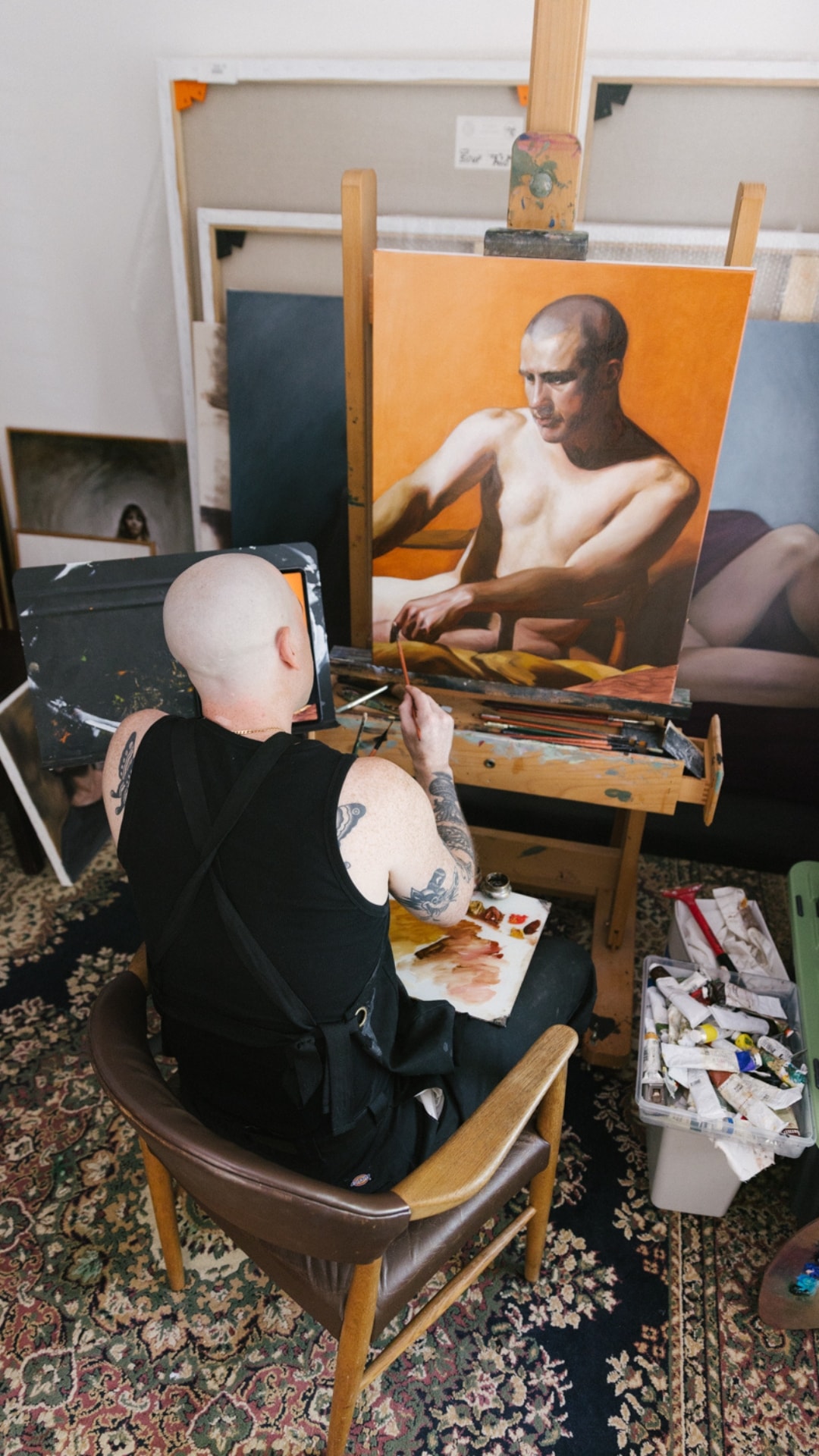
For all the care in his work, Anthony is plain about the materials. "Essentially what I'm doing is flinging mud around," he said. "It's just mud and oil."
Part of the pleasure is in the surprises. Colours mix on the palette and something happens he didn't plan. "You go, oh, that's a shock." And if it's beautiful, he can quickly put it in its correct spot on the canvas.
Paintings for the wall
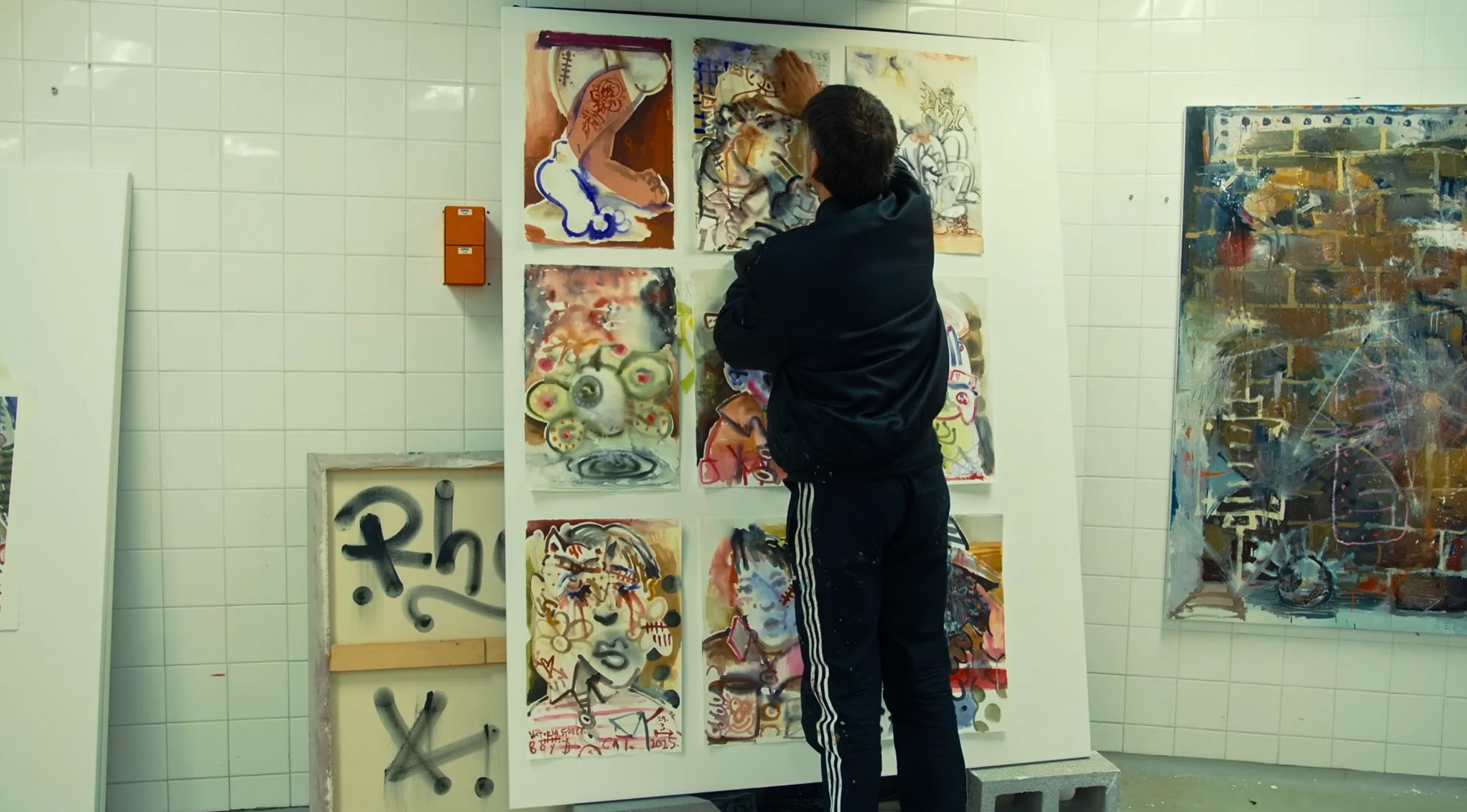
Anthony makes a very specific kind of painting, the kind he wants to see on his own walls. He doesn't think everyone buys art for that reason. Some people buy a piece because they like its name, or as an investment. His view is simpler: why not buy something you find interesting, something you would love to see every day?
He is clear that money is not the point. From where he sits, art is "a money pit," because he is the one spending the money. He isn't doing it to make a million dollars. He's doing it because he loves it, and he said so in stronger words than that.
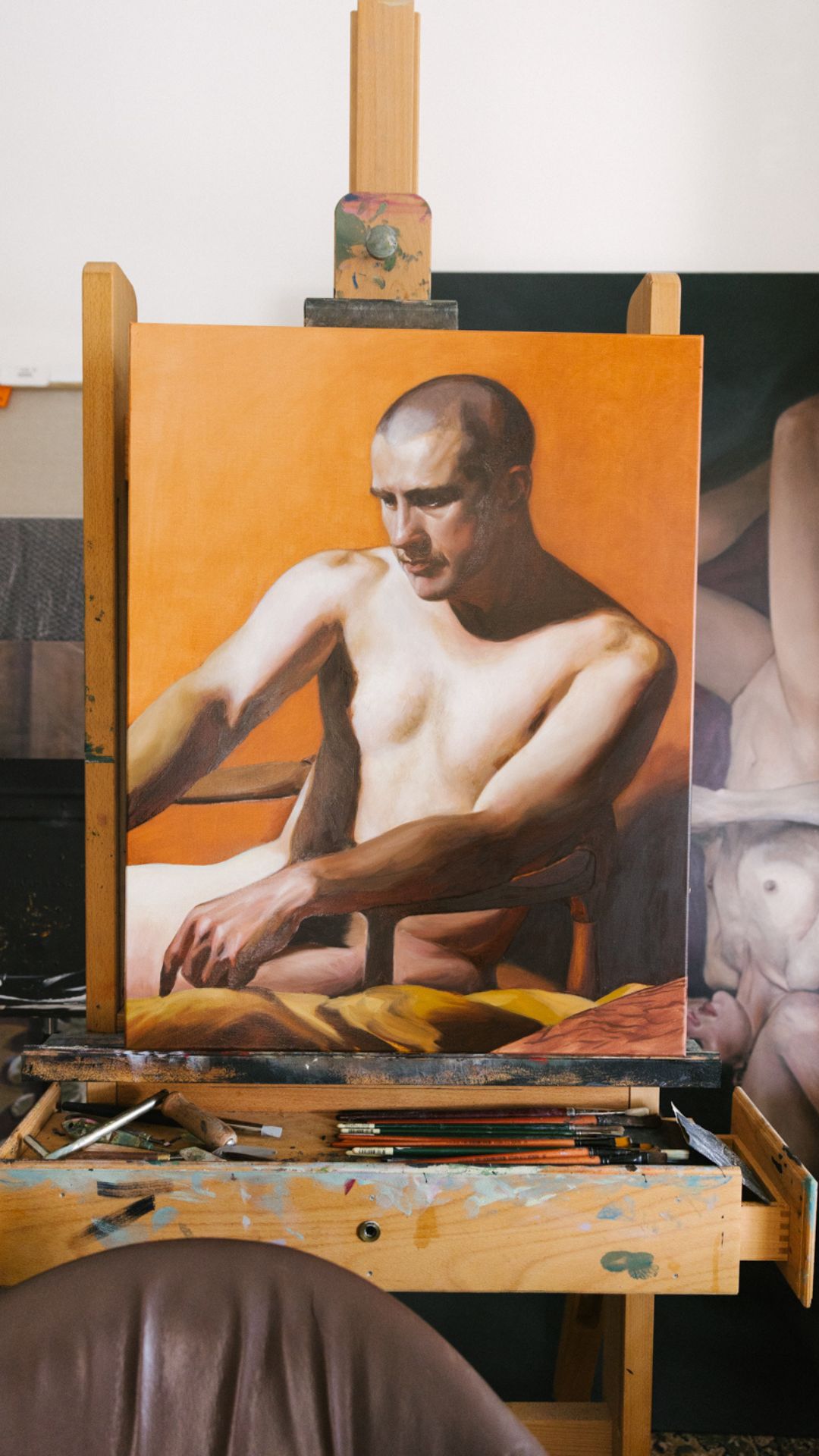
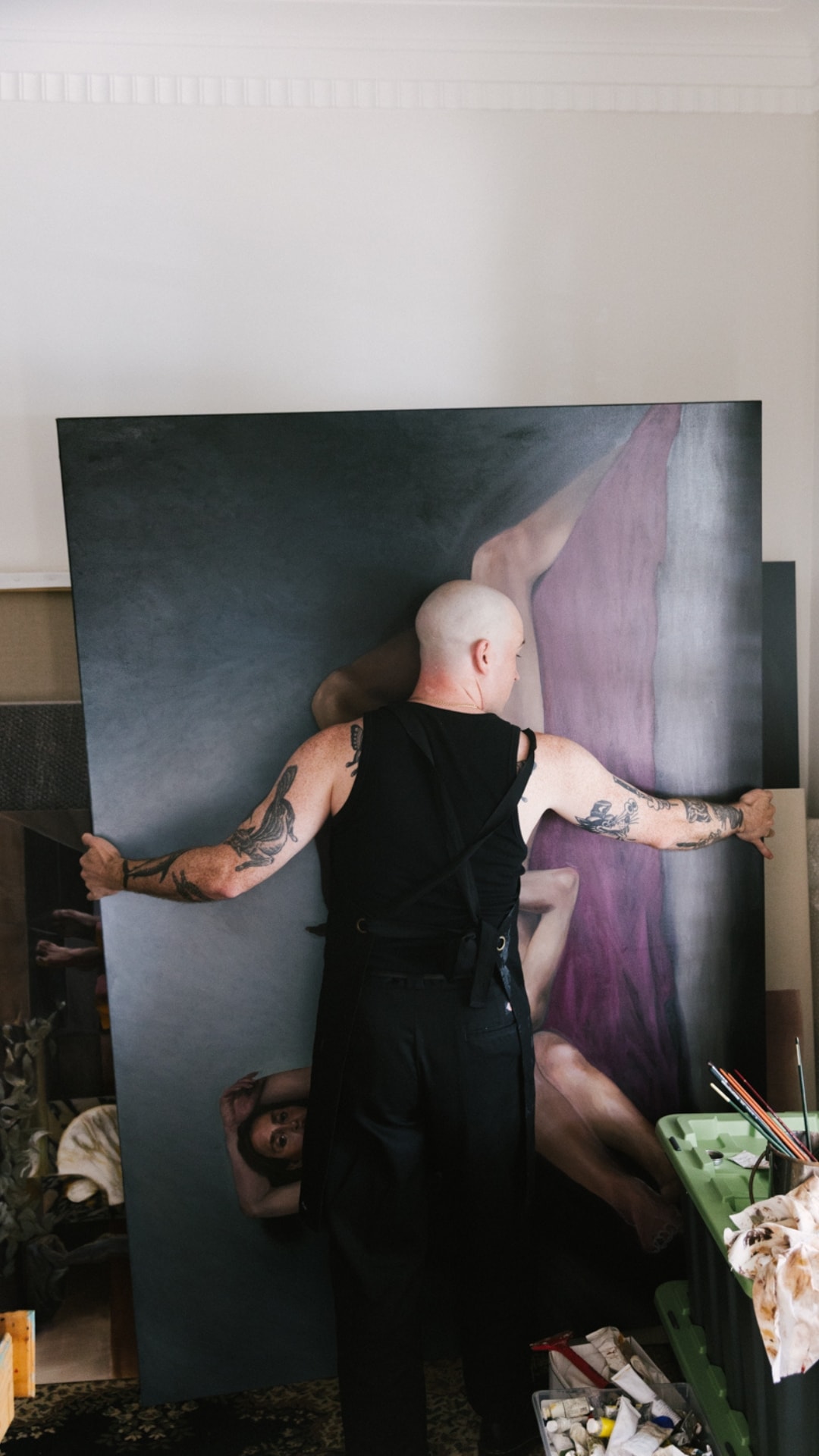
He knows his work isn't for everyone, and that it is easy to misunderstand. What he makes is representational art. "I'm making this to represent something that I'm feeling, that I'm thinking, that I'm experiencing," he said. If someone looks at a painting and sees a beautiful thing, he has done his job.
Something that outlives him
I asked Anthony what he hoped people would see of him in the work. He hopes they get some sense of who he is: a careful person, pretty meticulous in the way he approaches things. "I guess I paint honestly," he said.
Then he boiled it down further. His work, he said, is a response to his own reflection on mortality. The paintings will hopefully outlive him, "as long as there's no big fire in this house." They hold the thoughts, feelings and emotions he is having right now.
He likes the idea of a child of a child of a child of his looking at one of them in 100 years' time, seeing what he felt 100 years earlier, and finding it helps them in some way. "It's a pure response to life," he said.
“If I started painting because I needed something to help me keep living, maybe painting is something that helps me living on after I've gone.”
He doesn't think of it as a legacy, exactly. "These are all parts of me," he said, "and this is something that I'm going to be able to leave behind."
Near the end of our conversation he joined the two ends of his story together, the reason he started and the reason he keeps going. Then he paused. "Maybe that's what it is. Not sure," he said. "I've never thought about that."
From the shoot
Related
Artist Studio Visit: Melissa Grisancich
People, places, nostalgia, and the ugly stage in between.
He Never Trained As An Artist. Now He's In The National Gallery.
Drawing as magic, play as a practice.
What Happens Inside A Psychedelic Artist's Studio?
Clay, oils, Mr Cone Head and the battle between money and art.
Inside the Epic Studio of an Abstract Artist
A second chance, and the work that came out of it.