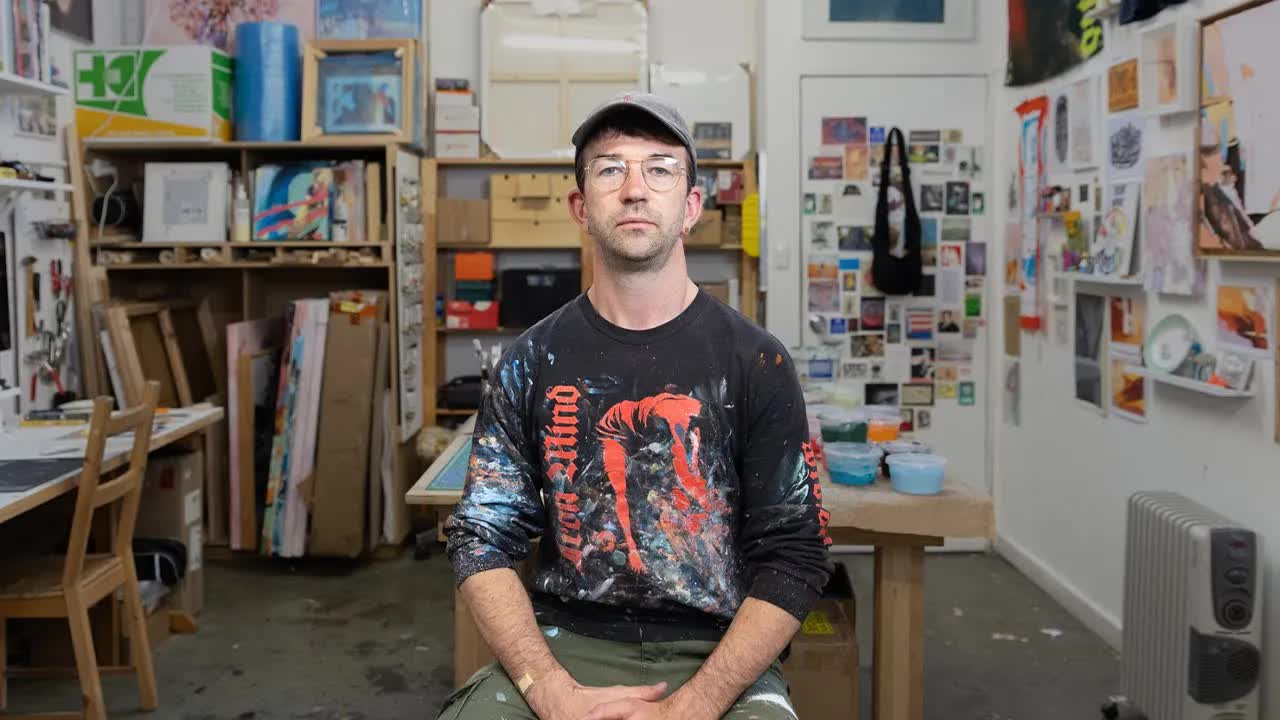
Inside the Studio of Painter Sam Octigan
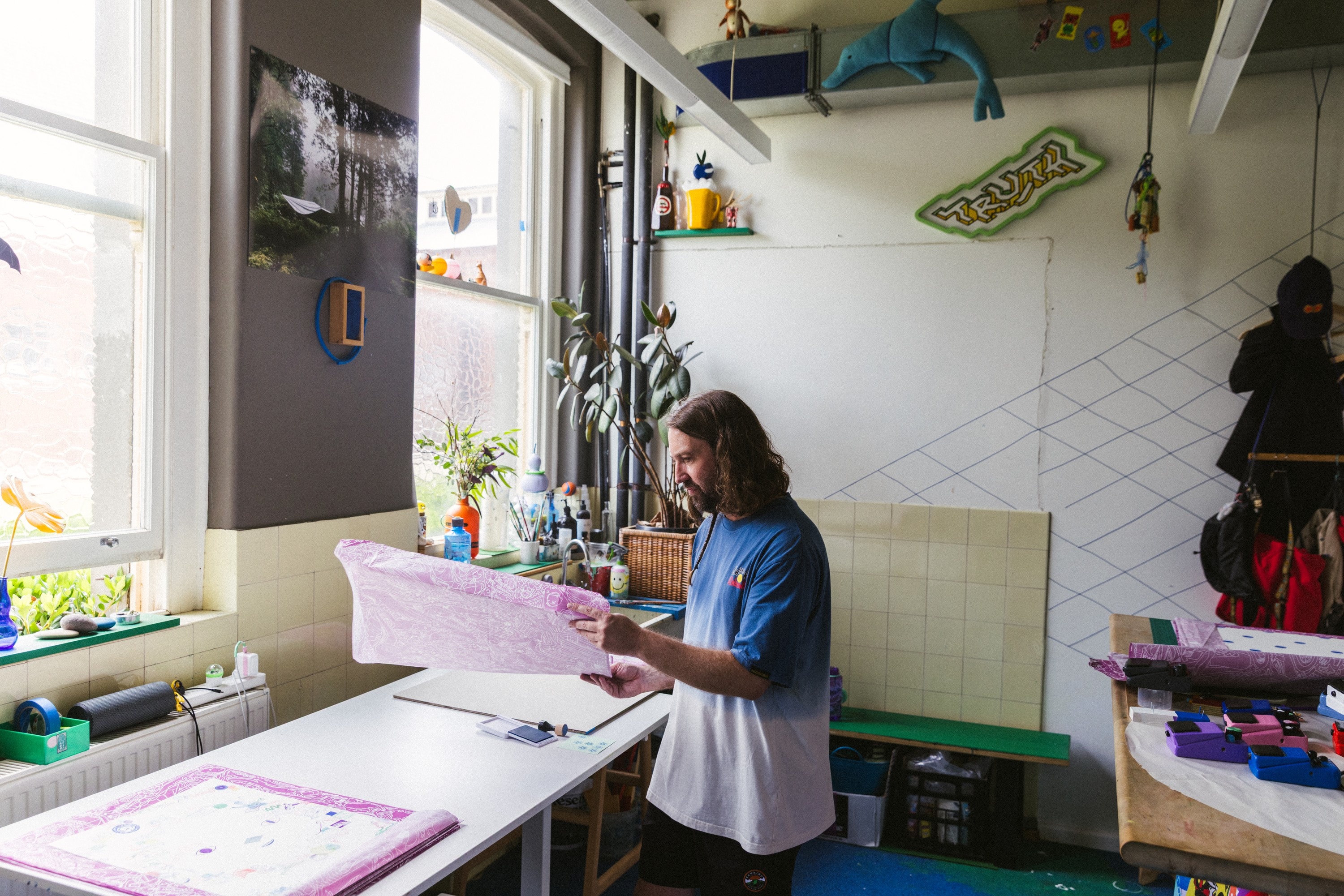
Sam Octigan has been drawing since he was very young. In his Melbourne studio he builds a visual language slowly, one body of work at a time, and paints what he wants to see in the world.
“You see it in your mind. It’s either a painting or a film or a song. And it’s about grabbing that idea with the skills that you have. There’s a small amount that’s a question mark, and that’s the leap that you take.”
Always drawing
Sam Octigan is a visual artist based in Melbourne. There was no moment when it started. “I’ve sort of always drawn,” he told me, “from a very, very young age.”
He grew up in a working-class family, and his parents backed him. They encouraged him to be creative and pushed him to follow that path. But there was always a caution attached. “It was always the idea of, well, you have to have a job,” he said. “It was never put to me that I could just be an artist.”
I think a lot of people who make things will recognise that. Support and caution, side by side, from people who love you.
Process first
Sam describes himself as process based. He needs to enjoy the doing of it, not just the result, and that shapes how he works.
He knows the other kind of artist, the one for whom painting is chaotic, emotional, a lot of up and down. The one who stands back and says, “I hate this. I need to start again.” That isn’t him. “With me, it’s very incremental,” he said. “It’s kind of iterative.”
“Never a drastic change, which in my mind would be a big risk.”
One body of work to the next
The way he explained it, each body of work grows out of the last one. He keeps what he enjoyed, buffs out the things that weren’t working, and slowly brings in something new he wants to experiment with. Never a big swing. “Never a drastic change,” he said, “which in my mind would be a big risk.”
It’s a patient way to build a visual language. Nothing is thrown away, and nothing arrives all at once. You can only really see the change if you step back and look across a few years of work.
The leap
Even in a practice this careful, there is a moment of risk. Sam talked about seeing a piece in your mind before it exists, whether that’s a painting, a film or a song. The job is to grab that idea with the skills you have. Most of it you can plan for. “There’s a small amount that’s a question mark,” he said, “and that’s the leap that you take.”
I liked that he made it small. Not a dramatic jump into the unknown, just a little gap at the end of everything you already know how to do.
What you want to see
So why do it? Sam’s answer was simple. “I think for me, and for a lot of artists, what it really is is you’re creating what you want to see in the world,” he said. “And you’re putting it out there, wanting other people to respond to it in a positive way.”
He was careful not to speak for everyone. Some artists want to shock, some want to create controversy, and he called that a very valid form of art making. It just isn’t what drives him.
“Hey, this is what I like. That says something about who I am. Do you like this?”
Not that dramatic
The last thing he said is the part I keep coming back to. People talk about artists putting their soul into their work, and Sam thinks that makes it sound bigger than it is. “It’s not that dramatic,” he said. “It’s more like, hey, this is what I like. That says something about who I am. Do you like this?”
There’s a vulnerability in that, he said, the same one in telling someone the music you love or the books you like. You’re offering a piece of yourself and waiting to see what comes back.
“That’s why I paint.”
Related
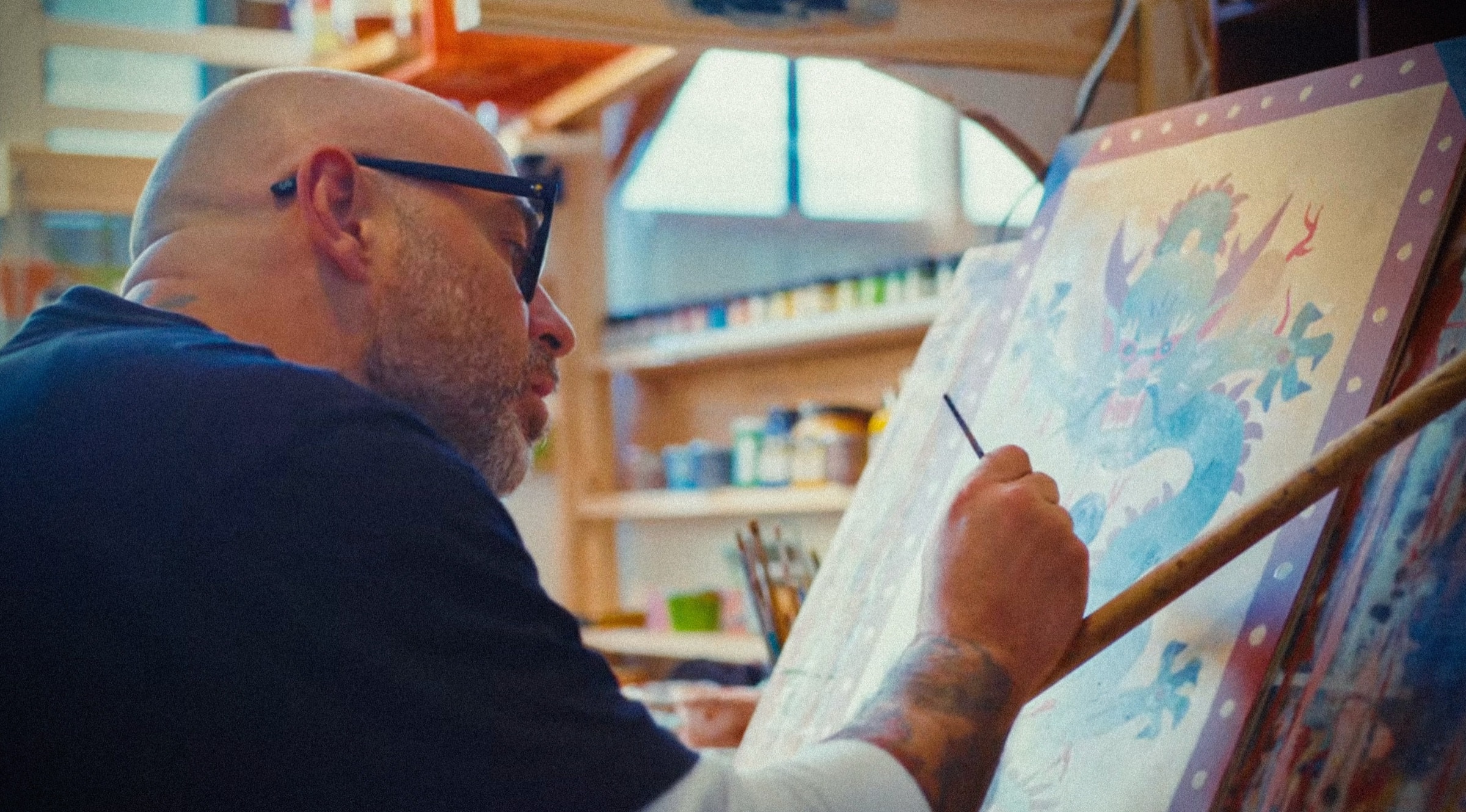
Why I Left Tattooing to Pursue My Passion for Painting
From the tattoo chair to the painting bench, chasing the fun.
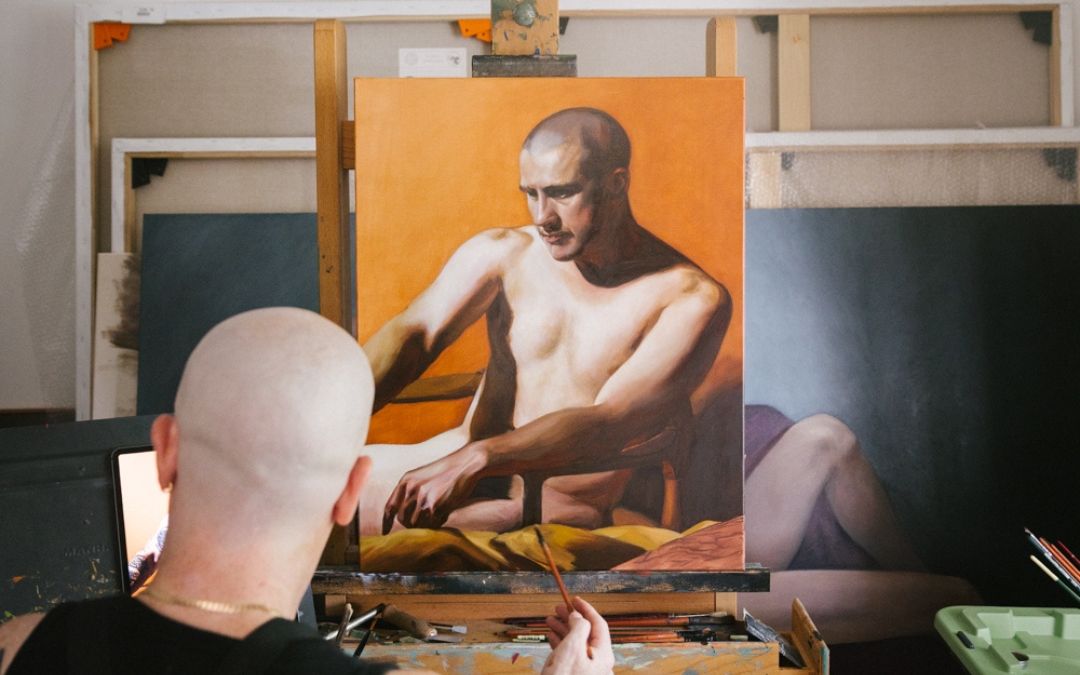
The Painter Who Started Painting to Heal
Painting as therapy, and as something to leave behind.
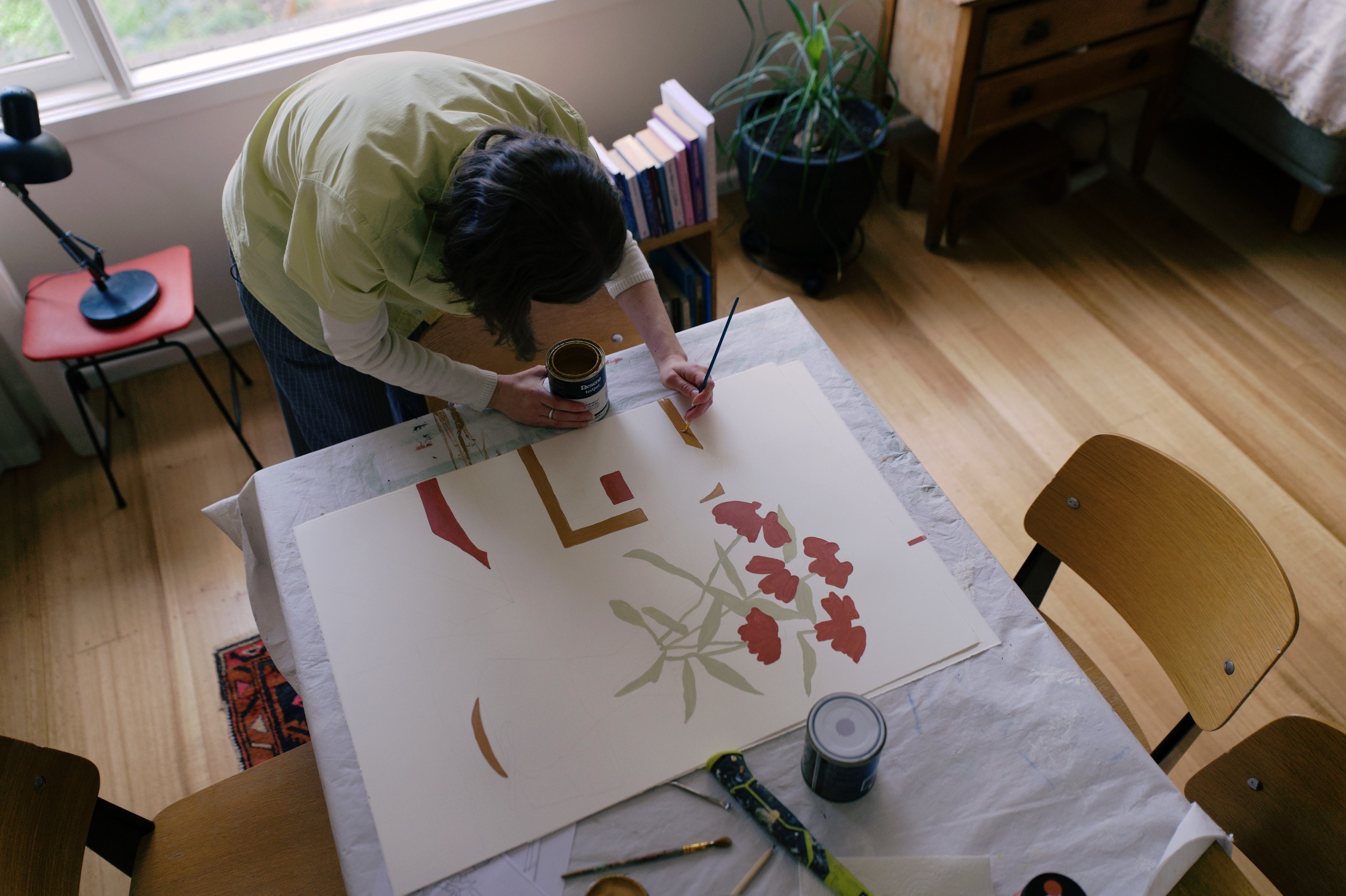
Artist Studio Visit - Angharad Neal-Williams
Flat colour, quirky lines and imagined worlds.
He Never Trained As An Artist. Now He's In The National Gallery.
Drawing as magic, play as a practice.