What 18 makers taught us about making things
We've filmed 18 makers in their studios, workshops and garages. Nobody handed us a rulebook, but the same few ideas kept coming up. Here's one thing each of them taught us, in their own words.
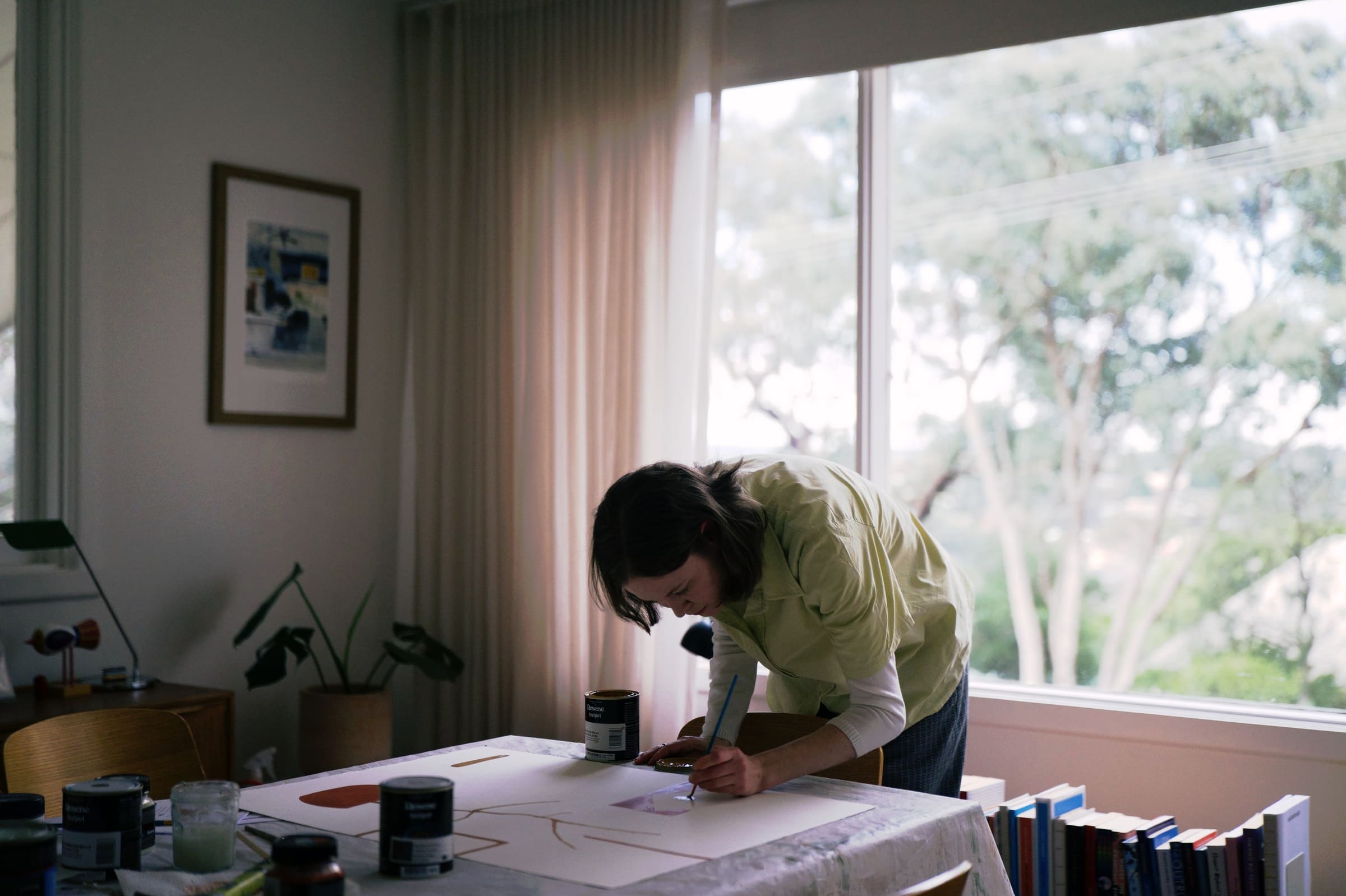
Since we started Ordinary Giants, we've sat in 18 rooms where things get made: painting studios, a glass furnace, a darkroom, a jeweller's bench, a garage on the Gold Coast. Every one of them works differently. But the same few ideas kept coming up, about starting, about mistakes, about why anyone bothers.
Here's one lesson from each of them, in their own words, and the film it came from.
Abbey Rich: say yes before you're ready
Abbey Rich had never painted when someone asked them to paint a mural. They said yes anyway. The first one was a glasses store on Gertrude Street. "It took me forever and I was really slow," they said, "but I really loved it."
Abbey is a public artist now, working on a sculpture trail seven and a half kilometres long. None of it was planned. It started with one wall and an idea that stuck: "I realised, oh, I could just be using space that already exists to turn it into something else."
Angharad Neal-Williams: keep the way you drew as a kid
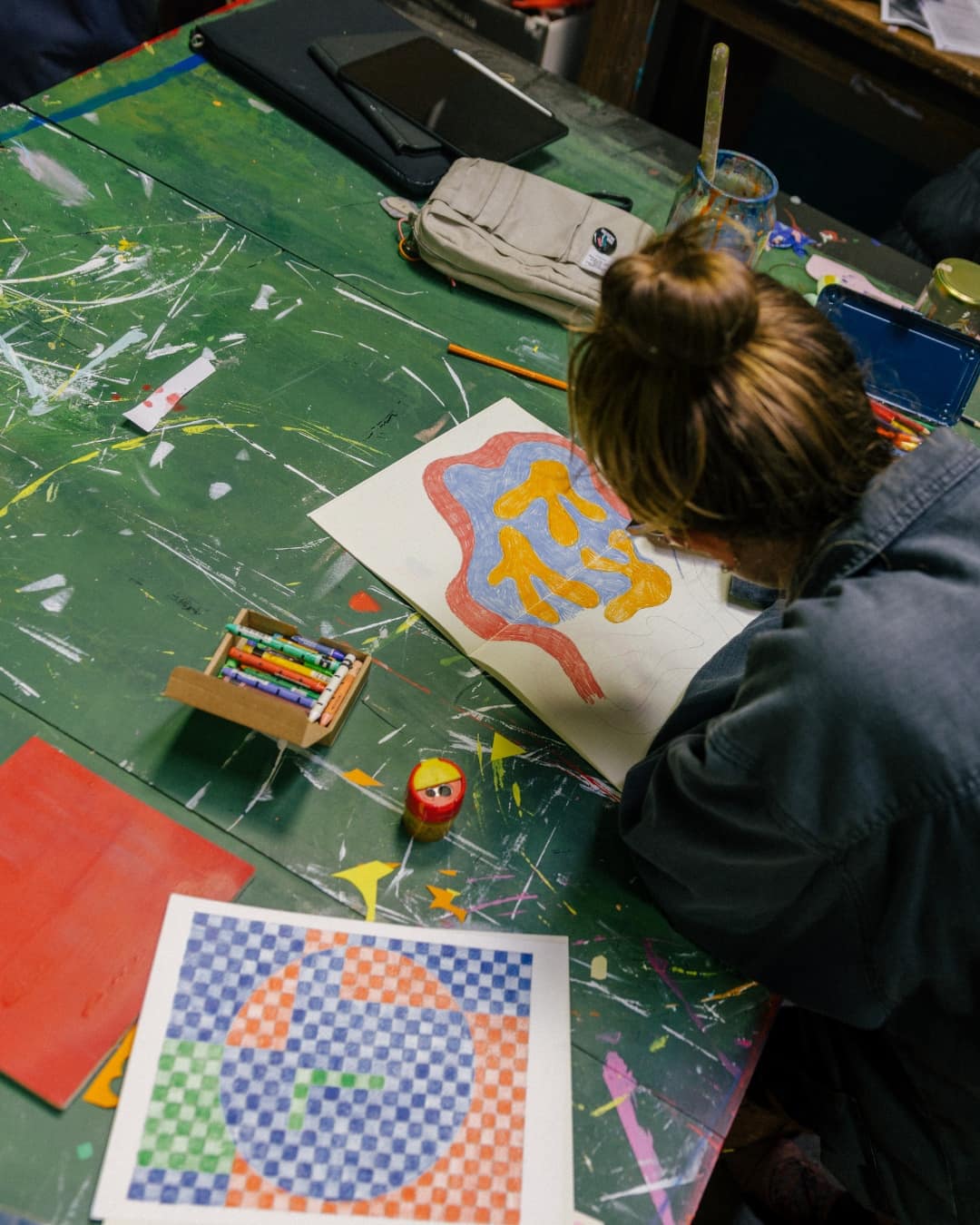
Most of us spend years learning to draw like other people. Angharad Neal-Williams never did. As a kid, she said, you aren't as influenced by other people's styles. "You just draw what you draw. And then I think I've just kept that."
She still starts with a black marker. "I really like straight-on lines that are a bit quirky and not perfect," she said. "Imperfect, but still observational."
Tom Gilroy: you don't have to draw it first
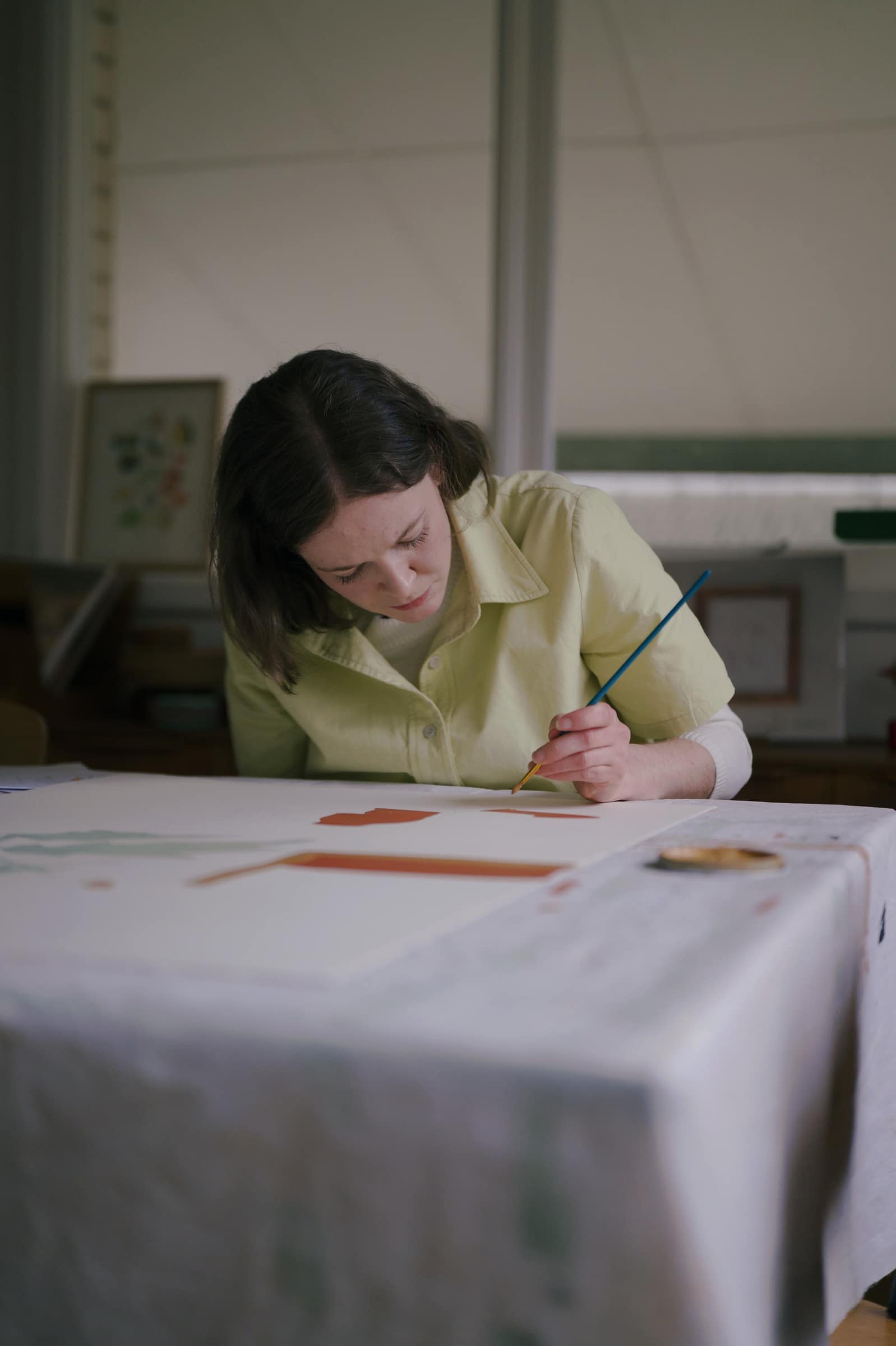
Tom Gilroy builds custom motorcycles at Purpose Built Moto, and the first thing he told us is what he isn't. "I'm not a designer," he said. "I can't put pen to paper."
That doesn't stop him designing. It just happens in the making. "When I create stuff, it's always manual," he said. You don't draw it first and then build it. You build it, and that's where it takes shape.
Adam Nash Coleman: work it out yourself
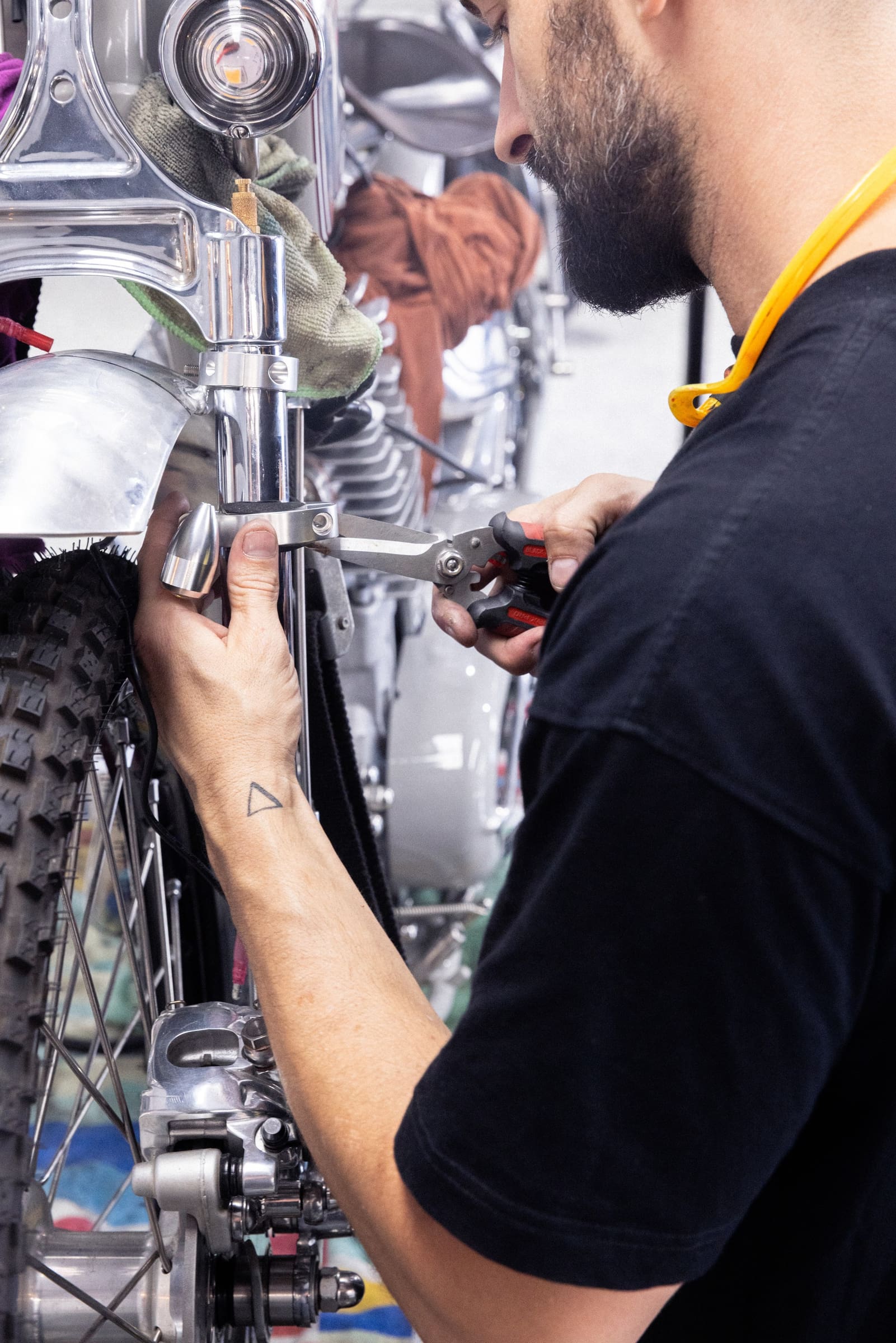
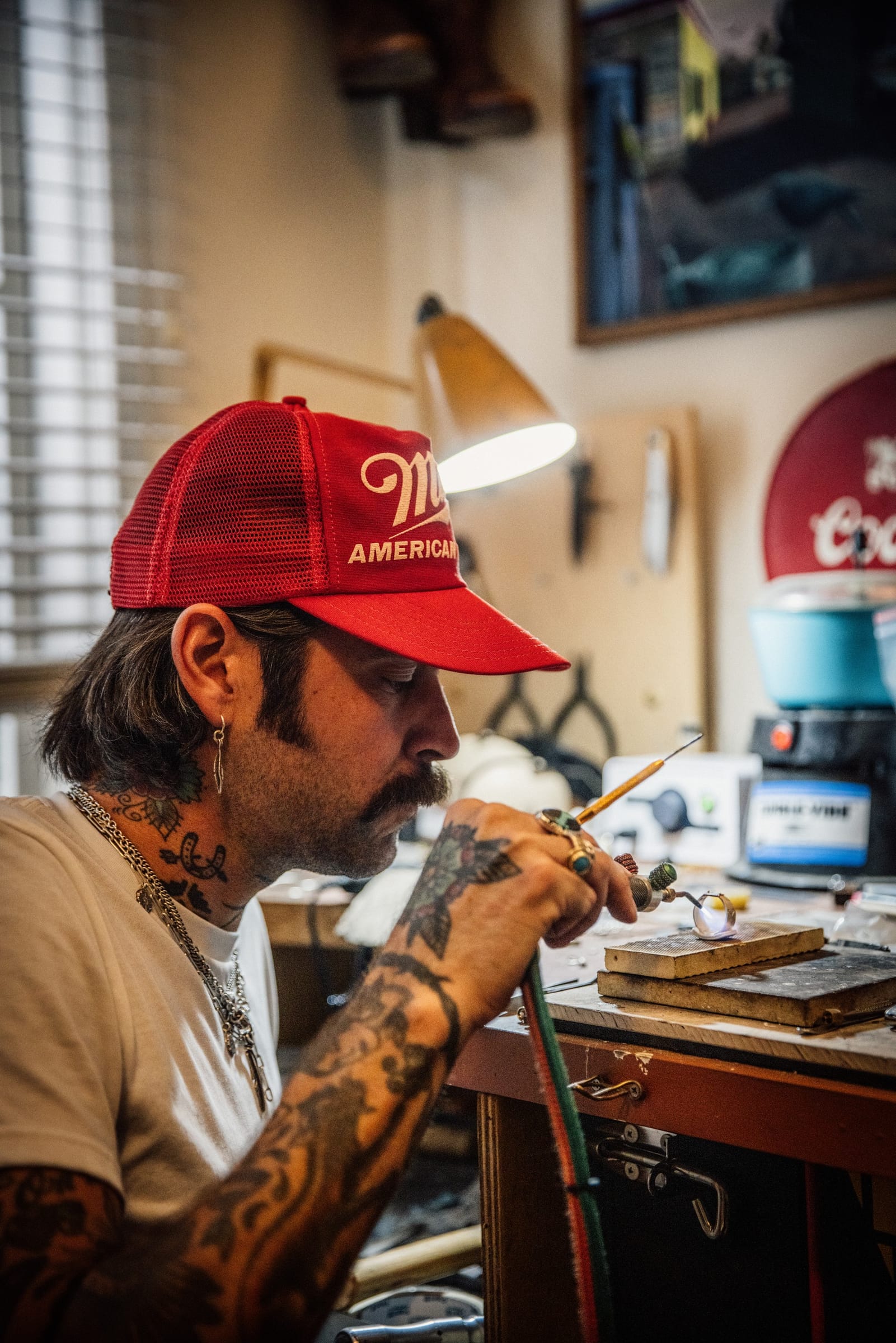
A lot of what jeweller Adam Nash Coleman knows, he figured out alone at the bench. He sees something, doesn't know how it was done, and finds a way. "Chucking it in the vice with a file and being like, 'Okay, I think that's how you do it.' Whatever works."
He knows it isn't always the textbook method. "There's probably things I'm doing in a much easier way," he said, "but it works for me." That's where a lot of his joy comes from: the little touches nobody taught him.
Billy Hietanen: collect fragments, then look twice
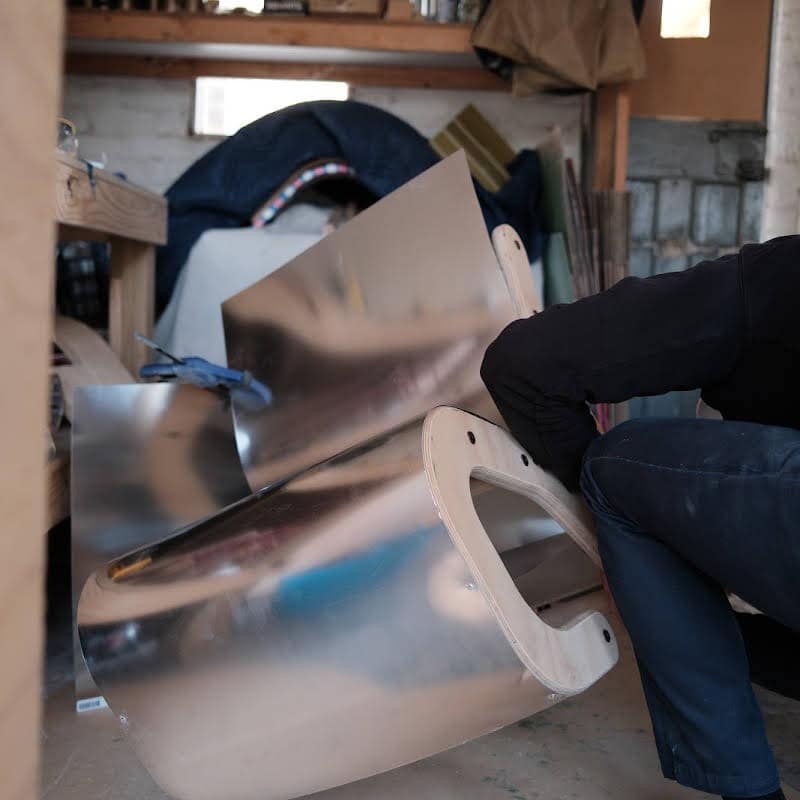
Furniture designer Billy Hietanen gets his ideas in pieces. "I'll just see a tiny bit of a propeller wing, and then I'm like, oh, I could do that." A design is rarely one idea. "It's like these two or three ideas seem to link up, and then it all works together."
He also taught us to look again. The first time he sat on one piece, he thought it had failed: "ah, that was a swing and a miss." Then he saw it through his phone, with the light hitting it a certain way. "I was like, that's exactly what I wanted."
Rhys Viorr: start loose, stop at 80 per cent
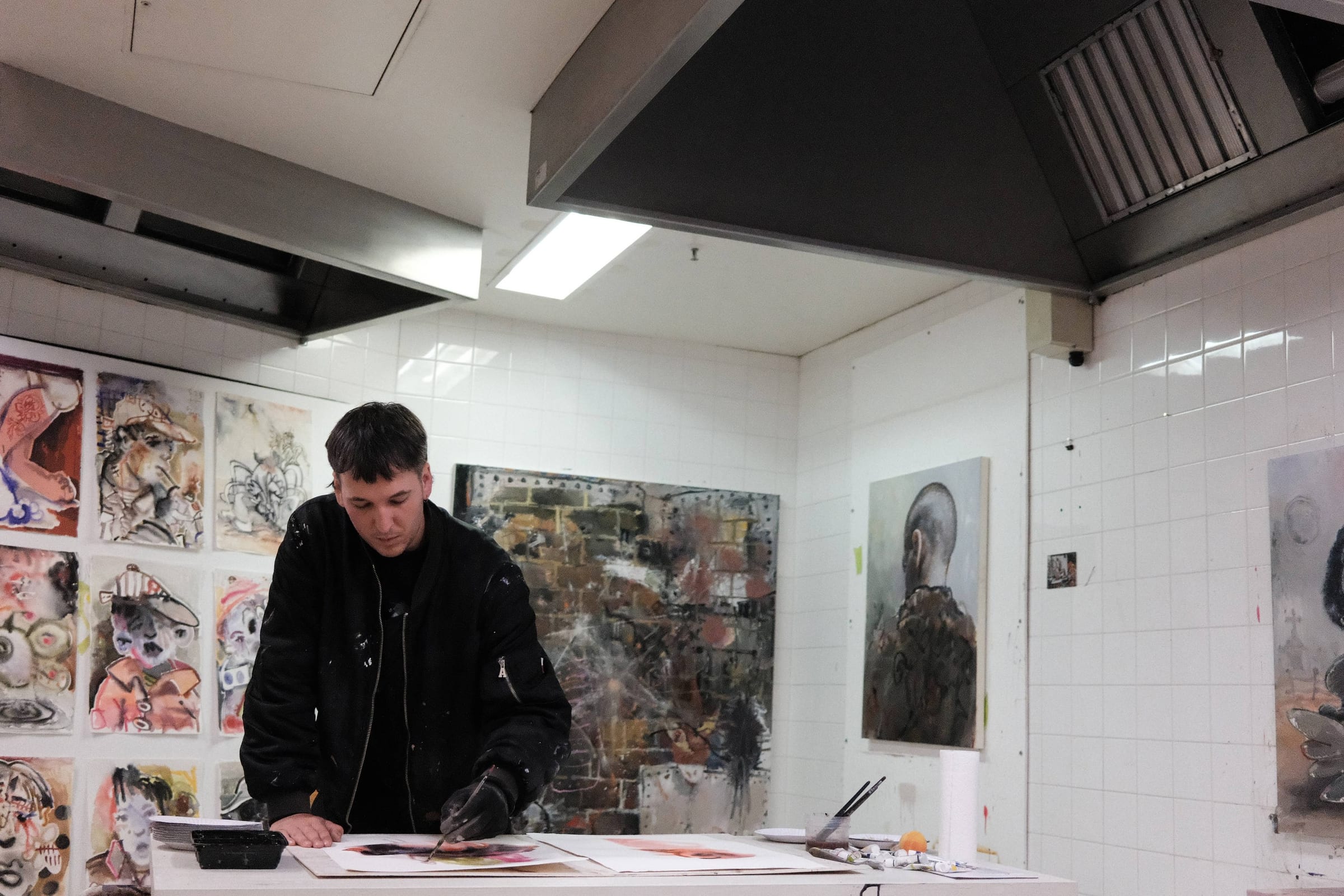
The first thing abstract artist Rhys Viorr does in the studio is rip up some paper. "I rip a few of these up and do something kind of loose and quick on them," he said. He might make 10 to 15 a week, then look for patterns worth taking into a bigger painting.
He doesn't finish those paintings in one go, either. He gets a work to about 80 or 90 per cent, then steps away. Coming back is when he decides. "That's usually the point where I either destroy it or try and resolve it."
Melissa Grisancich: get through the ugly stage
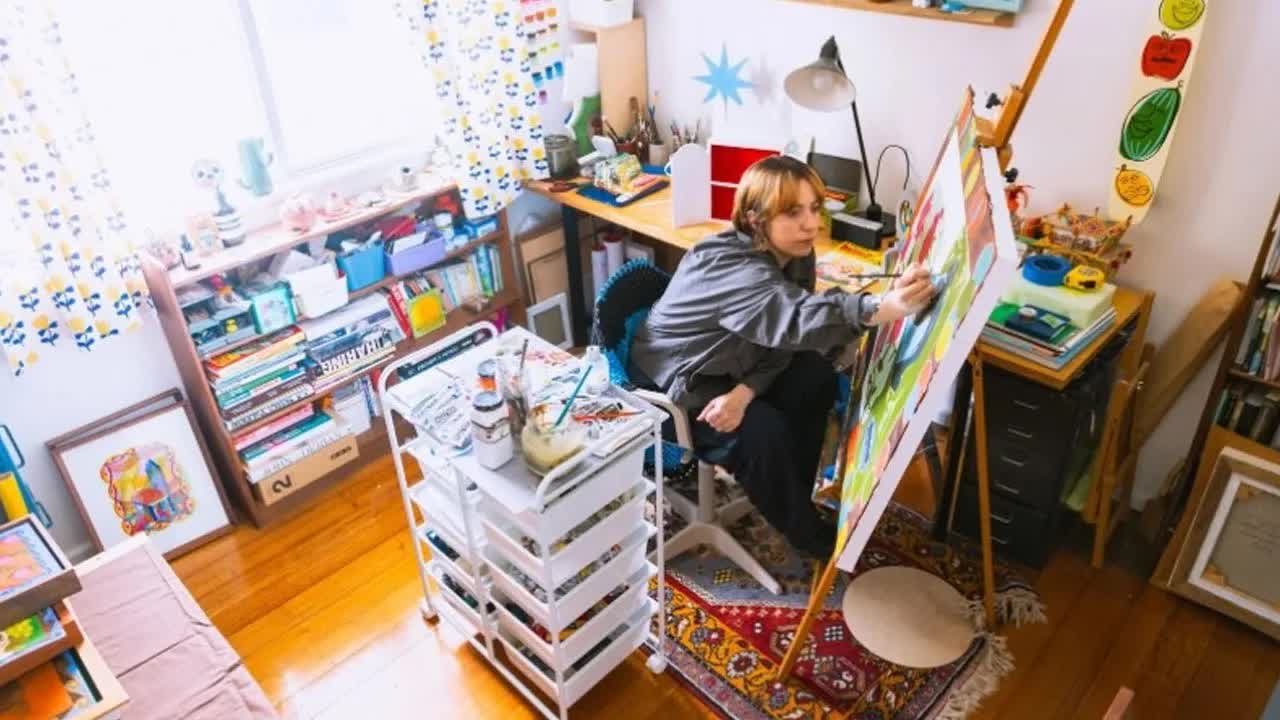
Every painting goes through a part nobody else sees. Painter Melissa Grisancich calls it the ugly stage. "No one really gets to see this part of it," she said. "But it is important, because that's how a painting is put together."
She stays with one painting until it's done, and the colour is never planned. "The colours are very intuitive," she said. "I don't plan what colour I'm using until I start painting."
Sam Octigan: change one thing at a time
Some artists tear it all up and start again. Painter Sam Octigan doesn't. "With me, it's very incremental," he said. "It's kind of iterative." Each body of work grows out of the last: keep what you enjoyed, buff out what wasn't working, bring in one new thing. "Never a drastic change, which in my mind would be a big risk."
Even then, there's a gap at the end of everything you know how to do. "There's a small amount that's a question mark," he said, "and that's the leap that you take."
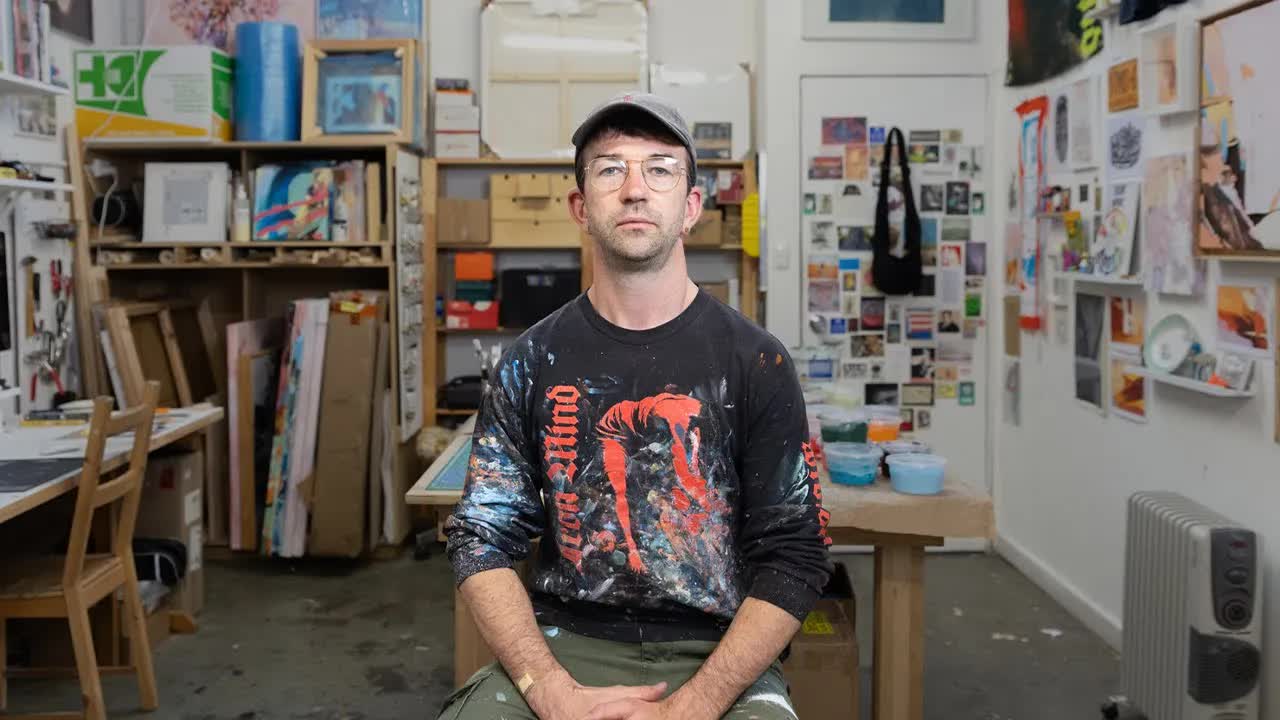
Christopher Myles Henderson: give yourself rules
Painter Christopher Myles Henderson drew the Holden Commodore a thousand times, with six textas. Six, because that was all the boys he taught in youth justice had to work with. He chose textas for their honesty too. "You can't hide anything with textas," he said. "It's all there."
He knew going in it would be a grind. "Drawing a thousand is a dumb idea." A thousand drawings later, he'd still say yes. "I think it is worth it. That's why I'm still doing it."
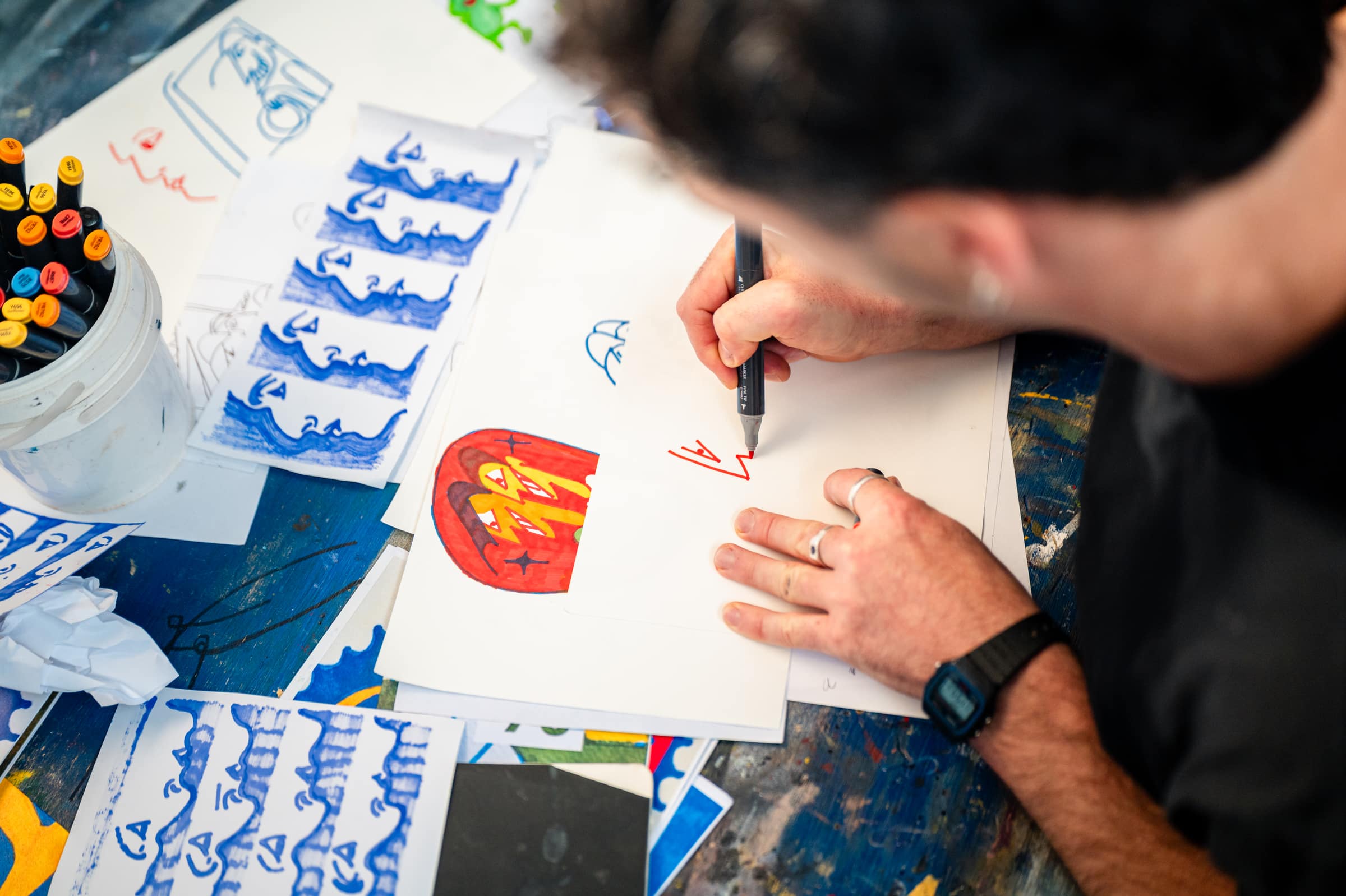
Dillon Jevon: test before you commit
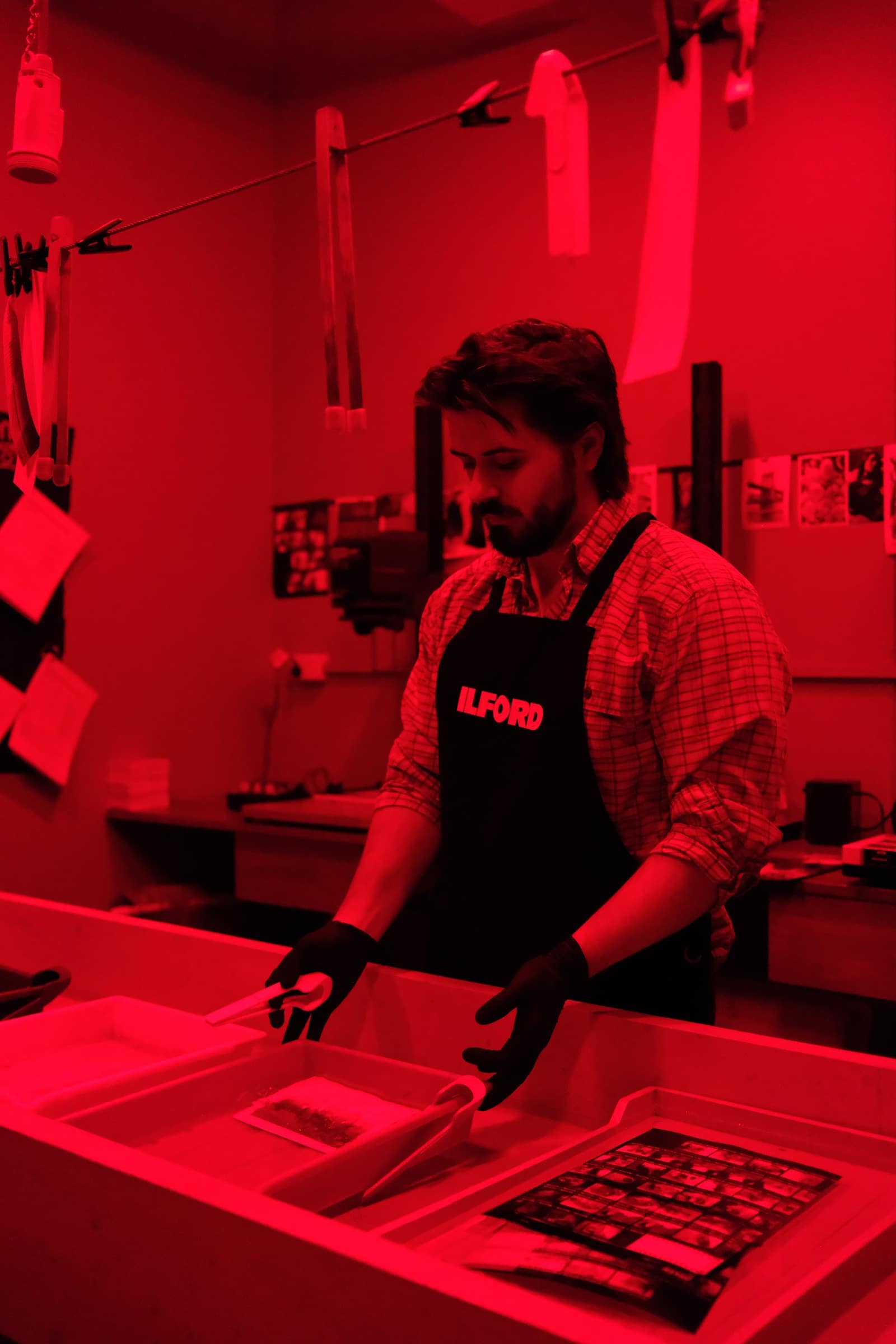
There's no light meter in Dillon Jevon's darkroom. At Brunswick Darkroom, exposure is worked out with a test print: one sheet, strips exposed from two seconds to twelve. "Consistency is key here," he said, "because I want the only variable that changes to be the exposure time, not anything I do in development."
And when a print comes out wrong, it isn't a disaster. "We often have little mistakes every time we print, but we can just keep printing," he said. "The only thing it takes from us is time and paper."
Robert Howard: make it more than once
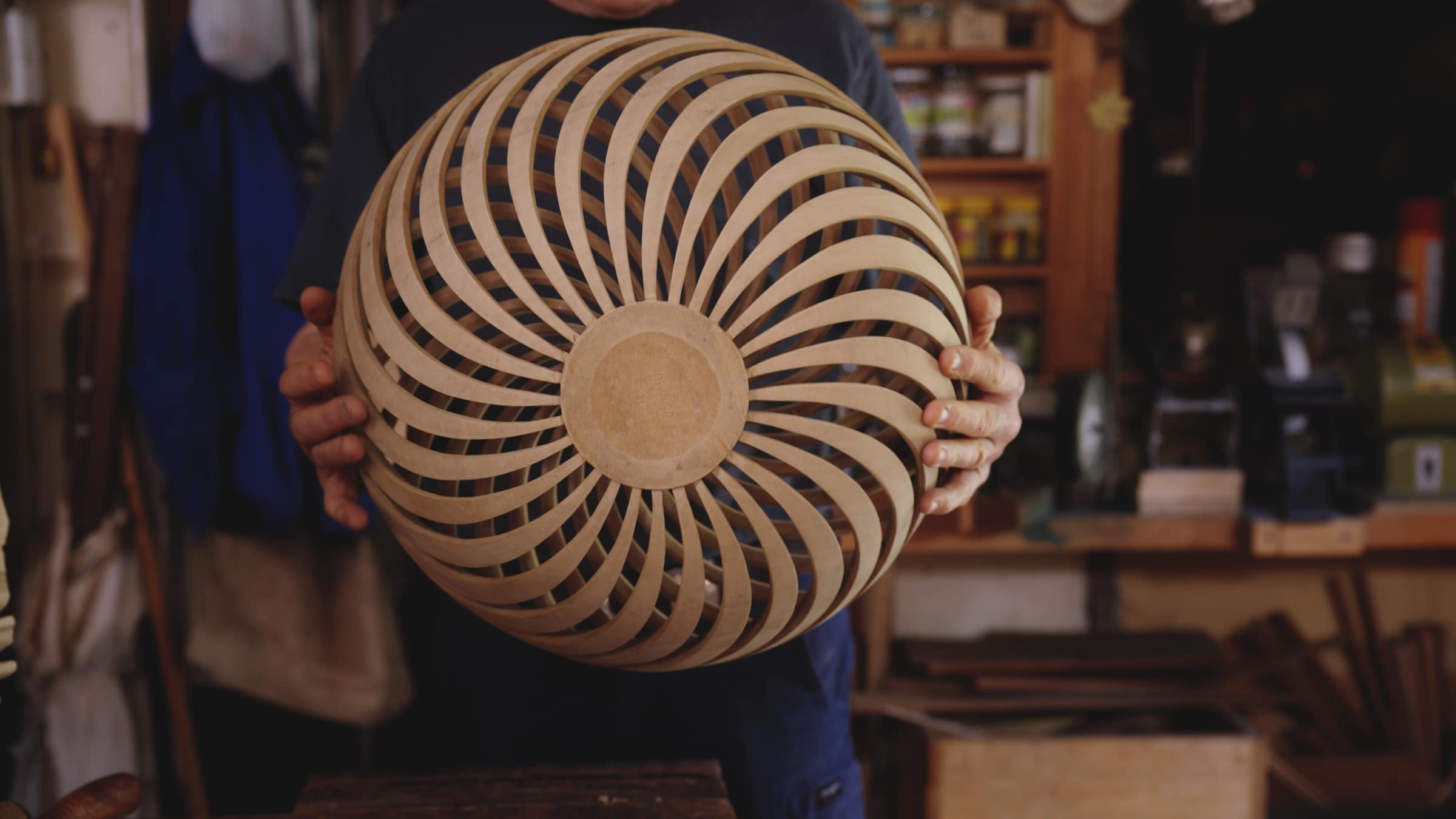
Master woodworker Robert Howard has made one chair more than 30 times and is still not happy with it. He tells his students to make things more than once, because every piece is a run of decisions you can't undo. "You can take the wood away, but you can't put it back."
The first couple of goes teach you the form. "Then you can start making something." And perfection? "I don't expect it to be perfect. I hope it'll be perfect, but I don't expect it."
Billy Crellin: keep your mistakes
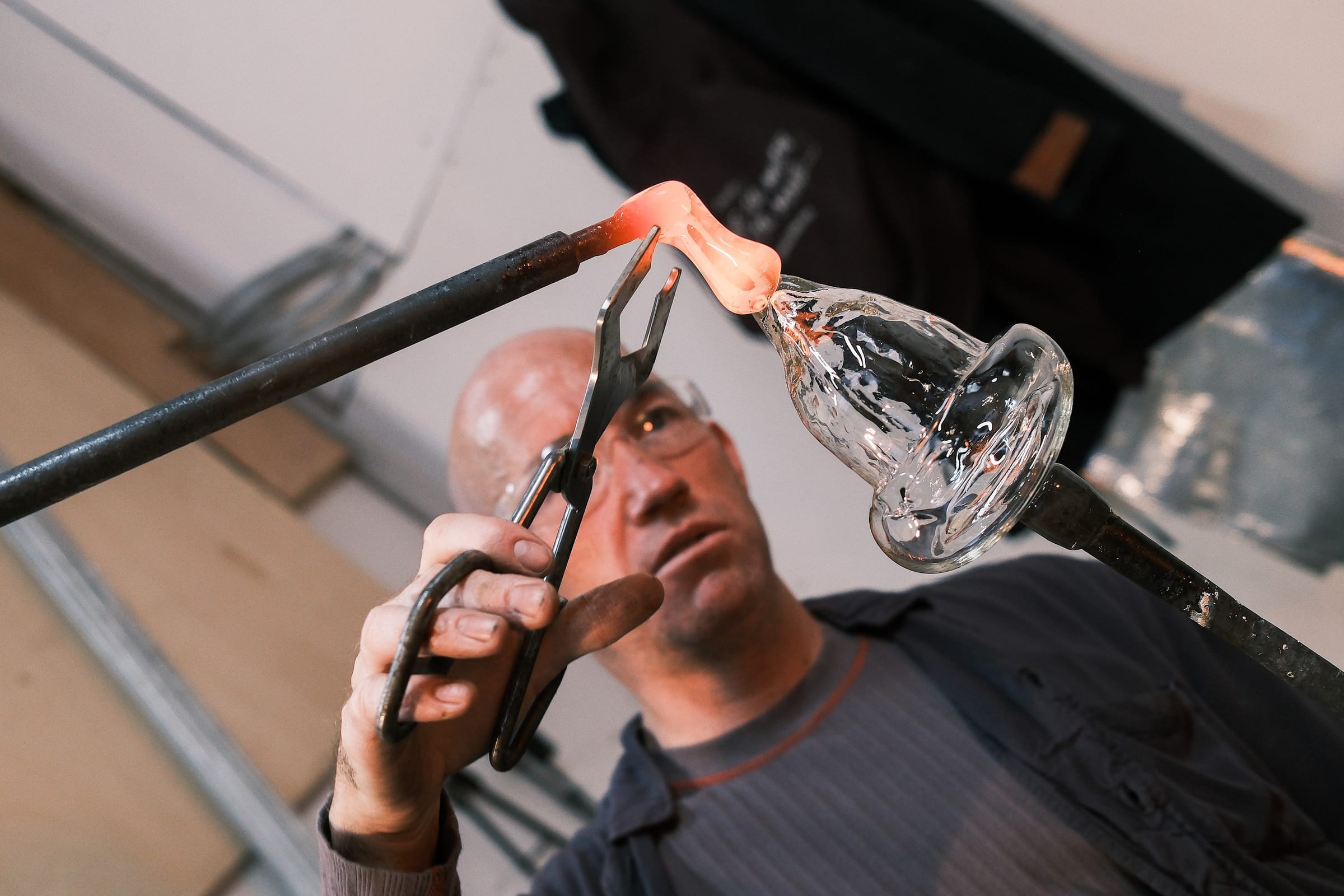
After 16 years blowing glass, Billy Crellin can make almost anything from a drawing. So at Studio Dokola he went back to the beginning: prototyping straight in the glass, the way you do when you're learning. What he finds there are mistakes, and he's come to value them.
"There are always amazing visual details in mistakes," he said, "and they're really hard to replicate." They usually come from several things going wrong at once, so he works backwards to understand them, until they can become part of the process.
David Booth: be okay looking stupid
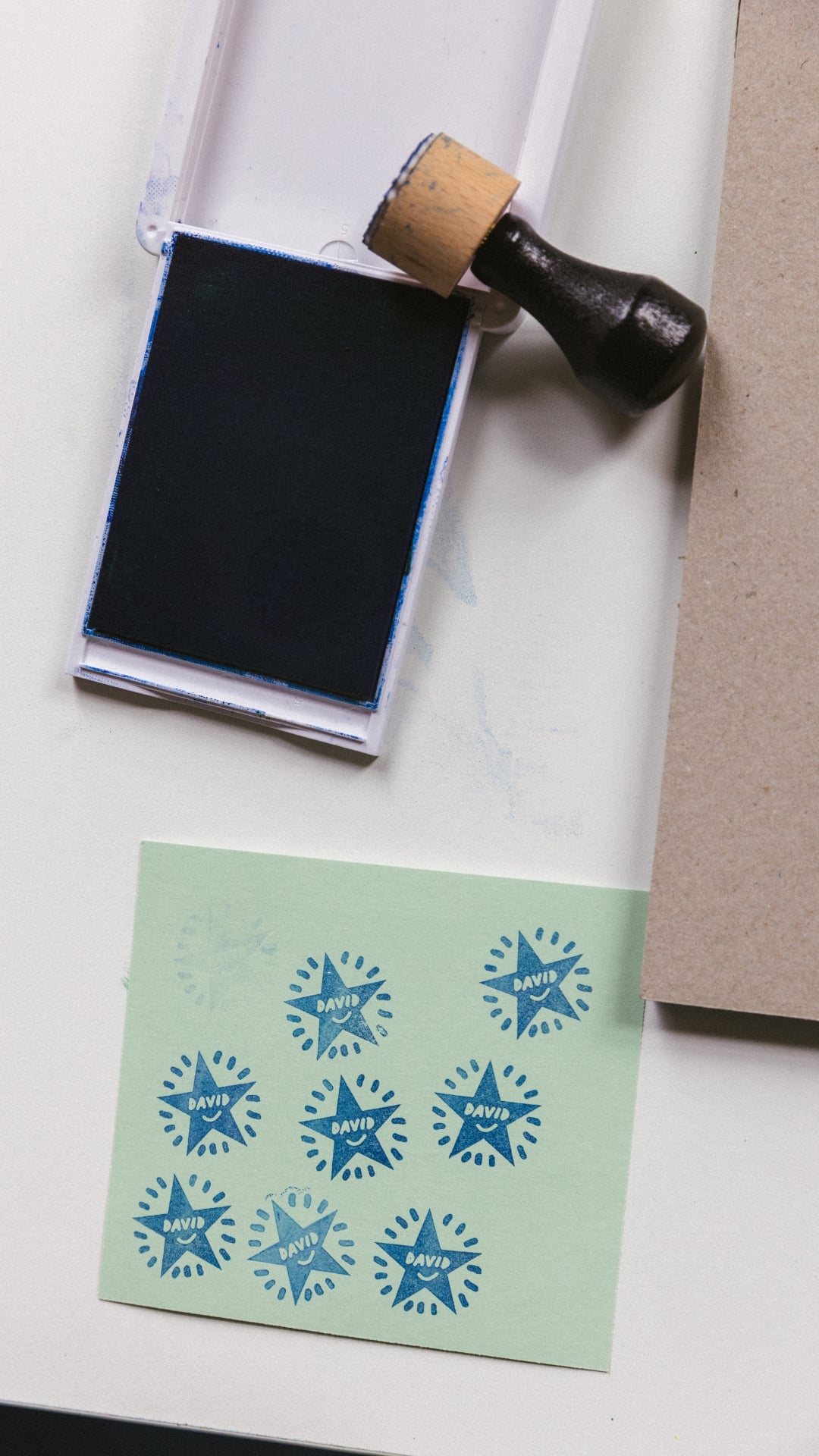
David Booth's work is in the National Gallery, and he never trained. He thinks people stop drawing because somewhere along the way they were made to feel silly. Nobody did that to him. "I'm okay looking stupid," he said. "I accept I'm a dork."
His newest work is made with stamps, quickly, and he loves it when they go wrong. "There's a lot of mistakes in this play," he said, "but the play is fast and rapid and silly."
Jakob Morley: use fun as the measure
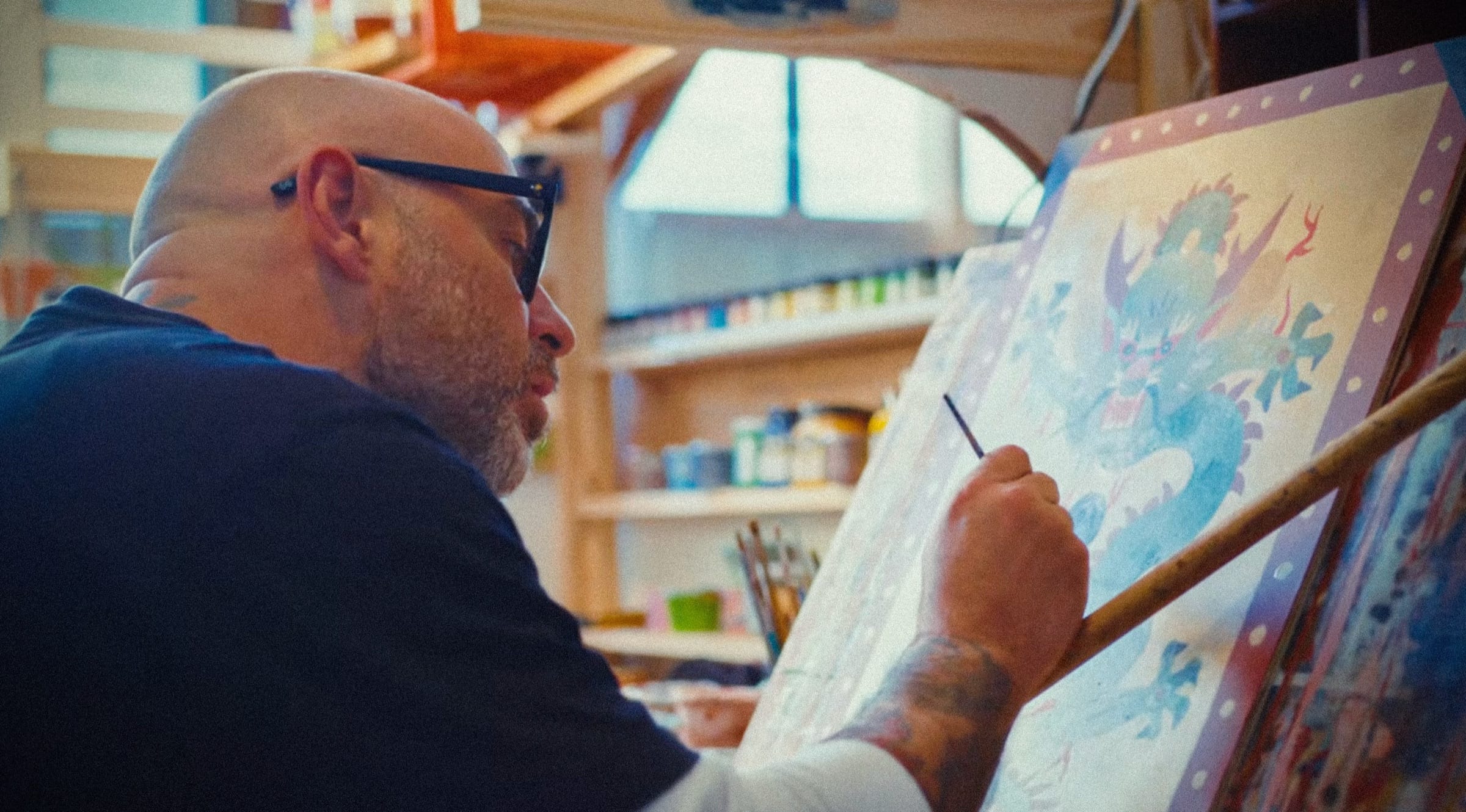
Painter Jakob Morley judges his work by one thing: was it fun? When it is, the piece seems to finish itself. "If I'm forcing it, it can look really stale, and there's something about it that's a bit dead."
"It's often the experiments," he said. "When I'm not trying to do something, that's when the good stuff happens." Becoming a dad didn't take his studio time either. "I think it just really chews up the time that you're wasting."
Gary Wong: strip it back
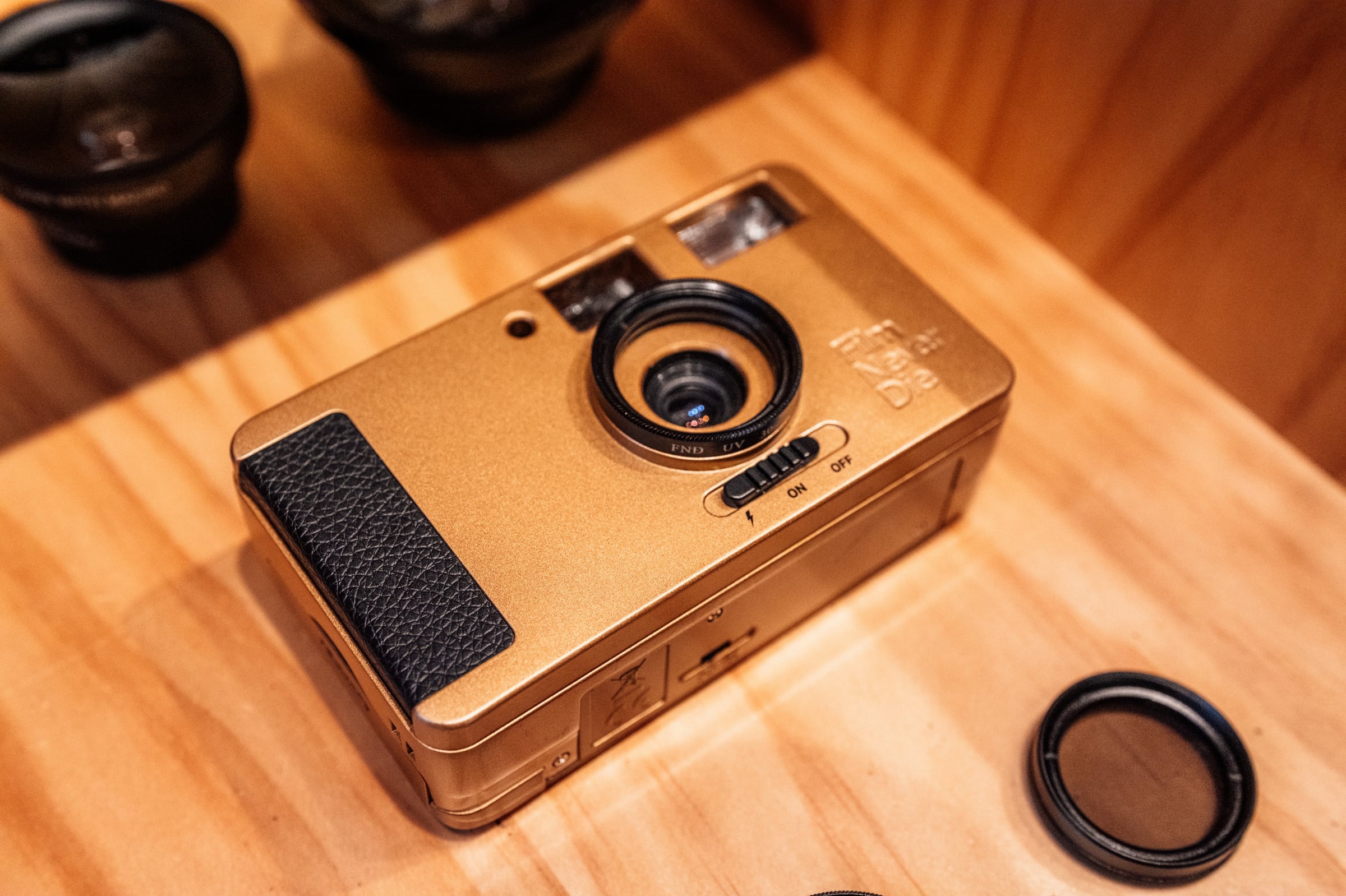
Gary Wong of Film Never Die thinks digital cameras have too many settings. Film cuts it back to five things: aperture, shutter speed and ISO, then composition and light. "Sometimes you just need the fun of shooting again."
He also likes not seeing the result straight away. "Sometimes it's good not to know, and just focus on the moment of taking the photo." And his first rule of gear: "The best camera is the one you have on you all the time."
Sam Wilkinson: name the fight between money and art
Sam Wilkinson, who makes work as On The Leans, never runs out of ideas. "I don't have fatigue about having ideas," he said. What wears on him is the business side. "I have this constant battle of money and art. That's what I have trouble with most."
What keeps him going is the room itself, and the hours in it. "When I'm making stuff, it's mostly the meditative process," he said. "Nobody's here. Got music on. I'm doing whatever I want."
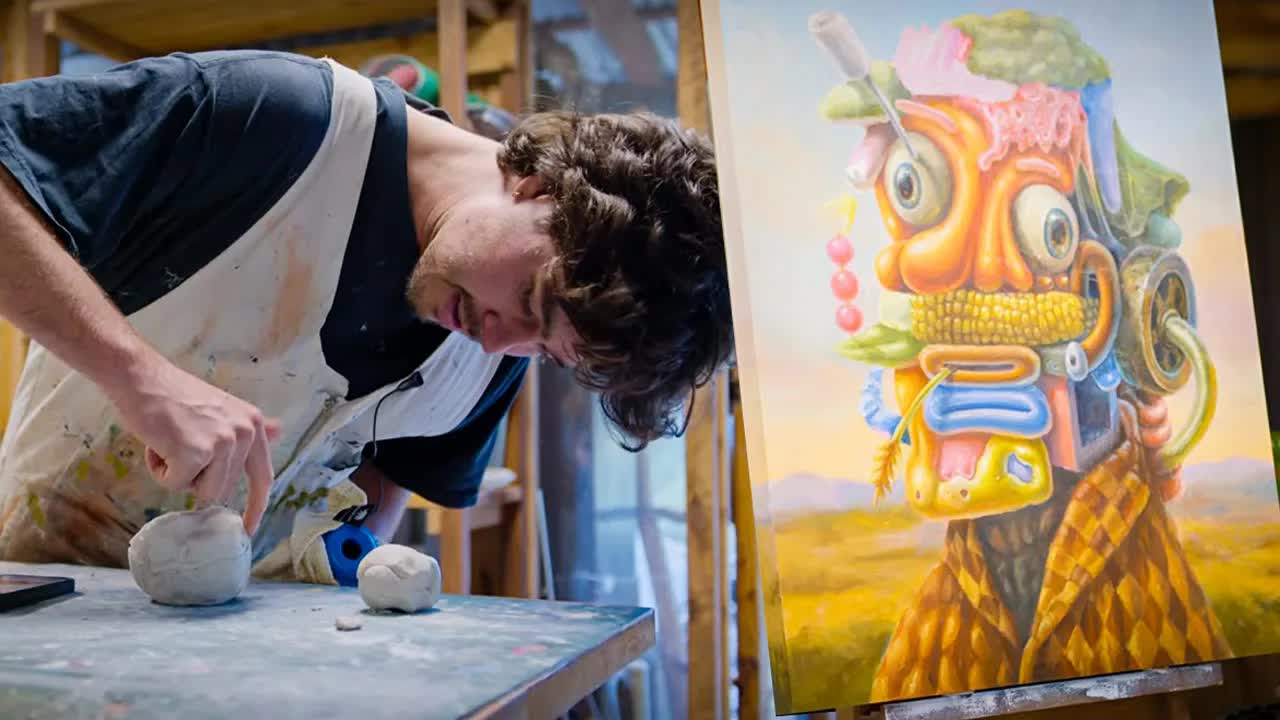
Anthony Stephens: make what you'd want on your own wall
Portrait painter Anthony Stephens makes the kind of painting he wants to see on his own walls, and he's plain about what it really is. "Essentially what I'm doing is flinging mud around," he said. "It's just mud and oil."
He isn't doing it for money. From where he sits, art is "a money pit". What he wants is for someone to feel what he felt. "If you communicate to them properly with your painting, somebody will be able to understand that feeling that you're having."
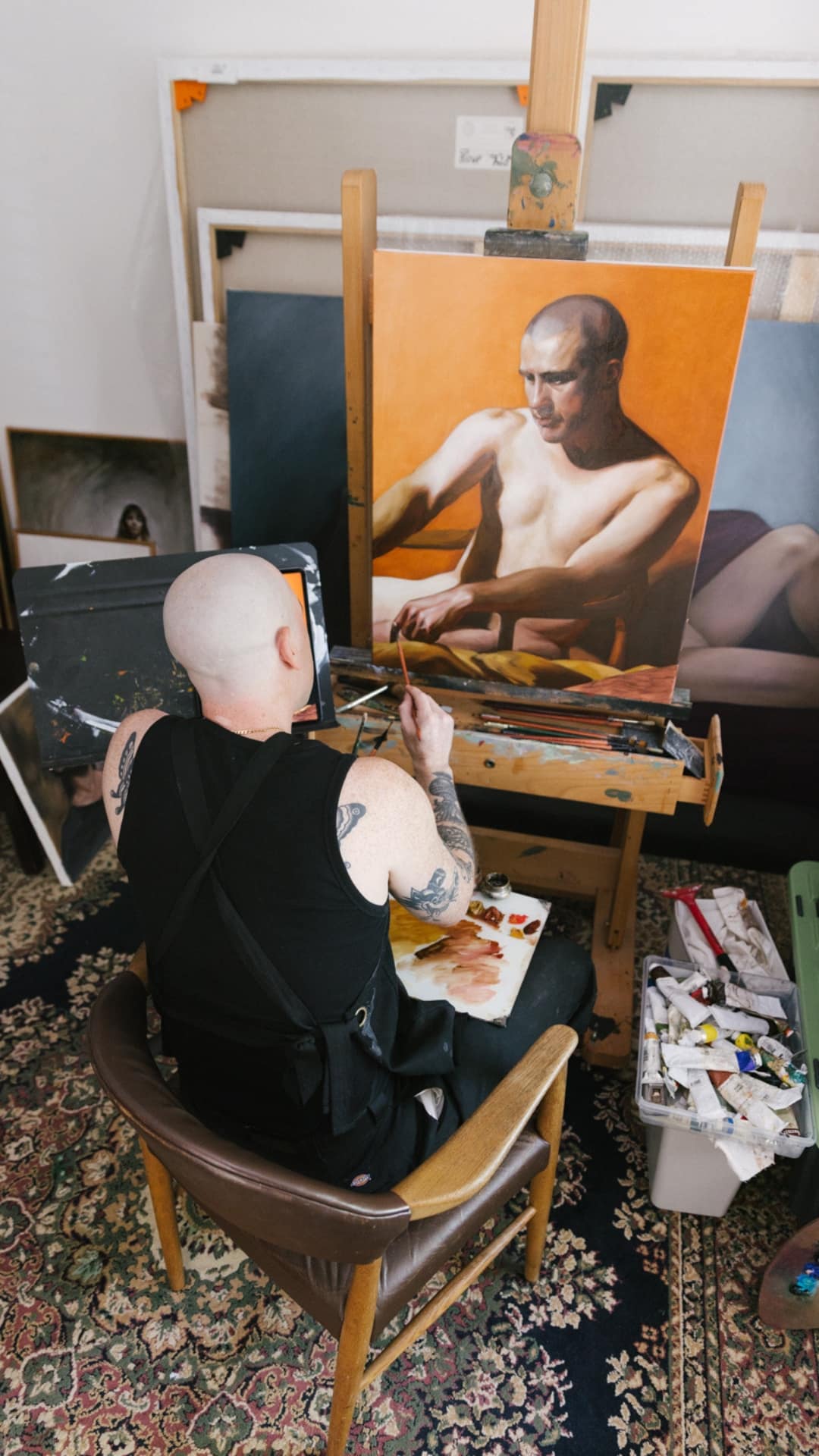
Chico Leong: the making can be the point
Collage artist Chico Leong won't dress up what his pieces mean. "The pieces themselves don't have a really deep meaning," he said. "It's more the feeling for me when I'm creating something. It calms me down. It helps with my anxiety."
He came to collage from graphic design, where clean vector work never felt right, so he started ripping things up. The rough edges were the point. "It's more meaningful for me creating these pieces than the meaning they have behind these pieces."
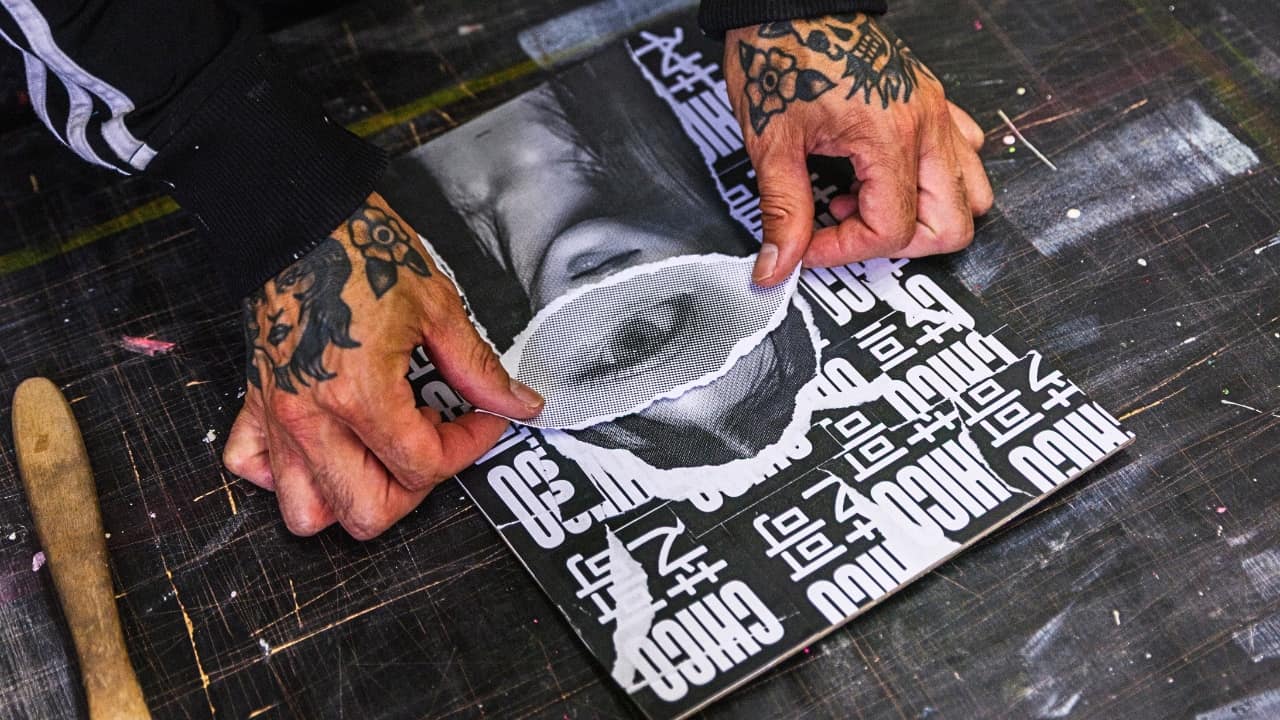
Do you like this?
Eighteen people, eighteen ways of working. Some plan everything, some plan nothing. Some chase perfect, some chase mistakes. What they share is that they keep turning up to the bench, the easel or the furnace, and they make the thing anyway.
Sam Octigan put it best. People talk about artists putting their soul into the work, and he thinks that makes it sound bigger than it is. "It's not that dramatic," he said. "It's more like, hey, this is what I like. That says something about who I am. Do you like this?"
Know a maker we should film next? Tell us.
Related
Inside a Professional Glassblowers Workshop
Sixteen years of glass, two years of his own studio.
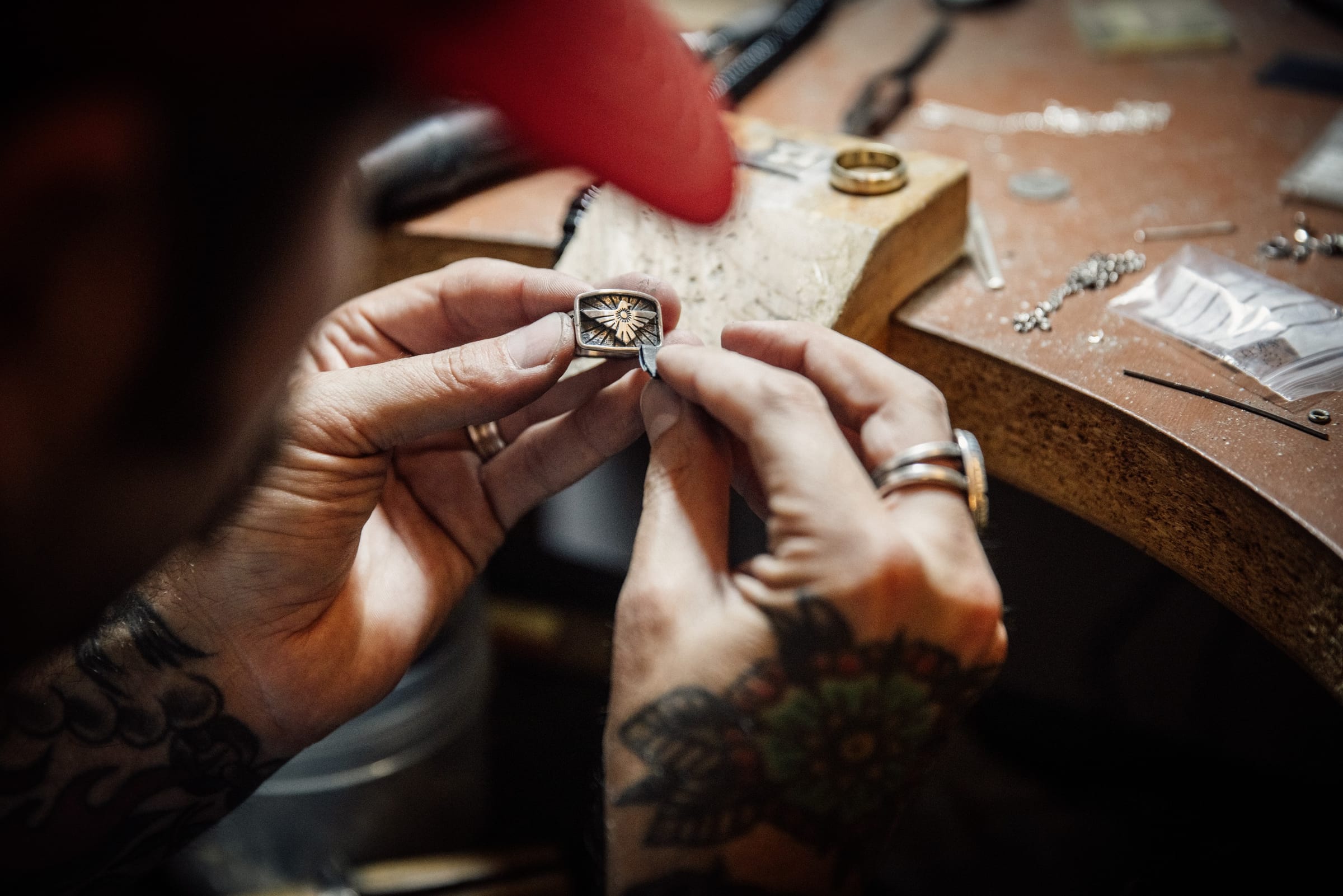
The Reality of Being a Handmade Jeweller in Melbourne
Silver, made slowly and properly, at a bench at home.
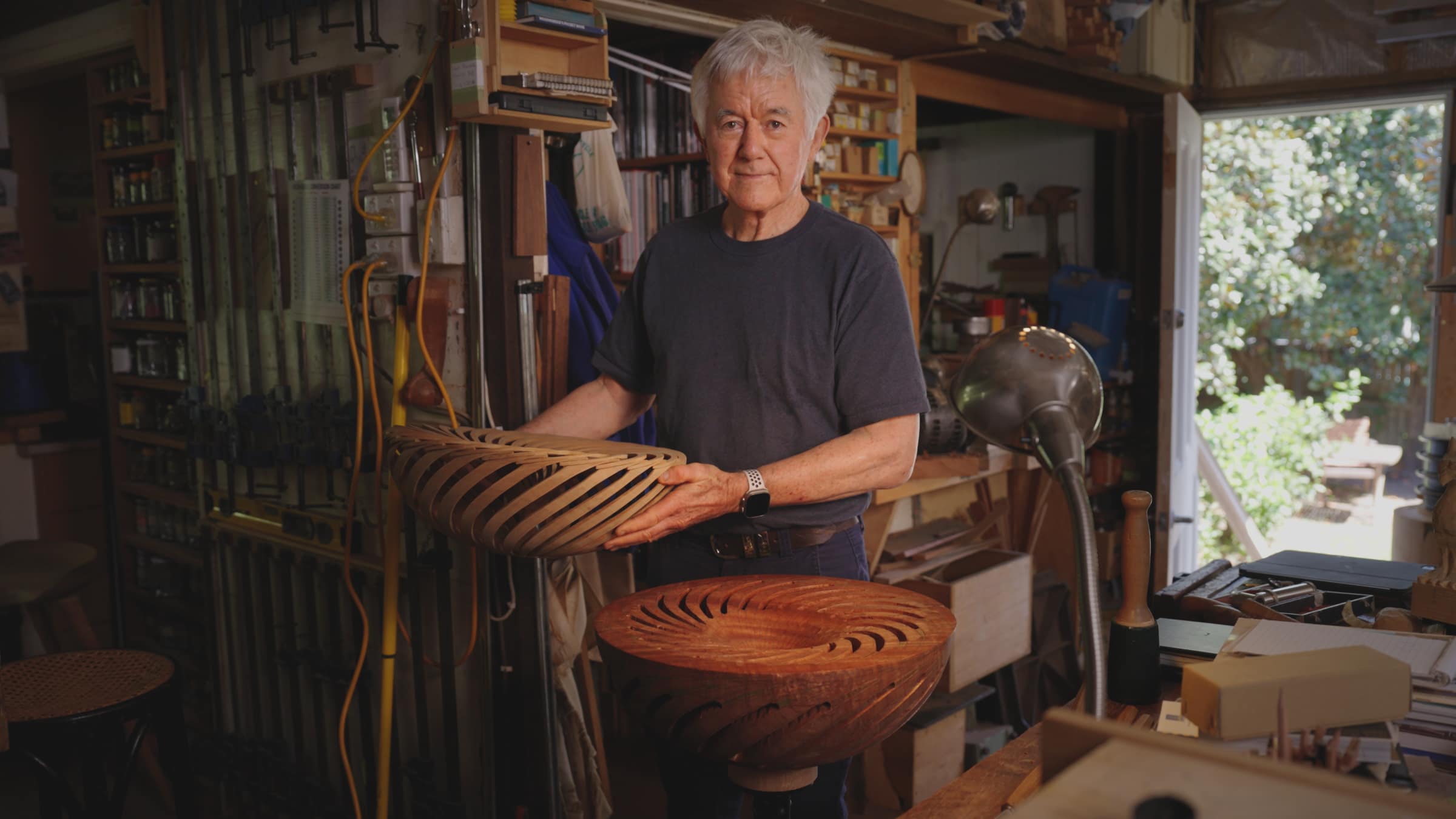
The Pursuit of Woodwork Perfection
Thirty chairs in, and never quite finished.
Inside the Studio of Painter Sam Octigan
A slow, steady visual language, and the small leap at the end.