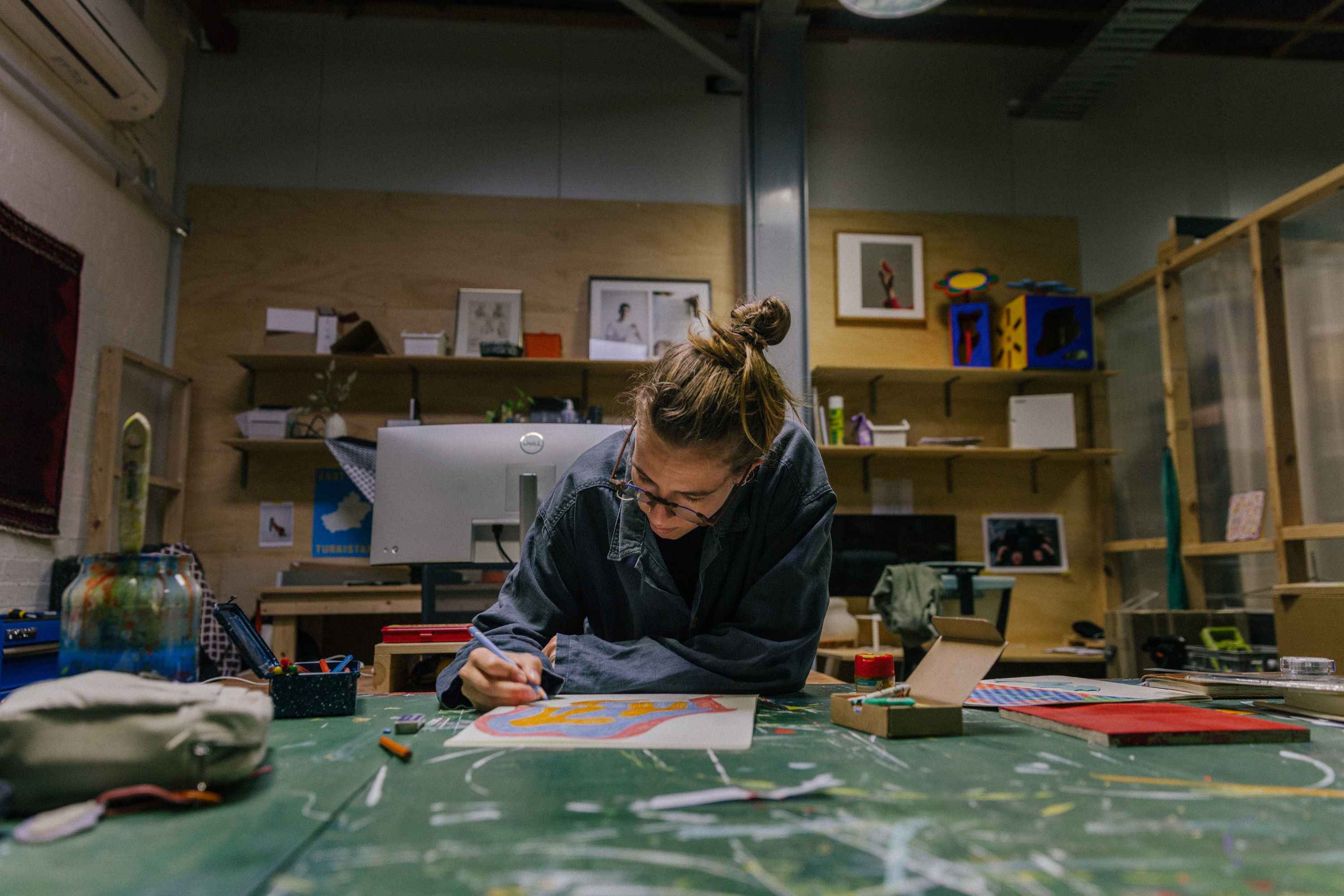
Inside the Studio of Public Artist Abbey Rich
Abbey Rich has been a clothing label, a tattooist and a muralist. Now they make public sculpture, including a 7.5 km trail through the town they grew up in.
“I don’t love galleries. If you don’t feel comfortable walking into that space in the first place, no one’s ever going to see the work.”
A few lives
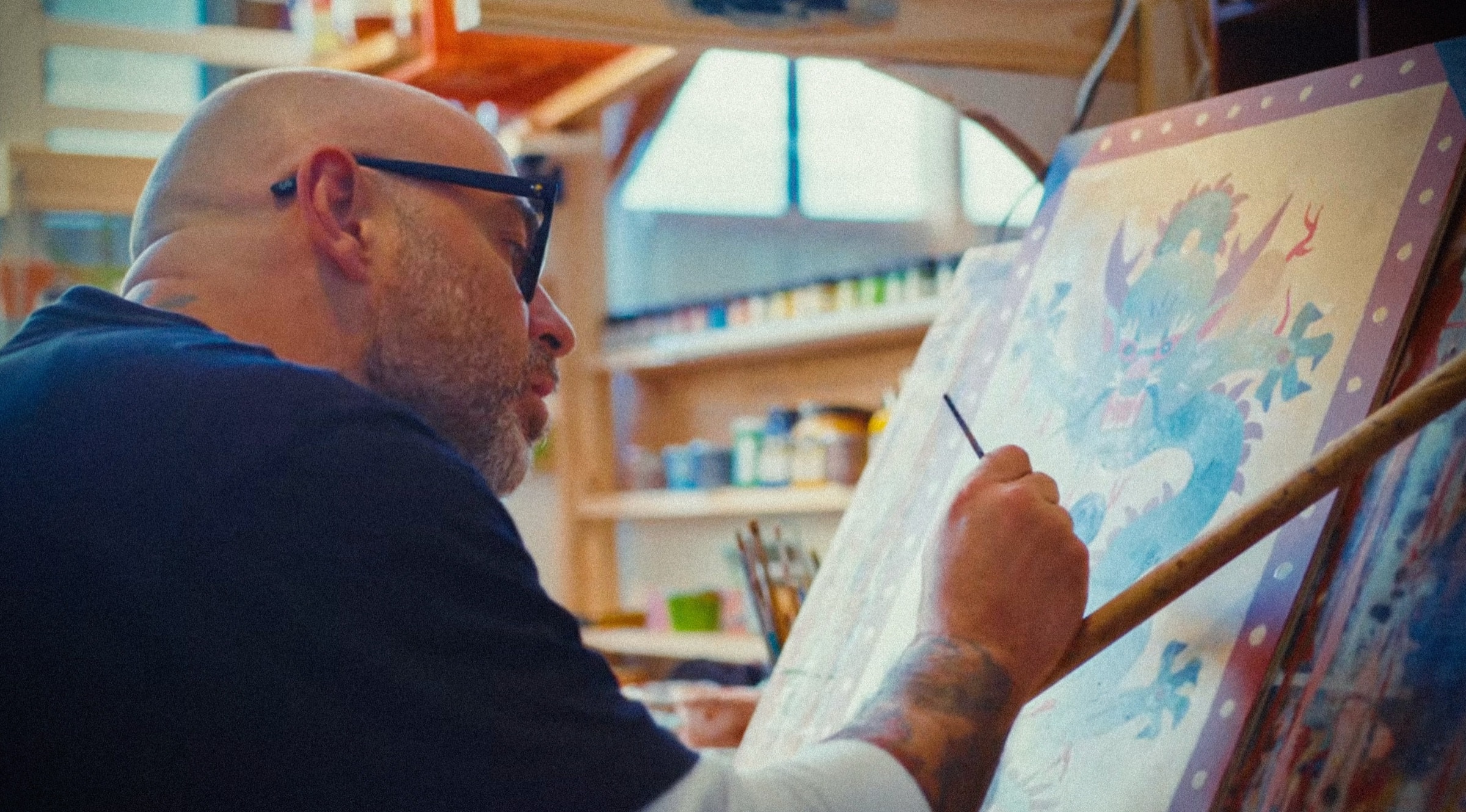
Abbey Rich has had a lot of careers for someone who has only been working professionally for about ten years. They started with a clothing label. Then came tattooing, then murals, and now sculpture. These days that includes painting train stations in Japan. “I’m a public artist now,” they told me. “That’s the thing I care the most about, just working in public space.” They still exhibit from time to time, but that matters to them less and less.
The way Abbey tells it, none of this was planned. As a teenager they didn’t like art at all. They didn’t grow up drawing heaps or feeling connected to a creative practice. Health issues meant dropping some classes at school, and in year 12 they took only three subjects: art subjects and English. “It just kind of was by accident that I fell into creative stuff.”
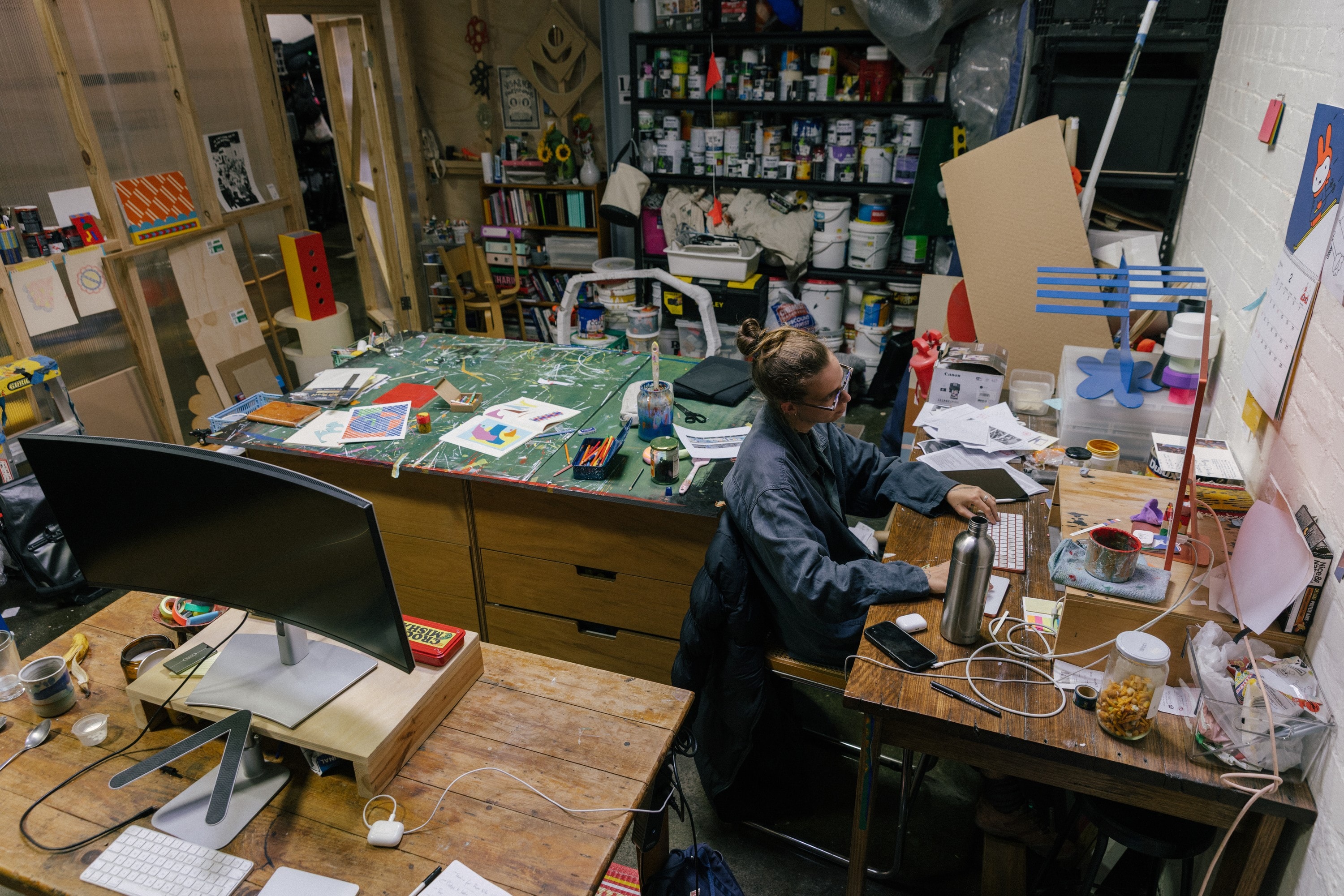
The first wall
Then someone asked Abbey to paint a mural. They had never painted before. They said yes anyway. The first one was a glasses store on Gertrude Street. “It took me forever and I was really slow,” they said, “but I really loved it.”
What stuck was the idea underneath it. “I realised, oh, I could just be using space that already exists to turn it into something else.”
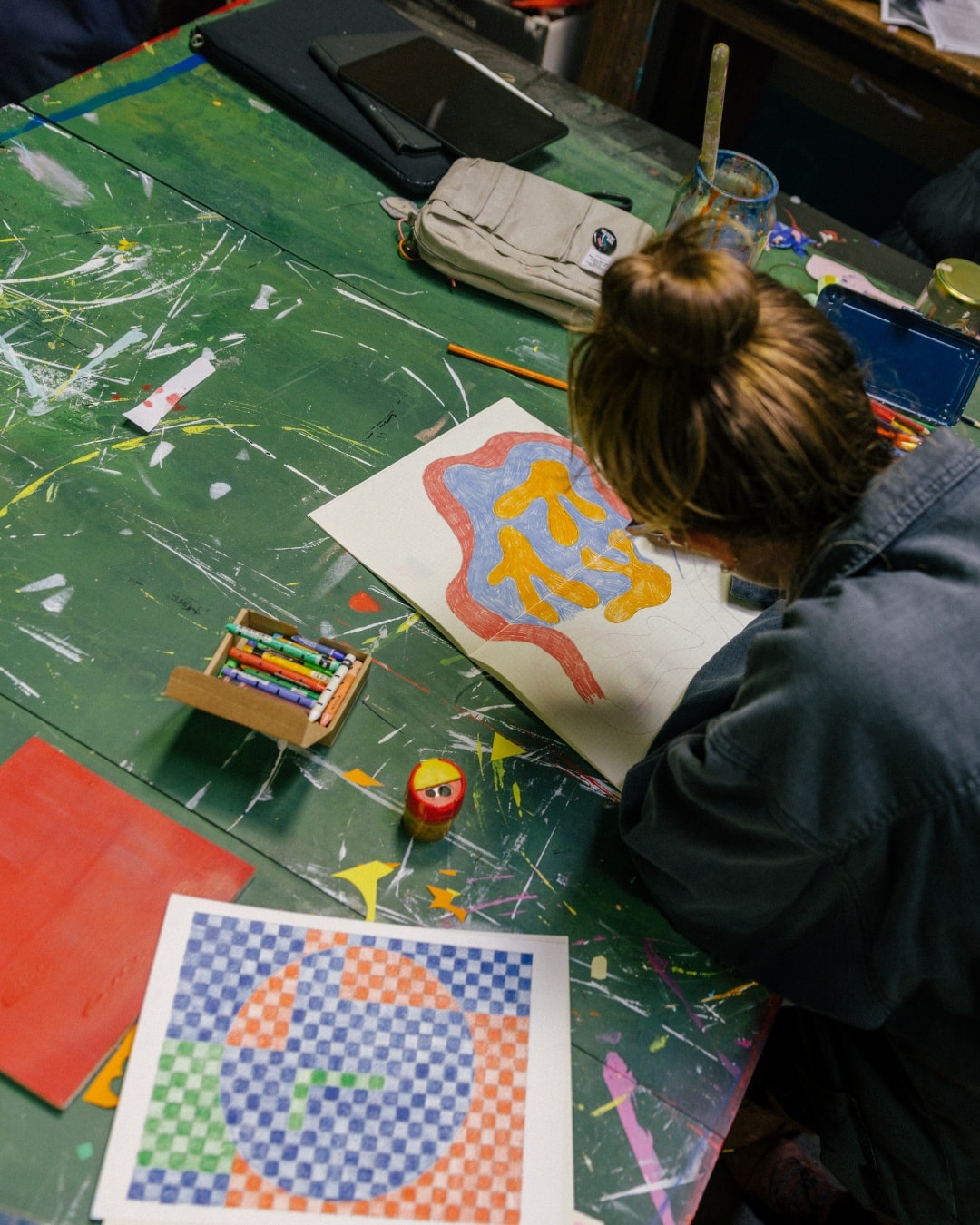
The wrong room
That is still the heart of it. Abbey doesn’t love galleries. There is elitism you can talk about breaking down, they said, but if people don’t feel comfortable walking in, nobody sees the work.
Public space works the other way. Everyone sees it, which means some people will hate what you’ve made. Abbey thinks that’s brilliant. “Everyone can have an opinion on art when it is right in front of you, when it is in a space where you’re all engaging with it.”
“We’re living in a world that feels so cold.”
In defence of colour
Abbey’s work is loud with colour, and they know how that can be read. Everything was grey for so long, they said, all the new design in beiges and greys. Add colour and it gets called too juvenile, not serious enough, not design enough.
They find that bizarre. It assumes the only way something can be enjoyed is if it’s complex, or hard for the average person to understand. And they admit it can feel a little silly to say you’re making something really fun when the world is so fraught. “But actually it’s really important,” they said. “It’s really important that we create spaces that are really accessible for all people, and allow us to be in community with each other instead of hostile towards each other.”
Seven and a half kilometres
Right now Abbey is working on an entire sculpture trail, seven and a half kilometres long, with maybe eight sites along the way. Abbey showed me the soft fall design that will sit beneath big concrete seats, seats that are also playable. It is work that sits somewhere between art, furniture and playground equipment.
The trail runs through Abbey’s hometown, the place they grew up. “All of these places and all of these objects and all of the things that I’m designing are really personal, and super familiar to me,” they said. “I know these spaces. That’s a really cool thing I can bring to this work that I’m not able to bring to other projects.”
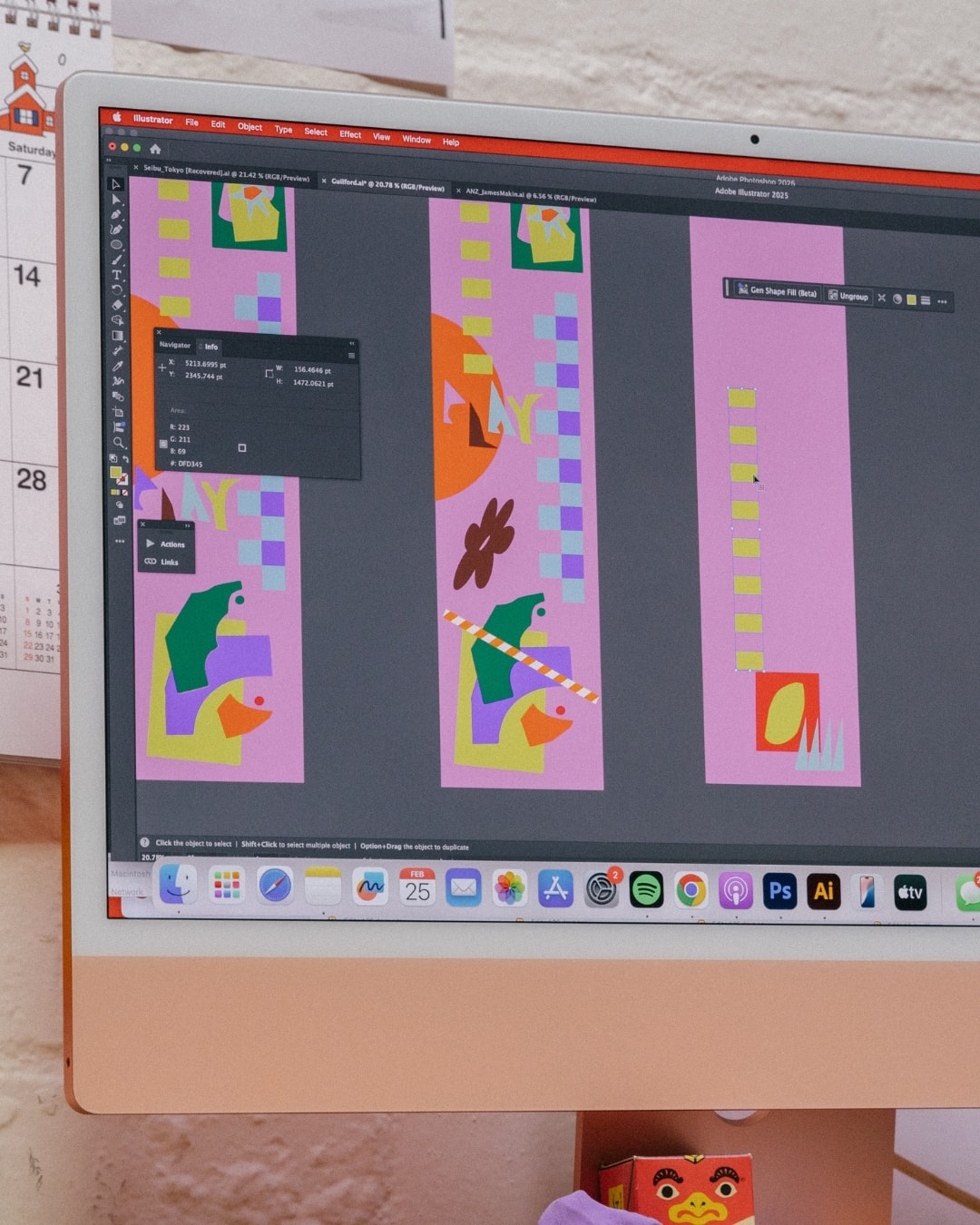
Designing for each other
Underneath it all, Abbey wants people to feel like connecting with other people. They pointed to how design has taught us to drive the car straight into the garage, to have a backyard instead of a front yard, or no yard at all. To not engage with our neighbours. To be isolated, on our phones.
“I’m trying to just do the opposite thing,” they said. In public, they want it to feel natural to sit on a sculpture they’ve made and talk to the person next to you. Work that makes you feel a bit happier, a bit more open, and so maybe more likely to talk to someone else.
“If I can be a part of creating infrastructure that maybe for a few people feels a little bit better for a little while.”
Something pretty
Abbey is honest that art can feel silly. Every day they turn up to make something pretty. What makes it feel worthwhile is the connection it creates. “Oh yeah, no, that is what I’m trying to do,” they said, and it does feel valuable. It might seem silly, but if a few people feel a little better for a little while, that is enough.
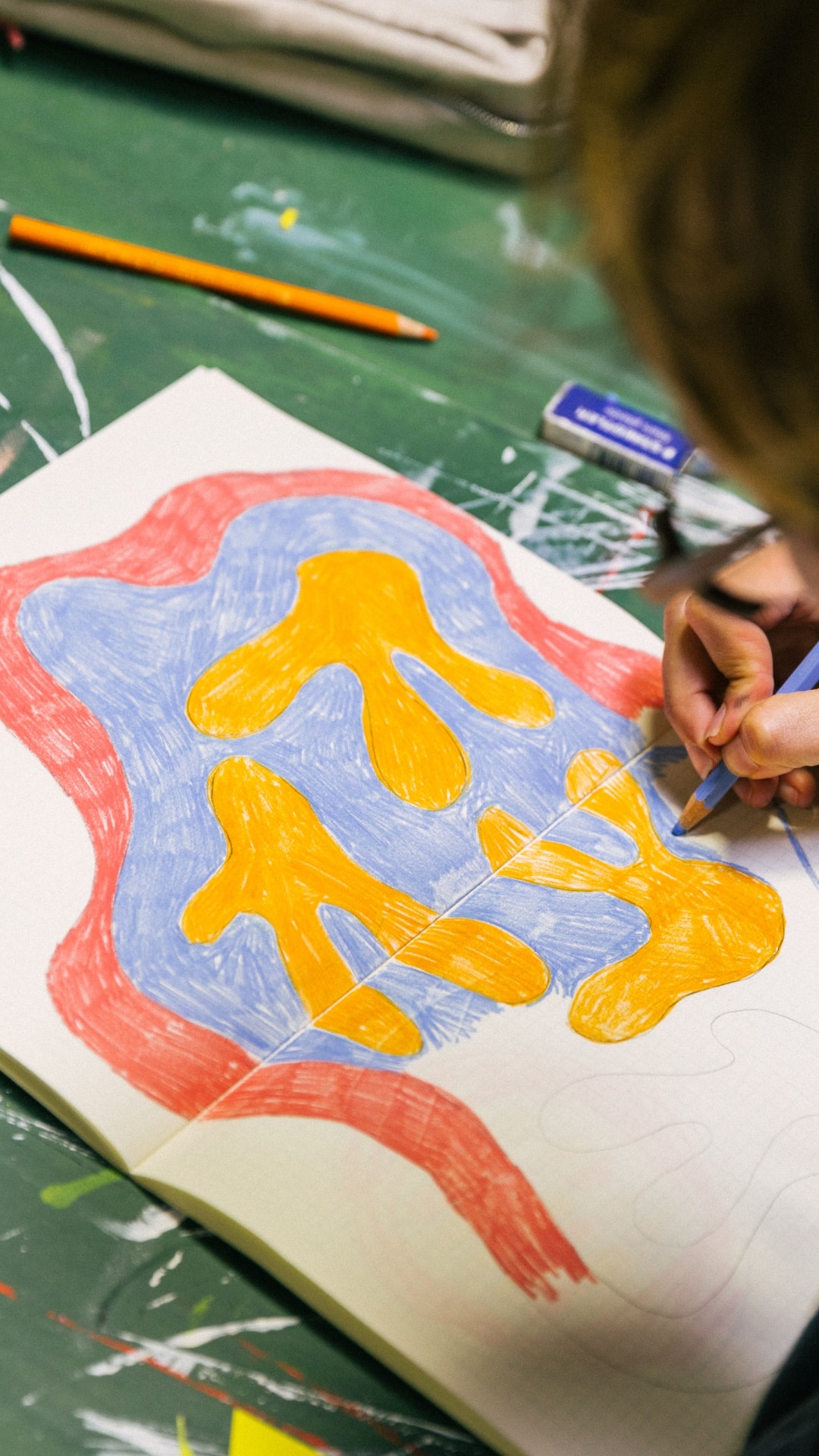
From the shoot
Related
Artist Studio Visit: Melissa Grisancich
People, places, nostalgia, and the ugly stage in between.
The Collage Artist Who Nearly Died at 36
Ripped paper, cut letters and a second chance.
He Never Trained As An Artist. Now He's In The National Gallery.
Drawing as magic, play as a practice.
Why I Left Tattooing to Pursue My Passion for Painting
From the tattoo chair to the painting bench, chasing the fun.