Matías Costa's first ukulele was awful. He kept it.
Matías Costa is a musician and luthier in Tarragona, Spain. He's built a guitalele for Jorge Drexler, a rosette from pencil shavings and a guitar for his son. We asked him why he still keeps the cigar box ukulele he got wrong.
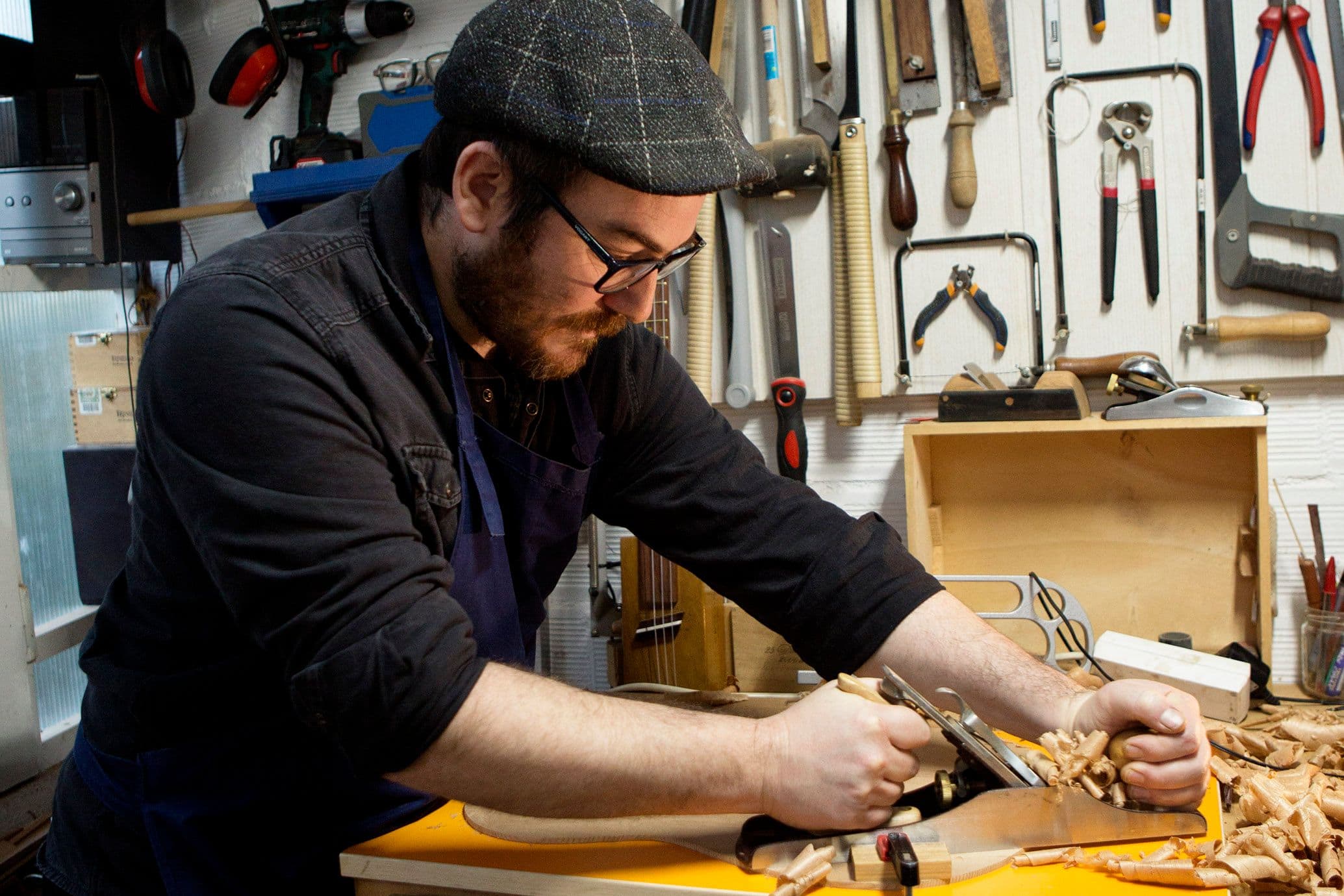
Matías Costa's first instrument was a ukulele made out of a cigar box. "It turned out awful, haha!" he says. He still has it.
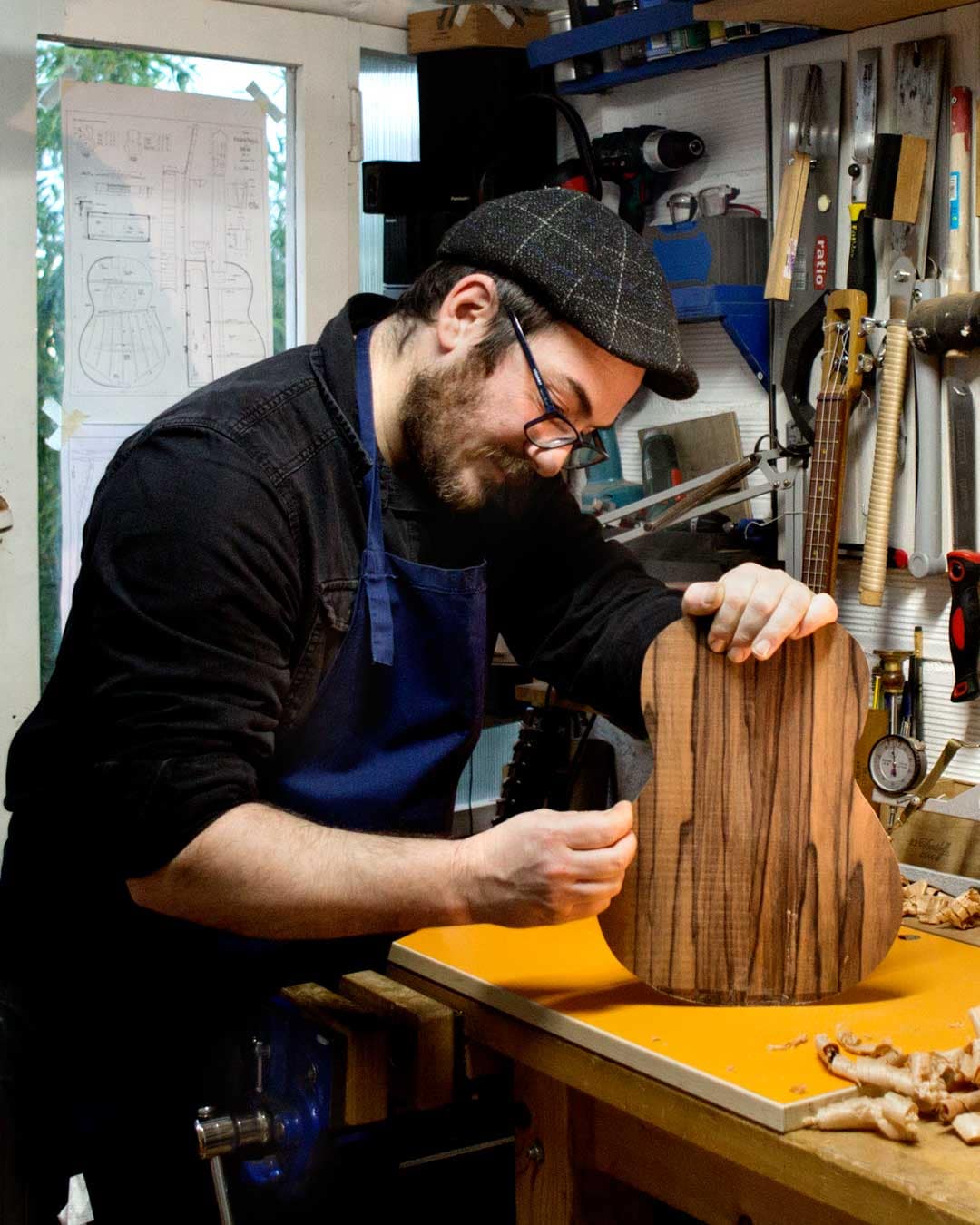
He builds guitars, guitaleles and ukuleles in Tarragona, Spain, and teaches other people to do the same. Originally from Argentina, he started out as a musician, and he still plays his own guitars at his concerts. He has built a guitalele for Jorge Drexler, and made a rosette out of pencil shavings.
He answered our questions by email. Here he is in his own words.
Basic things that didn't resemble a guitar
The music came first. "I started out studying music and have been playing guitar since I was very young," Matías says. "I was always intrigued by how an instrument like that was made, but I found it somewhat intimidating."
So he started small. "As I grew a bit older, I started building very basic things that didn't even resemble a guitar. Still, I enjoyed it, as I've always liked working with my hands."
“Eventually, I couldn't stop, and I began studying the craft of lutherie more seriously.”
The cigar box
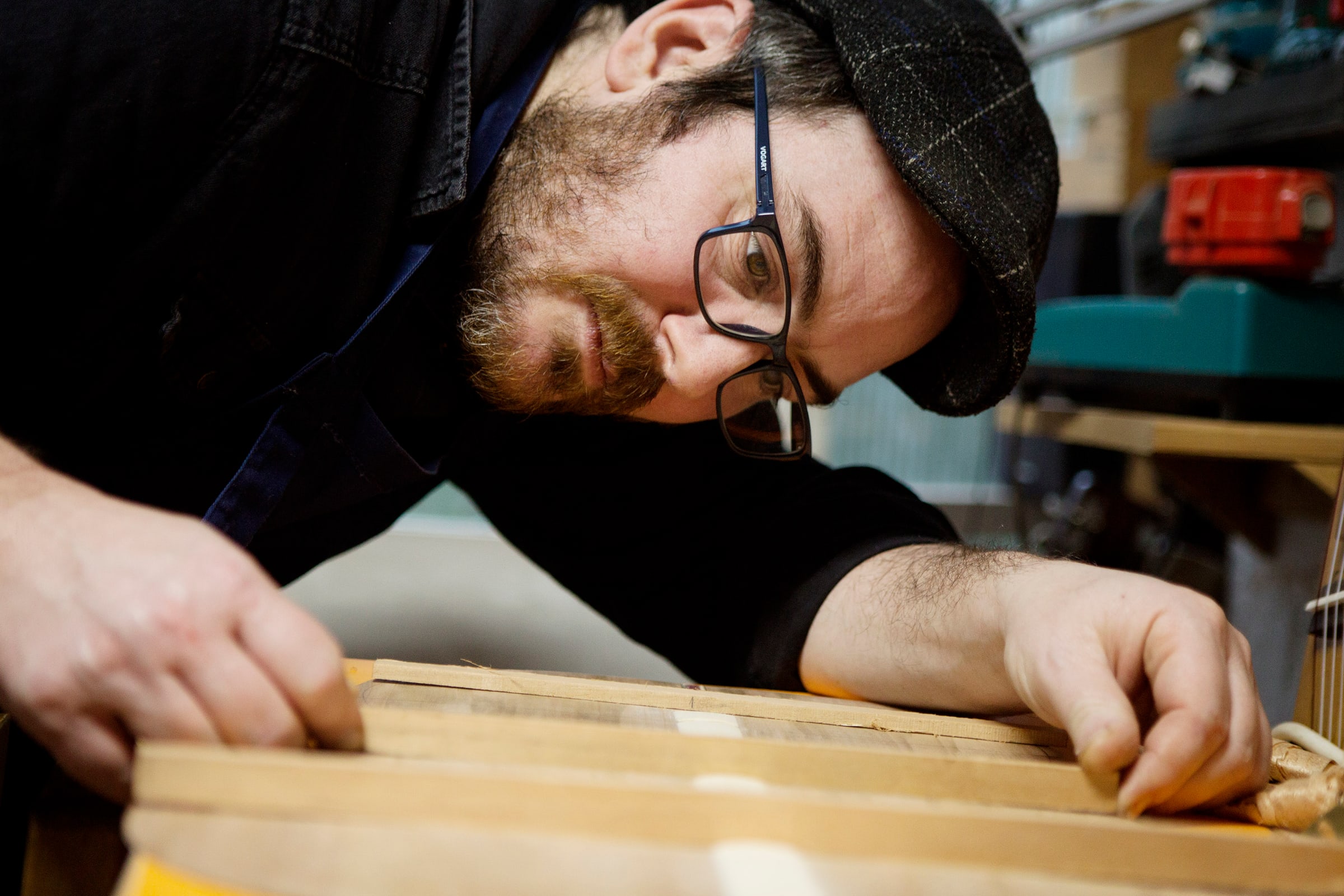
He remembers the moment that first ukulele came together. "I remember the excitement I felt when I put the strings on. I couldn't believe I had actually made it."
The rest came later. "Over time, I realized all the mistakes I had made, which were quite a few."
“I still keep it to remember where I started and how not to do things, haha.”
Afraid of getting bored
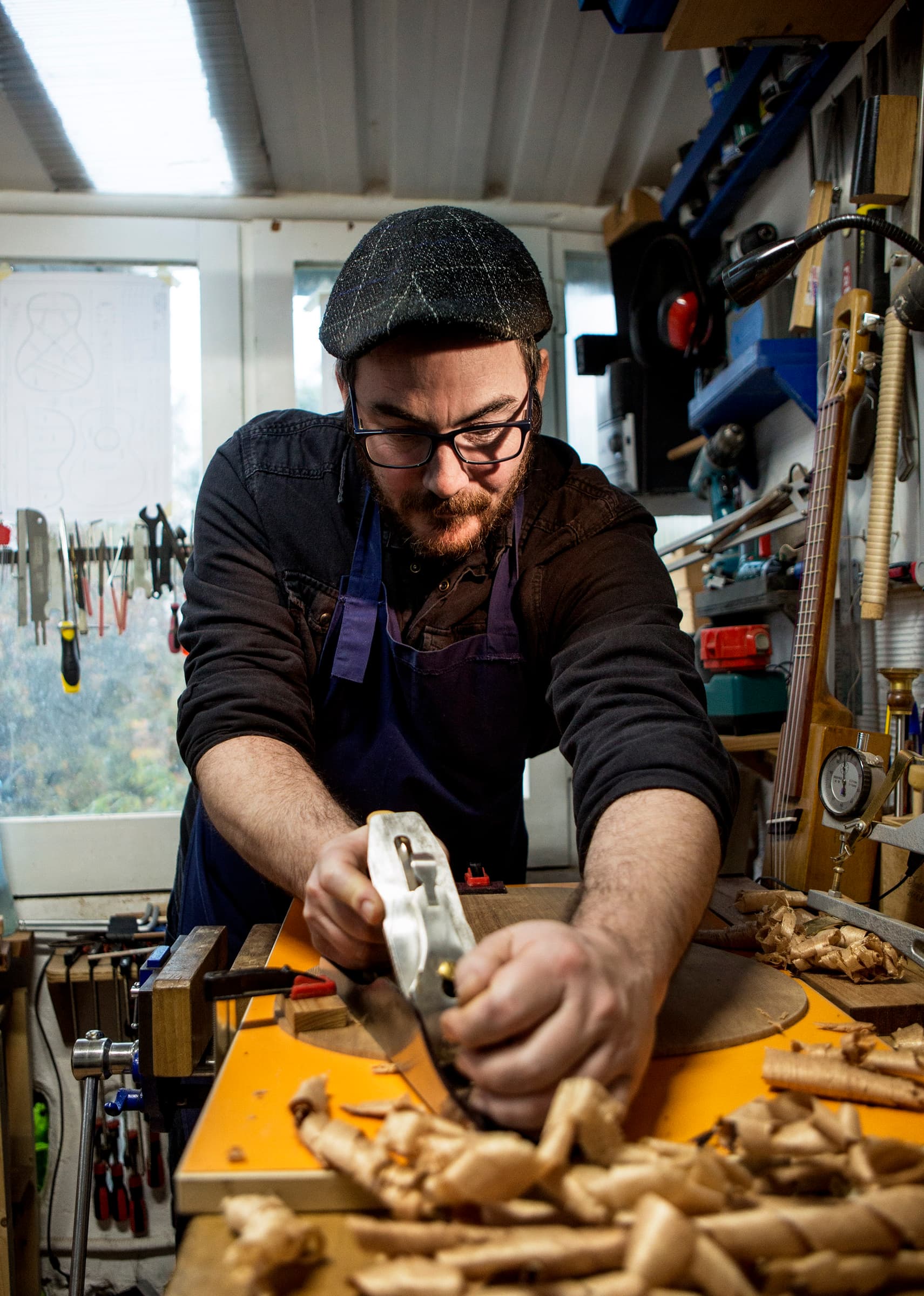
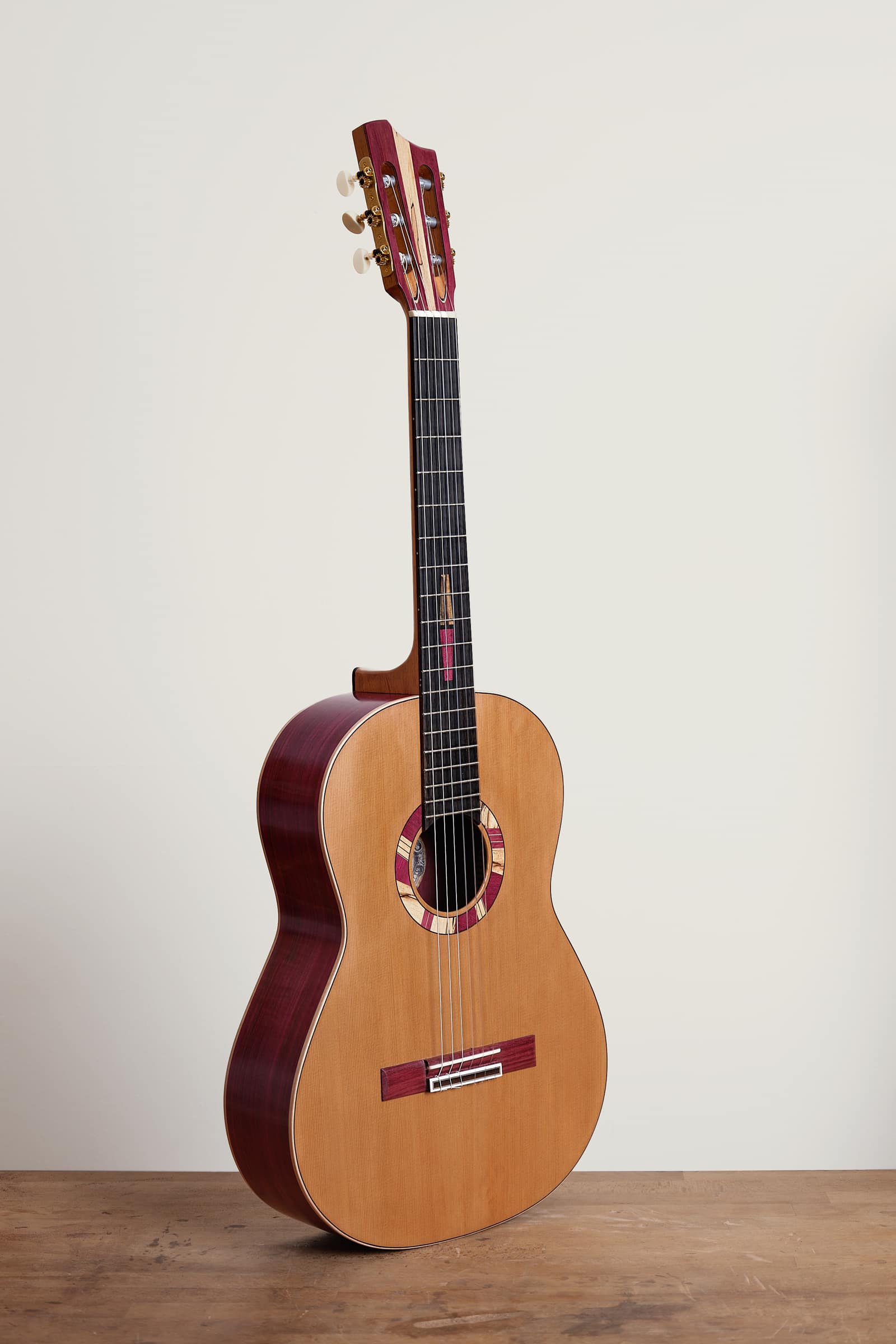
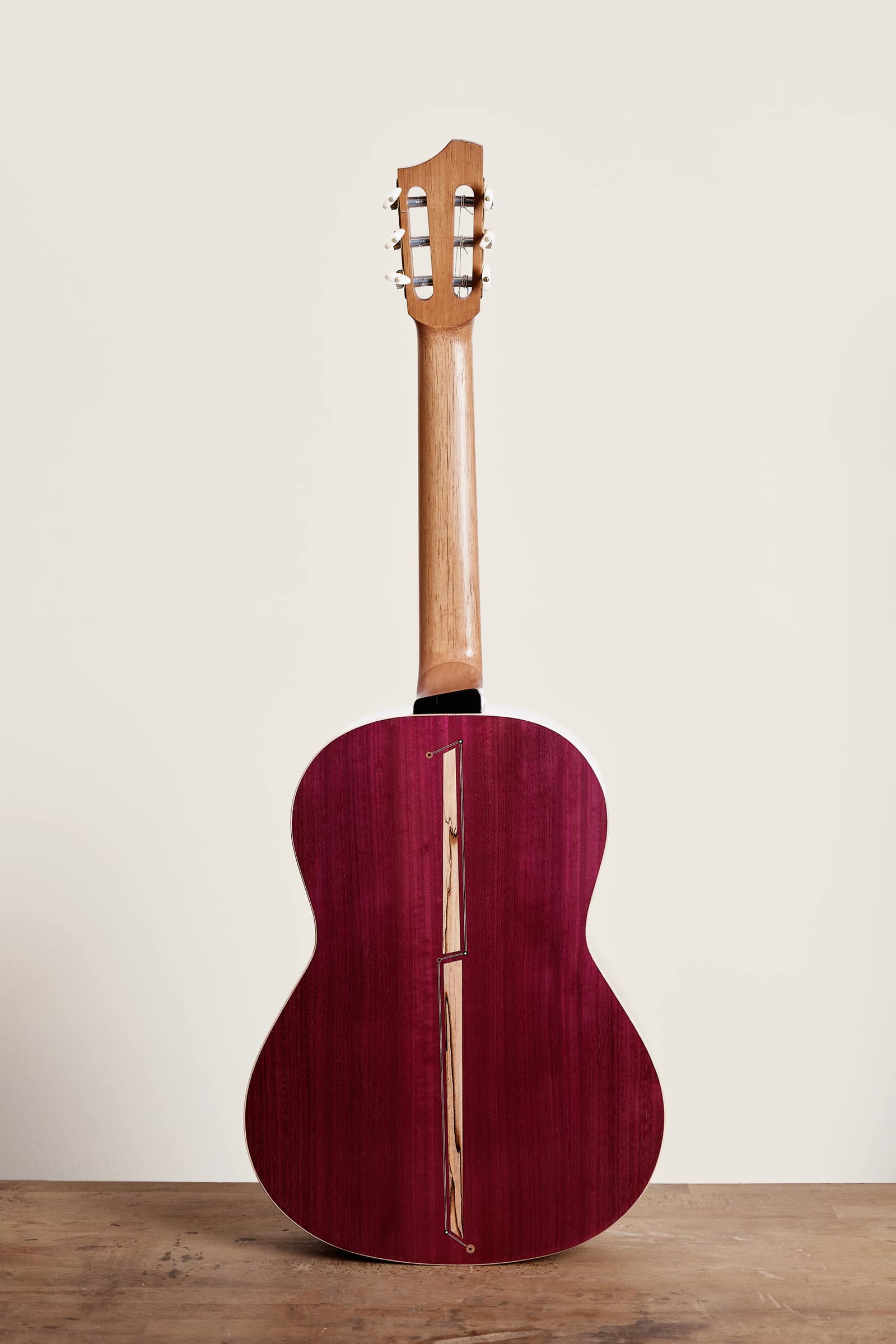
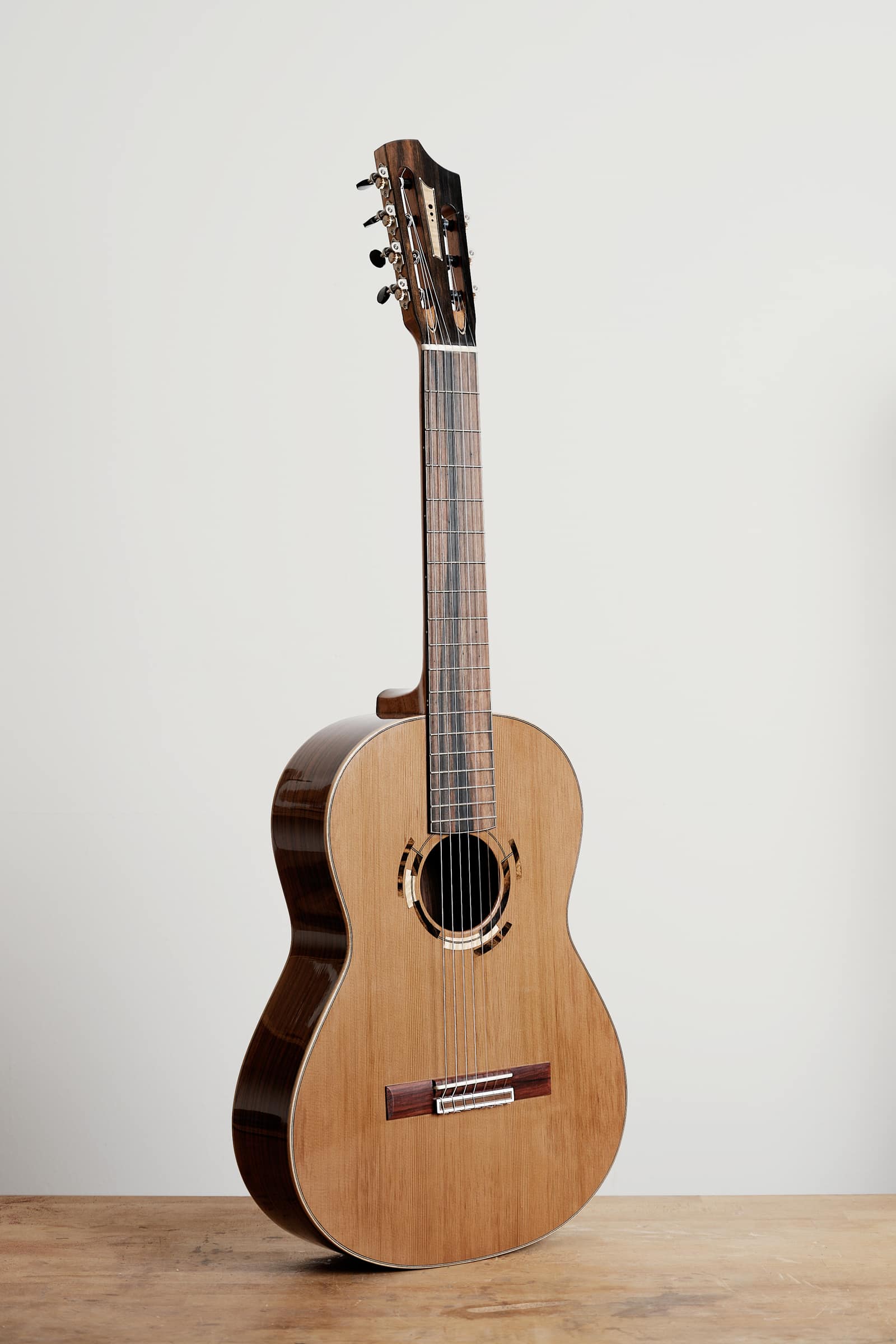
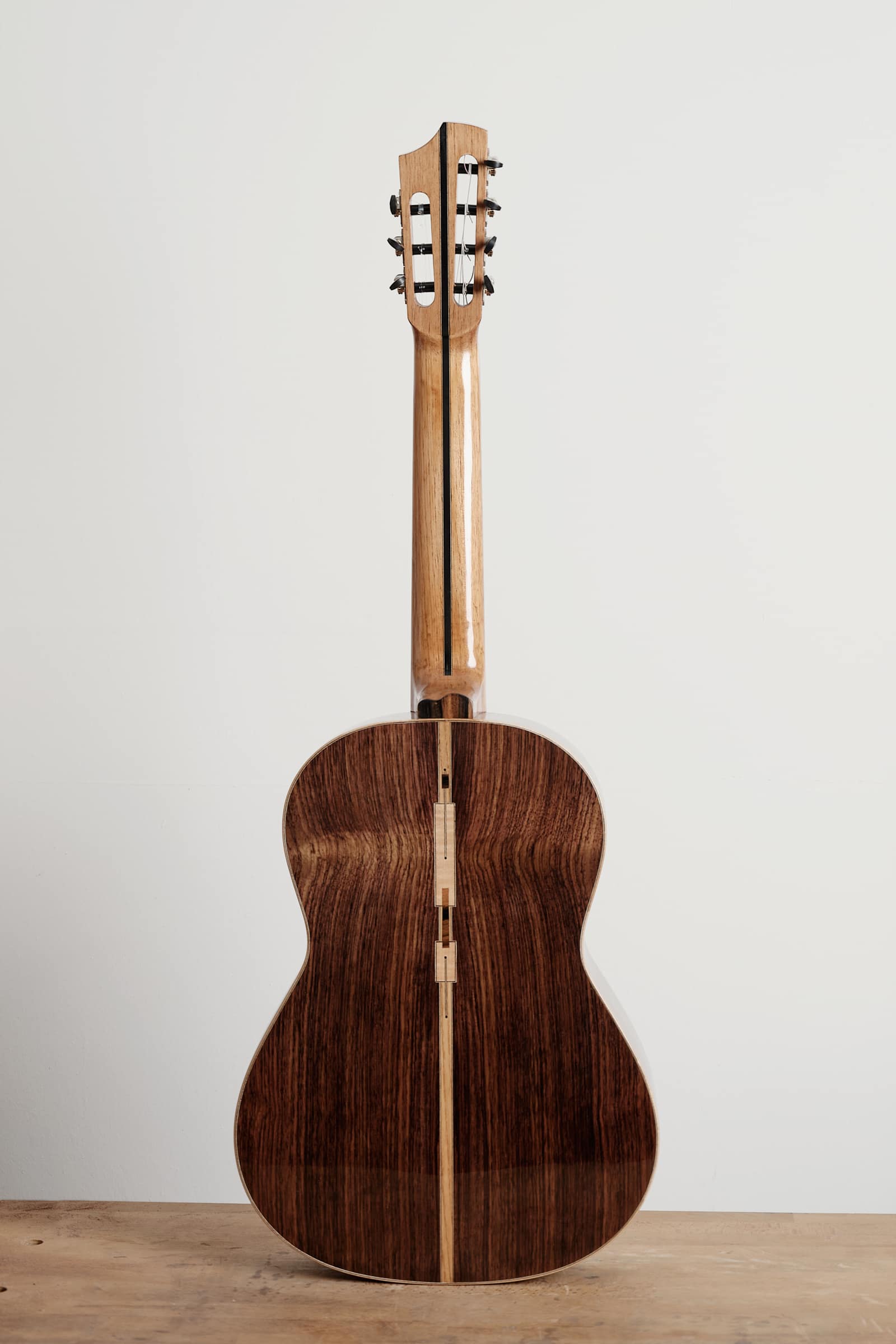
Matías makes guitars, guitaleles, ukuleles, a fretless guitar and even a cocolele. He doesn't have a favourite. "I like switching things up, even though they share similar structural foundations with a few key differences," he says.
"I don't think I could spend my whole life making just one instrument, mostly out of fear of getting bored. I enjoy discovering different construction methods, as I believe every build helps refine your technique for the next one."
Pencil shavings
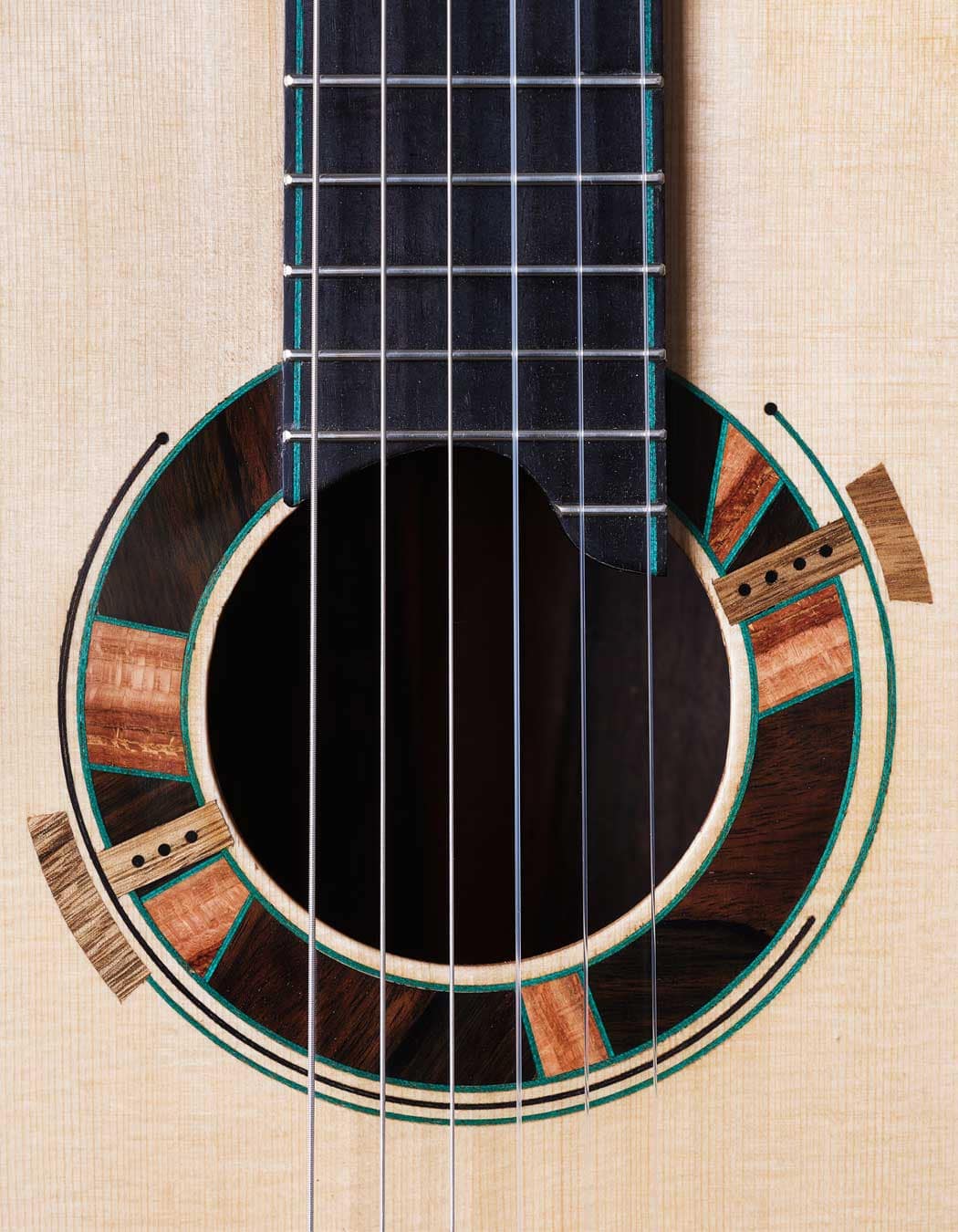
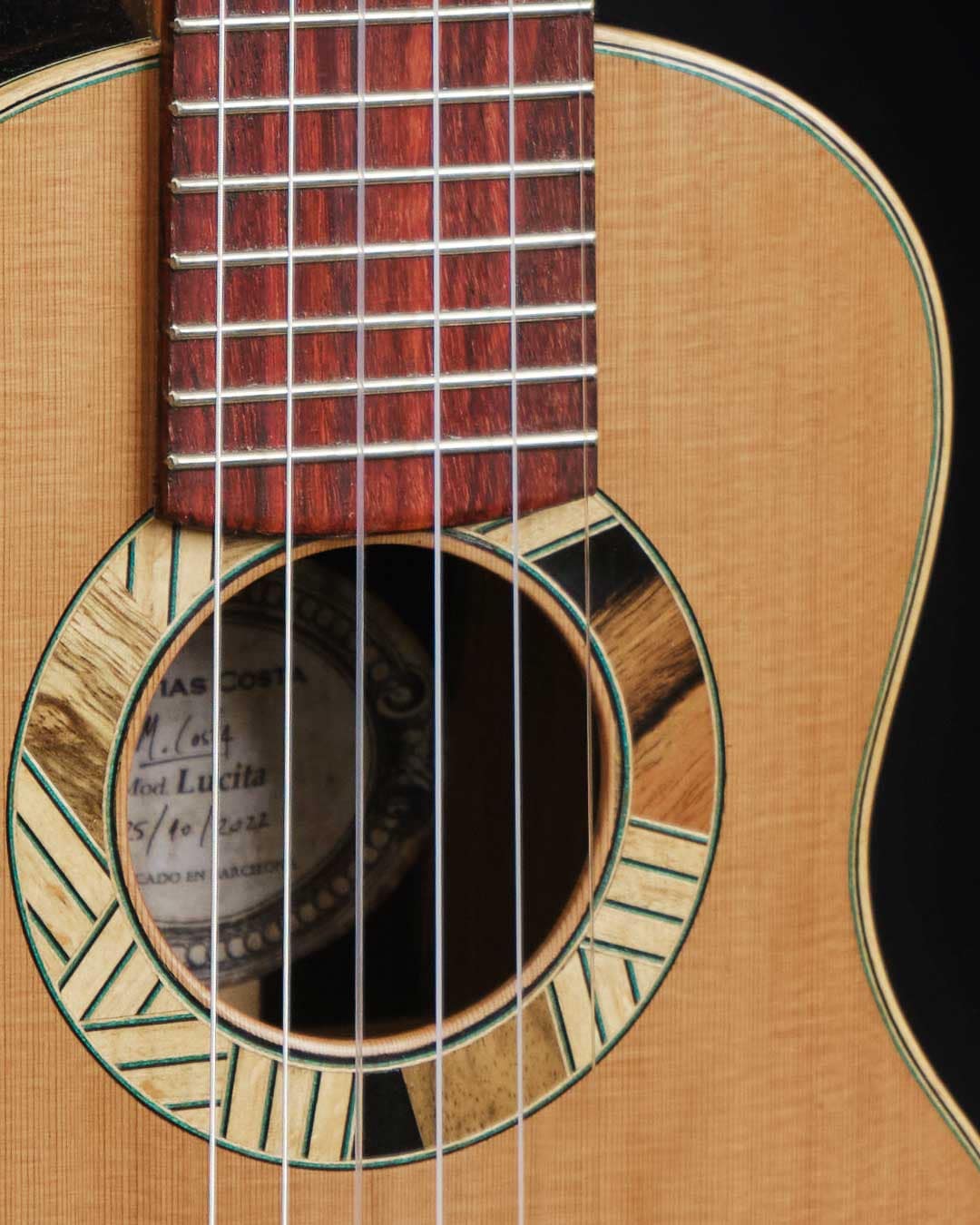
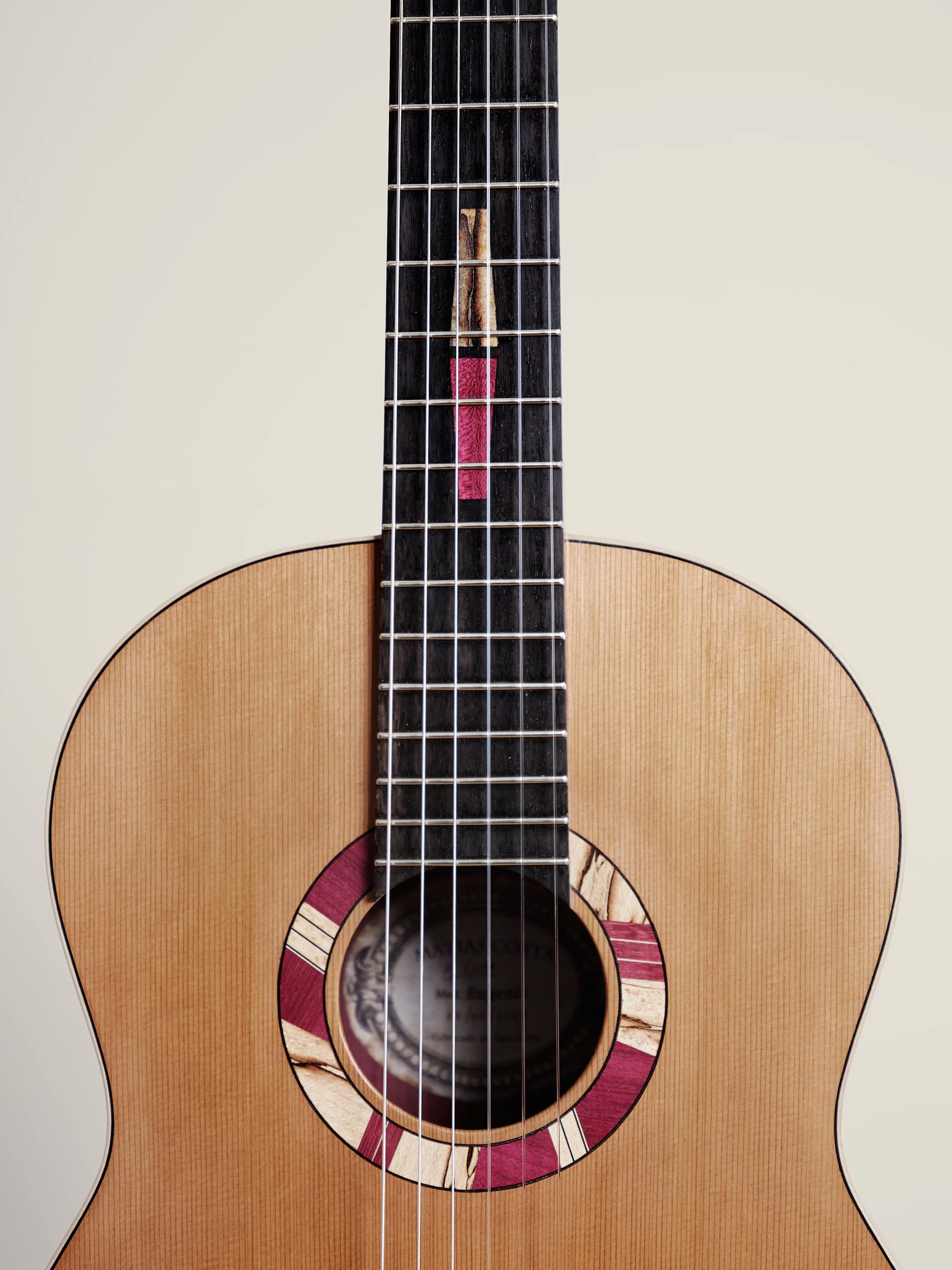
Matías recently made a ukulele rosette out of pencil shavings, an idea he'd had for a long time. It came out of something he'd already been doing. "For some time now, I've been experimenting with optical art and perspective illusions on my rosettes," he says.
"Working with different shapes, I decided to try something with a hexagon, and I realized most pencils have that same shape. I started testing the idea, and everything fell into place."
He designs with one player in mind. "I also like to imagine the person who might play the instrument: in this case, an illustrator playing the ukulele in their free time. That approach helps me design each instrument with a unique aesthetic."
Jorge Drexler
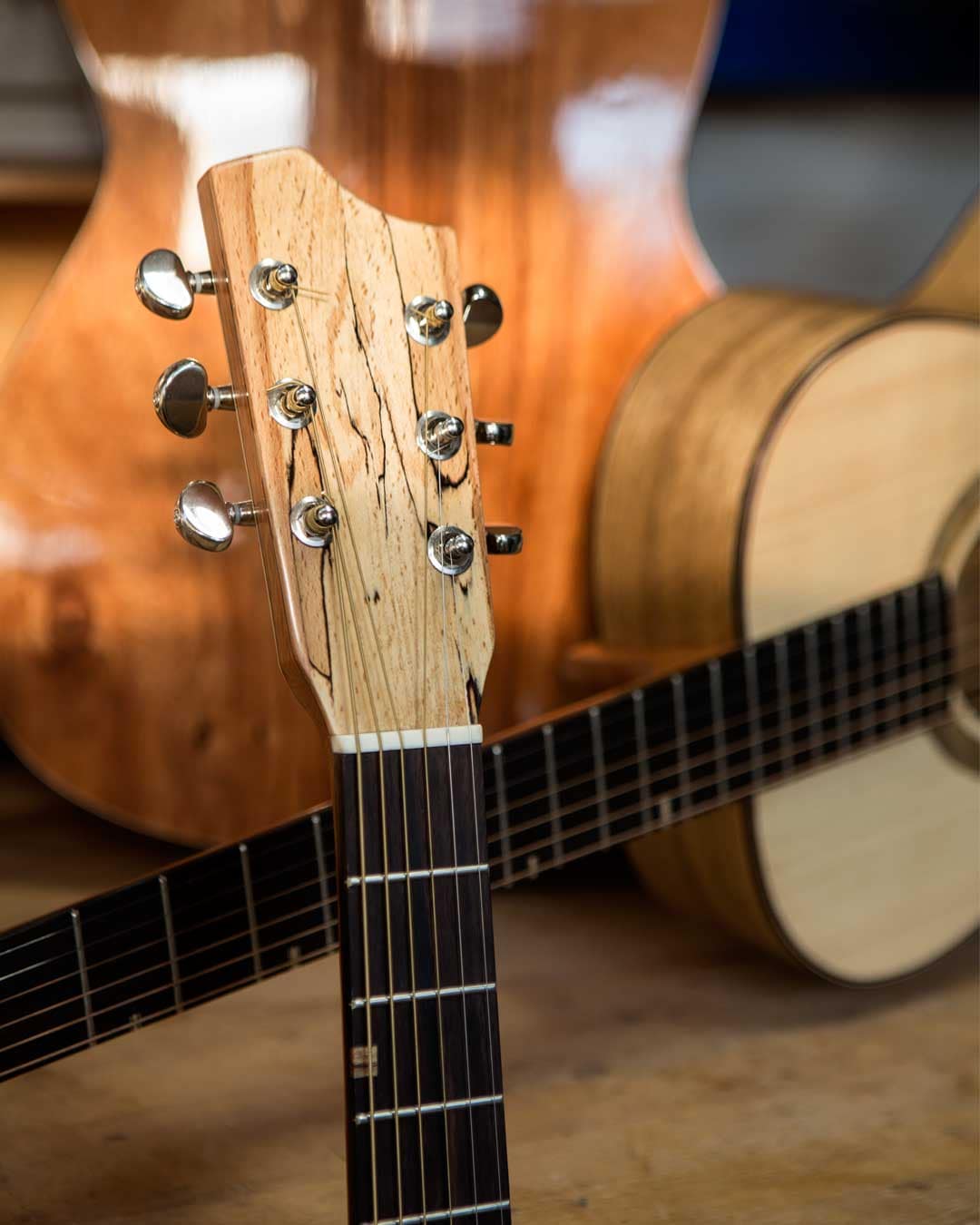
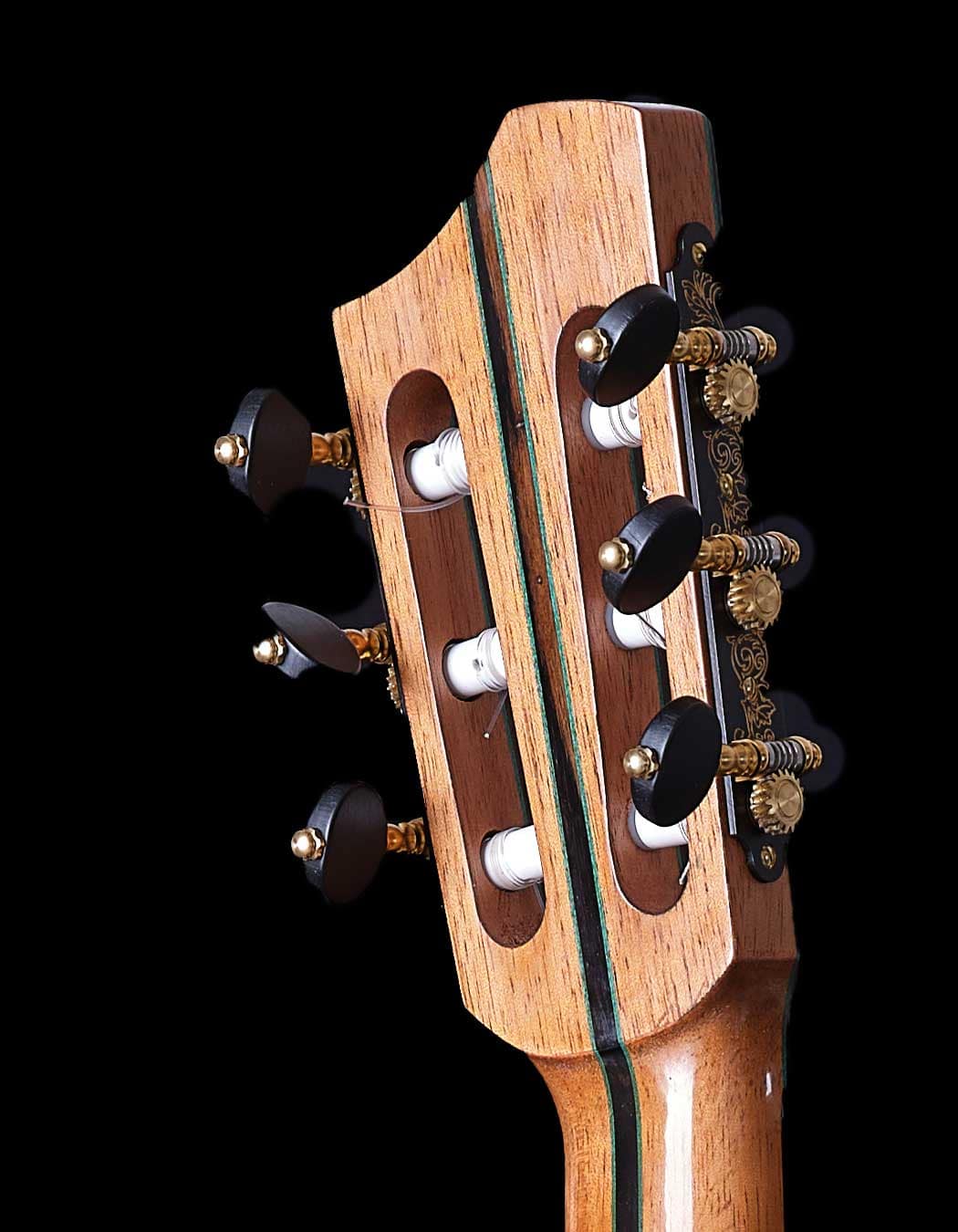
Matías built a guitalele for Jorge Drexler, the Uruguayan singer-songwriter. "It's a really special story because I had the honor of building a guitalele for Jorge Drexler, a musician I've admired for a long time," he says.
“I was able to deliver it to him in person alongside my son, and then watch his concert where he played the instrument. It was truly moving.”
In their hands
Being a player changes how he builds, but mostly it makes him listen to someone else. "When I build custom instruments, I focus closely on the musician who will play it: their technique, style, and specific needs," he says.
“The same instrument often sounds completely different in their hands compared to mine.”
"So my goal is to craft the best possible tool for them."
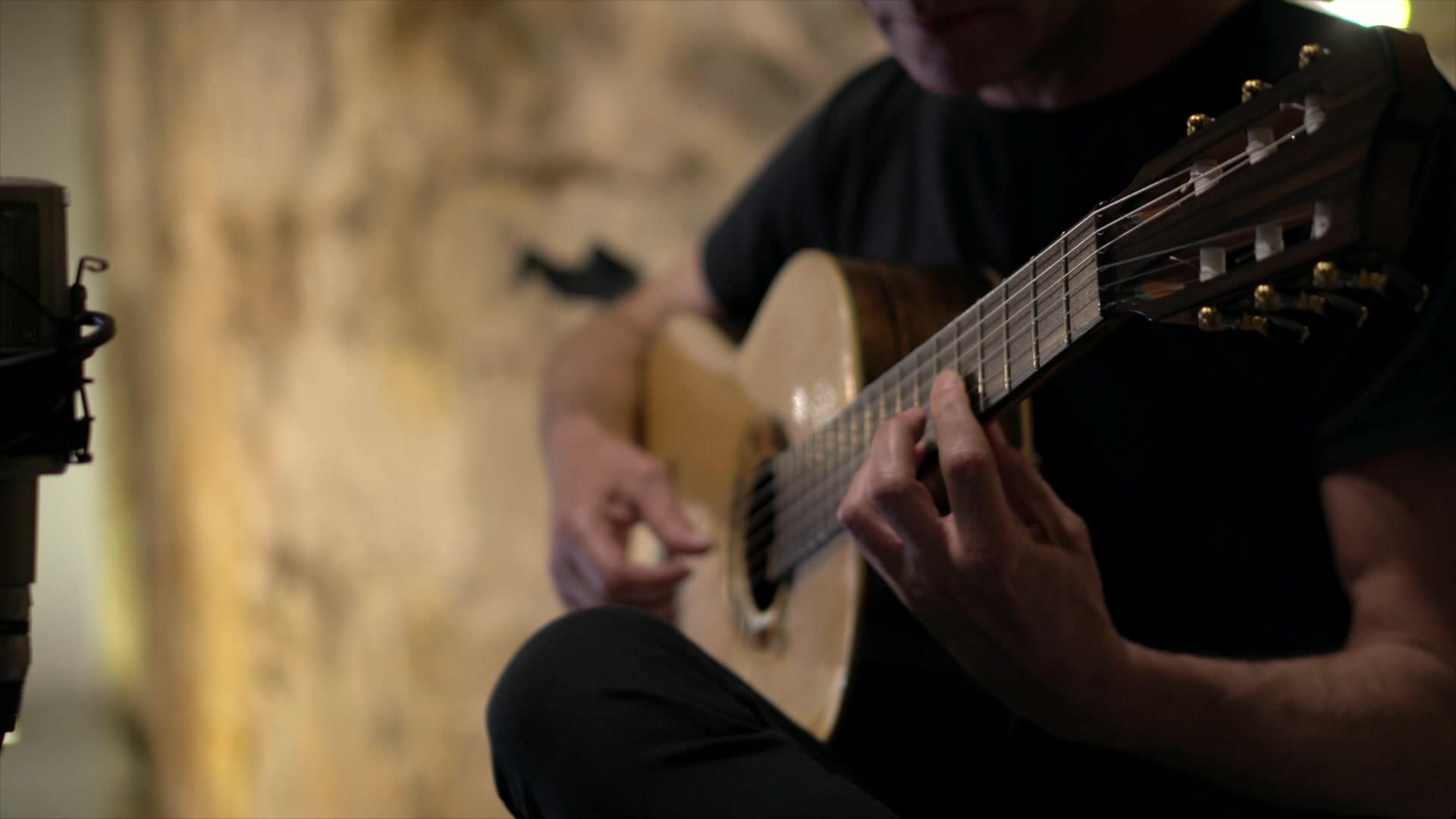
Sometimes he builds for himself instead. "Other times, I build more experimental pieces with subtle variations to suit my own playing style, though those projects are less frequent."
A craft that's disappearing
Matías teaches luthier courses in Tarragona and runs workshops where families with no experience build a diddley bow from scratch. He didn't start out teaching the way he does now. "At first, I tried to act like a master luthier," he says, "but over time I realized that my students teach me just as much with their questions, doubts, mistakes, and unique perspectives."
There's a bigger reason too. "I also believe it's vital to pass on this craft, which is slowly disappearing, and show people that they can build an instrument with their own hands."
“The sense of satisfaction is hard to describe, and age doesn't matter at all.”
Two instruments
We asked which of his instruments means the most to him. "I have two, actually," he says.
The first is his first parlour acoustic guitar, built during a lutherie course. "When I finished it and heard its sound, I was so moved. I felt like a kid again, unable to believe I had made it. Today, it's the guitar I play at home and use for my own concerts."
The second is the guitar he built for his son. "Whenever I see him playing it, I try to stay quiet, but seeing him use an instrument I made with my own hands deeply touches me."
Nothing held back
More than 34,000 people follow his work. What he's learned about making things they want to watch is simple. "I discovered a while ago that people really enjoy seeing the process behind making a guitar," he says. "Because of that, I try to show the step-by-step build without holding anything back."
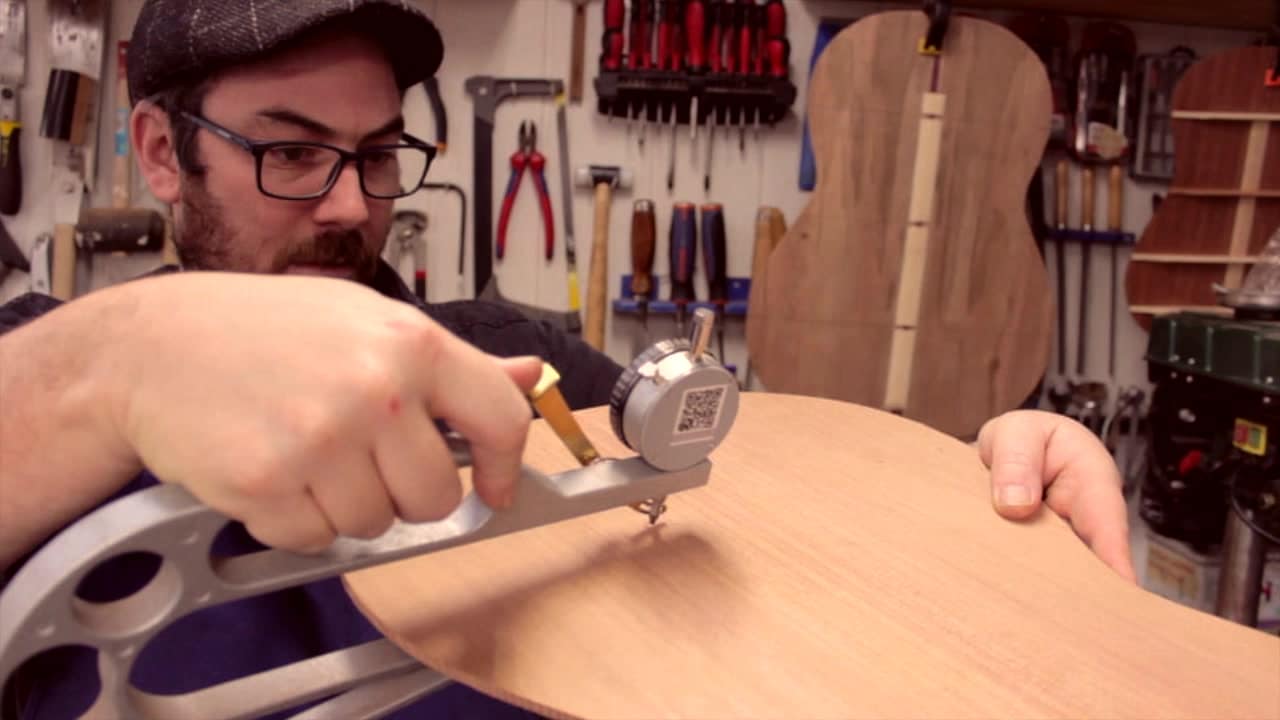
That goes for other luthiers too. "Even when colleagues message me asking about techniques or tools, I share everything openly. I believe this craft is so beautiful that sharing it helps all of us grow."
Not a creative person?
We asked what he'd tell someone who thinks they're not a creative person.
"I would tell them that the most important thing isn't being creative, but feeling that what we do brings us joy, even when we make mistakes or the final result isn't what we had imagined," Matías says. "There's always time to improve on the next attempt."
"I still ask myself every day why I do this, and the answer is simply that I enjoy it, and it feels good."
“Creativity isn't just about making something beautiful; it's a fundamental need to express ourselves.”
See more of Matías's instruments at matiascostaluthier.com and on Instagram at @matiascostaluthier.
Related
What 18 makers taught us about making things
Painters, a glassblower, a darkroom, a jeweller, a motorcycle builder. One lesson from each, in their own words.
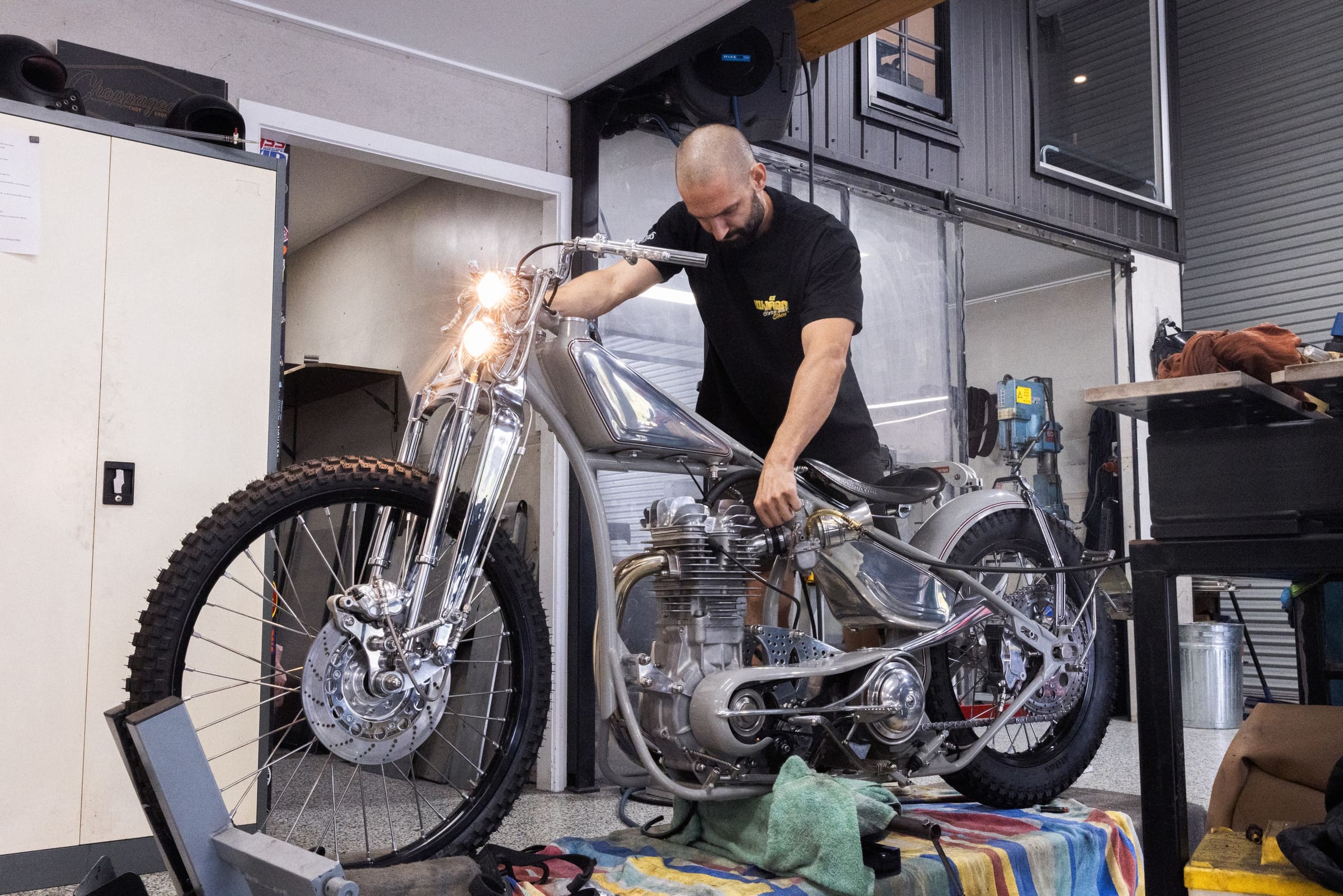
Inside the Workshop: The Reality of Custom Motorcycle Building
From the home garage to a full-time workshop, one story at a time.
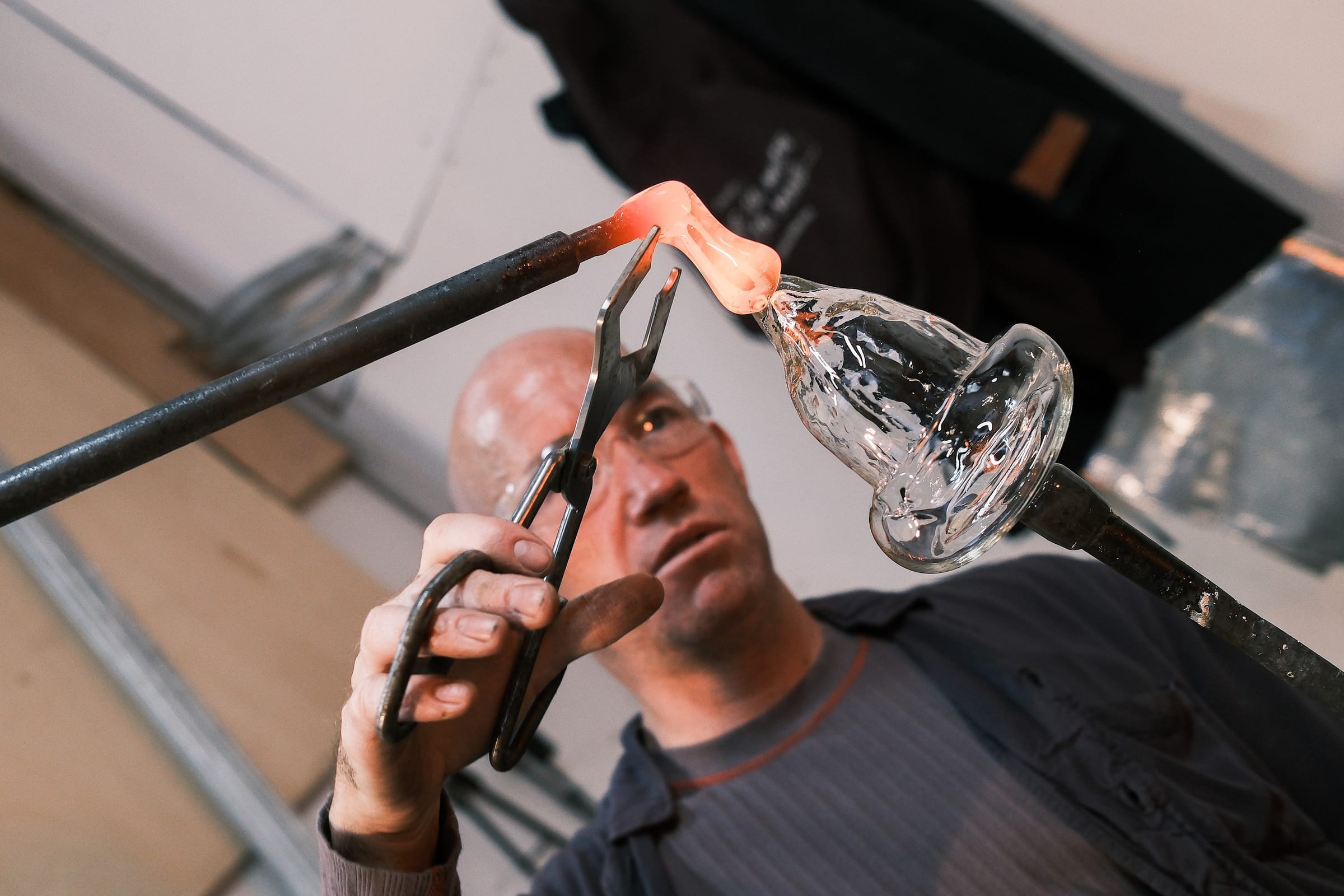
Inside a Professional Glassblowers Workshop
Sixteen years of glass, two years of his own studio.
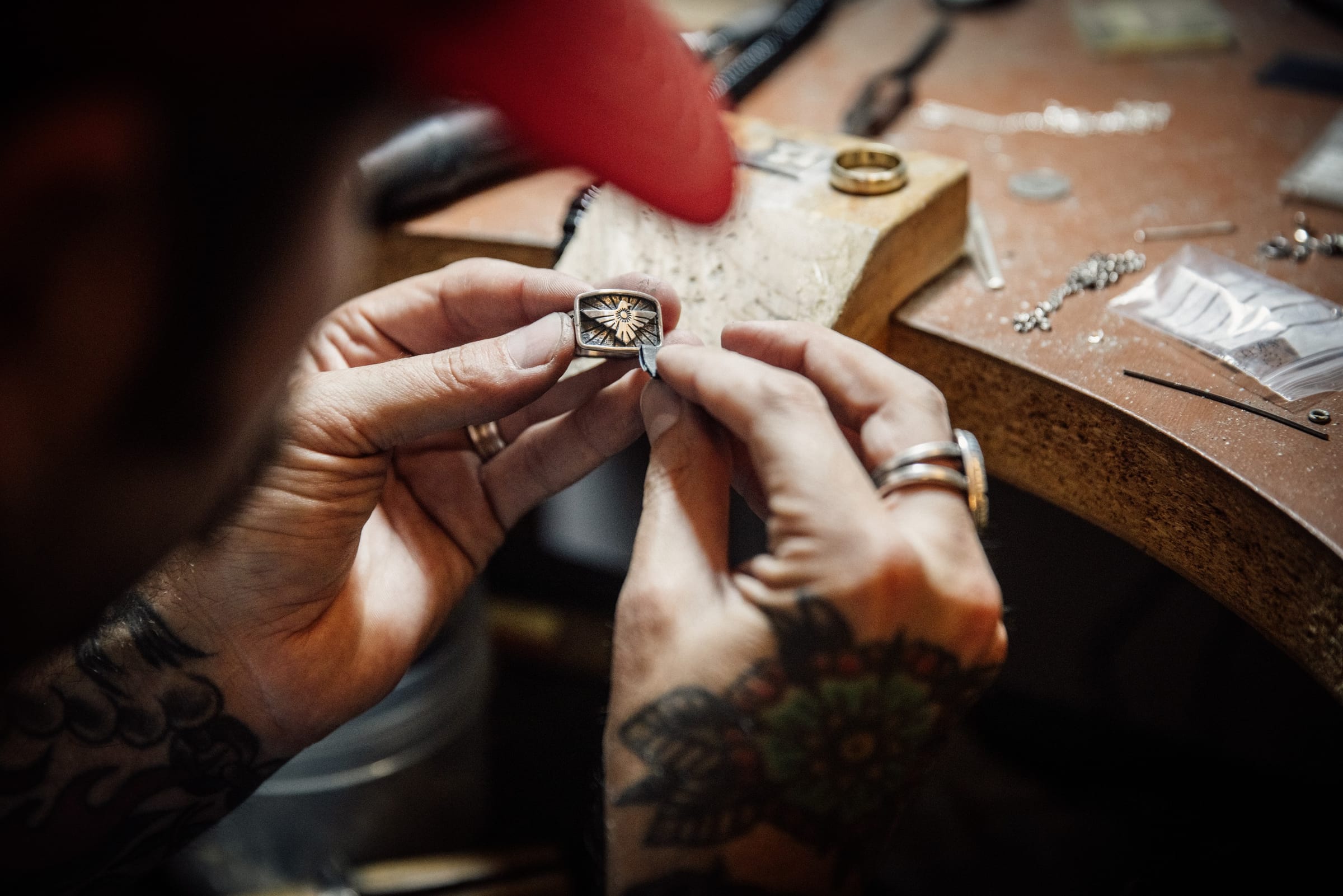
The Reality of Being a Handmade Jeweller in Melbourne
Silver, made slowly and properly, at a bench at home.