10 artists known for one animal
Some artists spend a lifetime with one animal. A kitten that comforted a dying wife, a duck drawn in 1969, a cow stuck up a tree. Ten artists, from Edo-era Kyoto to Docklands, and the creature that became theirs.
Most artists move between subjects. A few find one animal and never quite let it go. Sometimes it starts by accident, a frog in the hand or a joke from a grandmother. Sometimes it's grief, or a chicken in the back garden. Either way, the animal ends up carrying the work.
Here are ten artists, ten animals, and how each pairing started. Oldest first.
Itō Jakuchū: the rooster
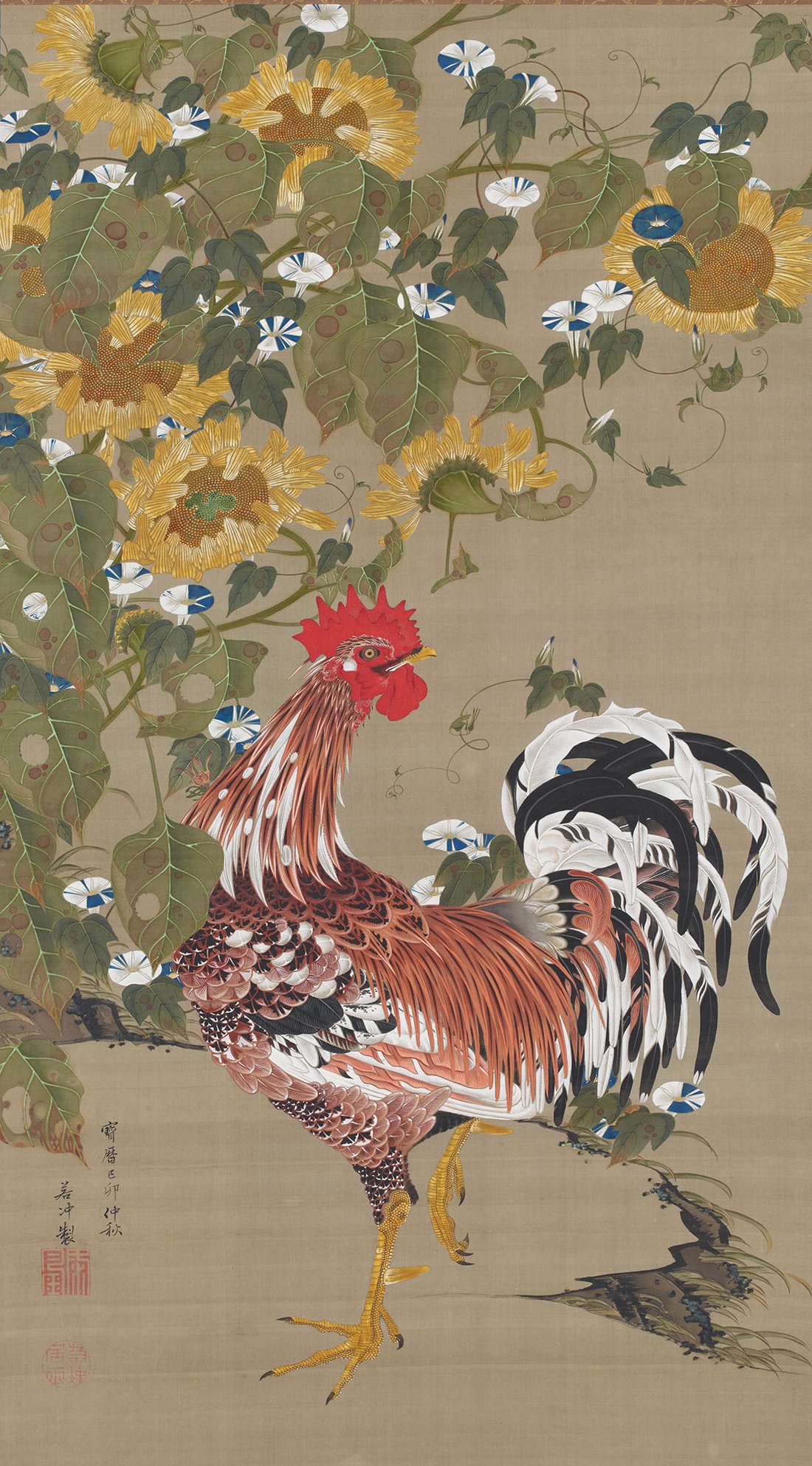
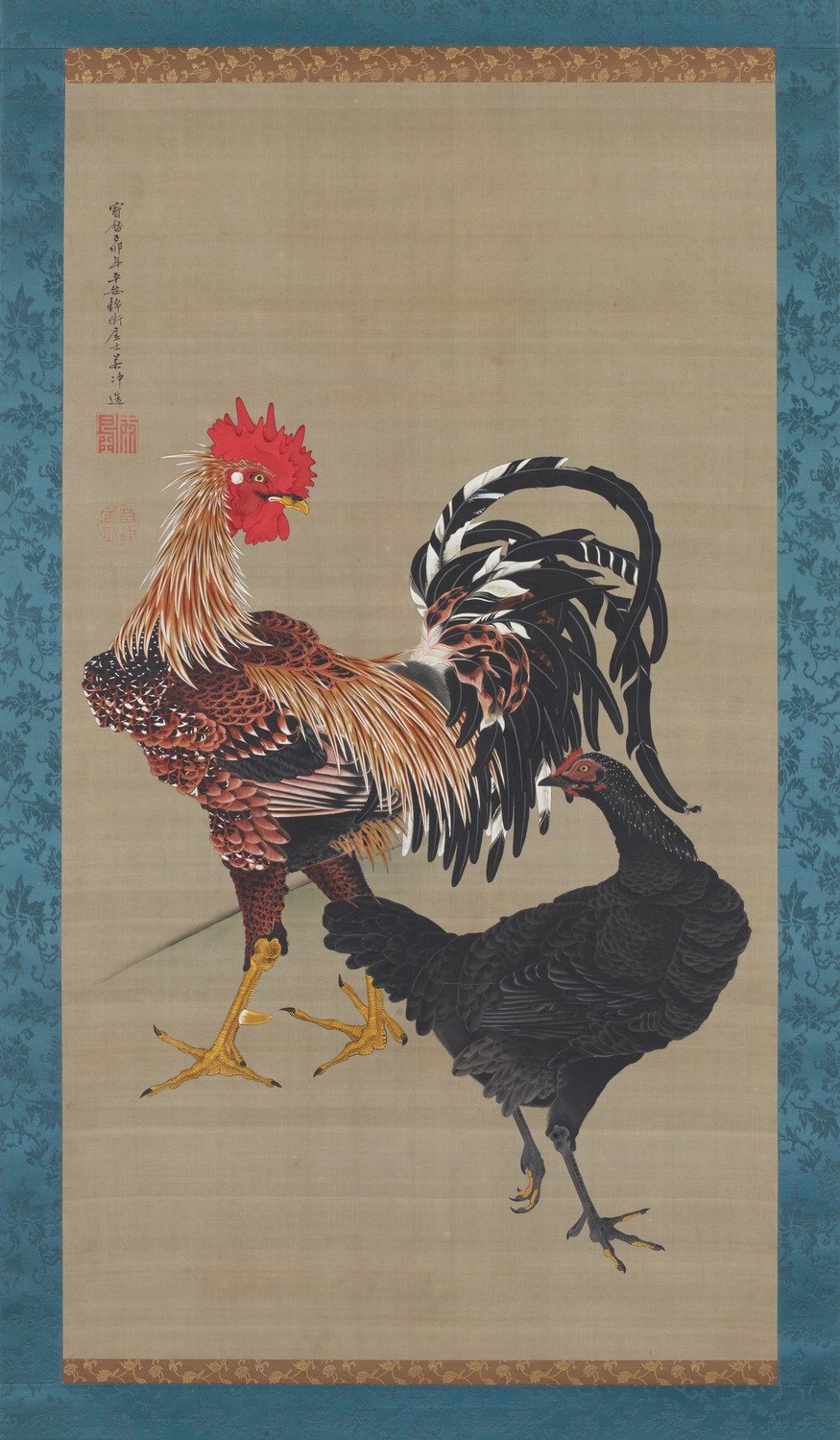
Itō Jakuchū (1716 to 1800) was the son of a Kyoto greengrocer. He didn't take to the strict teaching of the painting schools of his day, so he taught himself, by sketching what was in front of him: the vegetables in his father's shop, the fish in the Nishiki market, and the chickens in his garden.
The chickens won. Roosters and hens strut through his greatest work, Colorful Realm of Living Beings, a set of large silk scrolls now in Japan's imperial collection, painted in such detail you can count the feathers. Two centuries later he is one of the most popular painters in Japan.
Edward Lear: the parrot
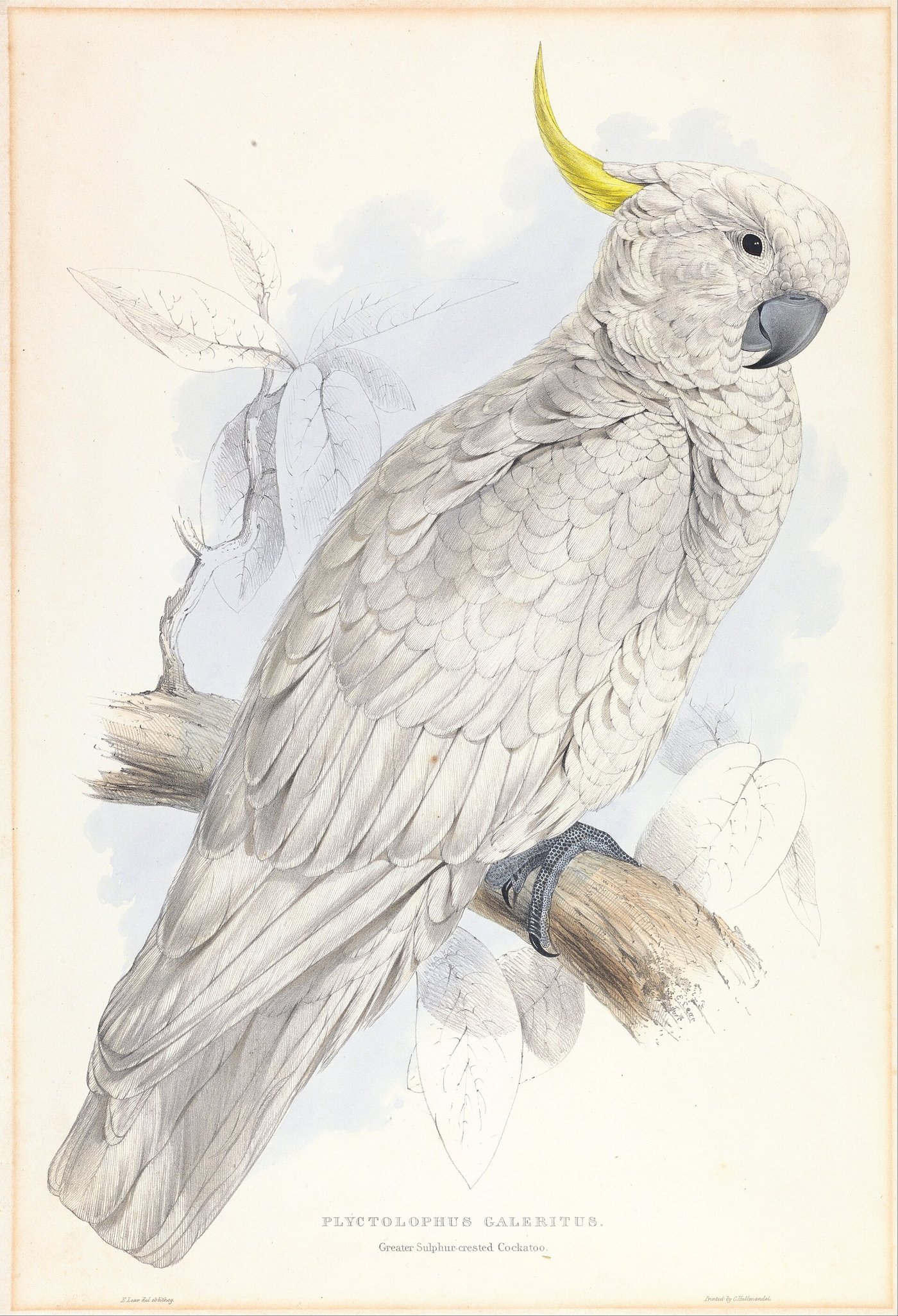
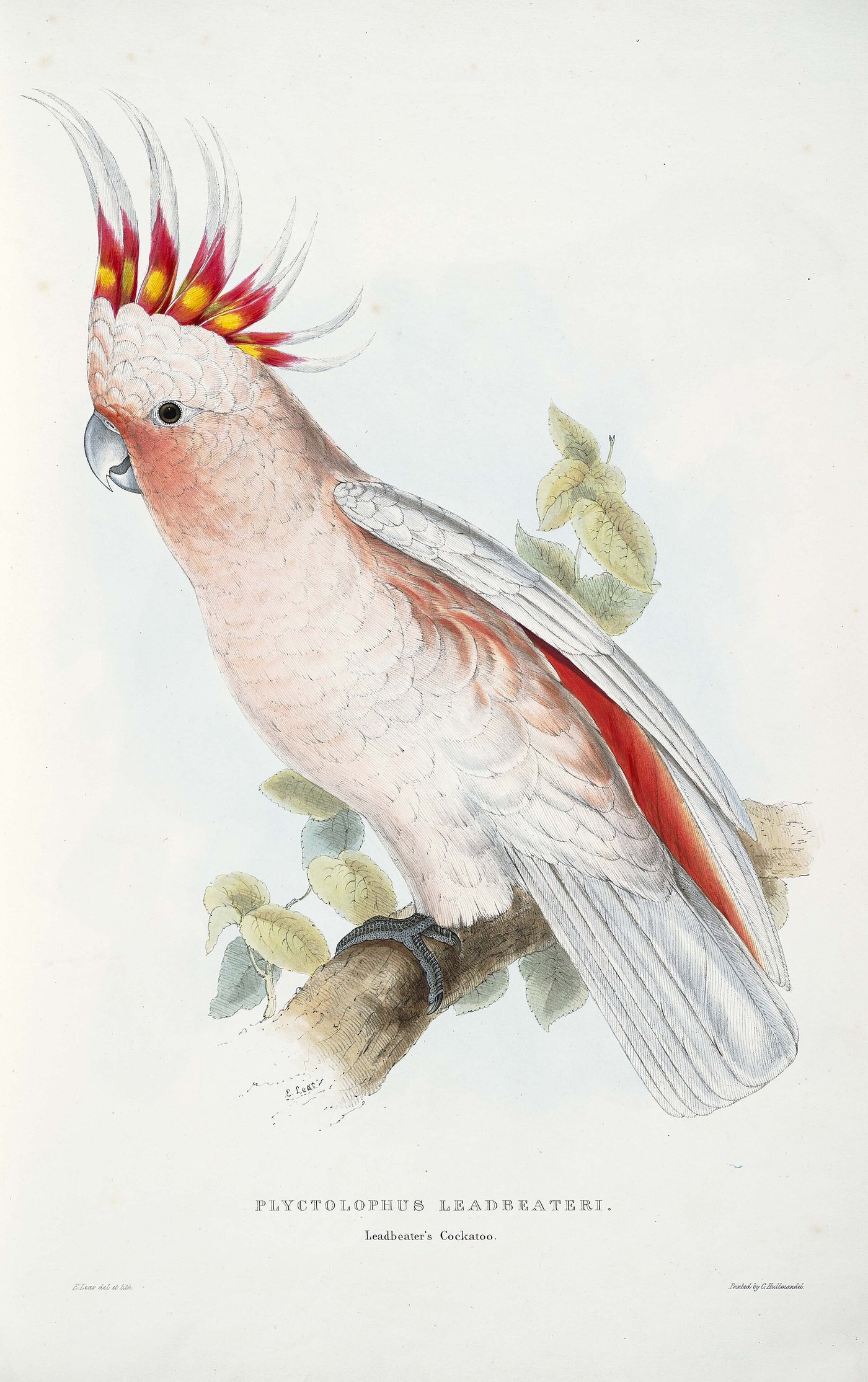
Before the limericks, there were parrots. Edward Lear (1812 to 1888) is remembered for The Owl and the Pussy-cat and his books of nonsense. But his first publication, when he was just 19, was Illustrations of the Family of Psittacidae, or Parrots, a set of large hand-coloured plates.
Two of the best are Australian birds: the sulphur-crested cockatoo, which still screeches over every backyard in Sydney, and the pink Major Mitchell's (Leadbeater's) cockatoo. Nearly two hundred years on, they still look alive.
Louis Wain: the cat
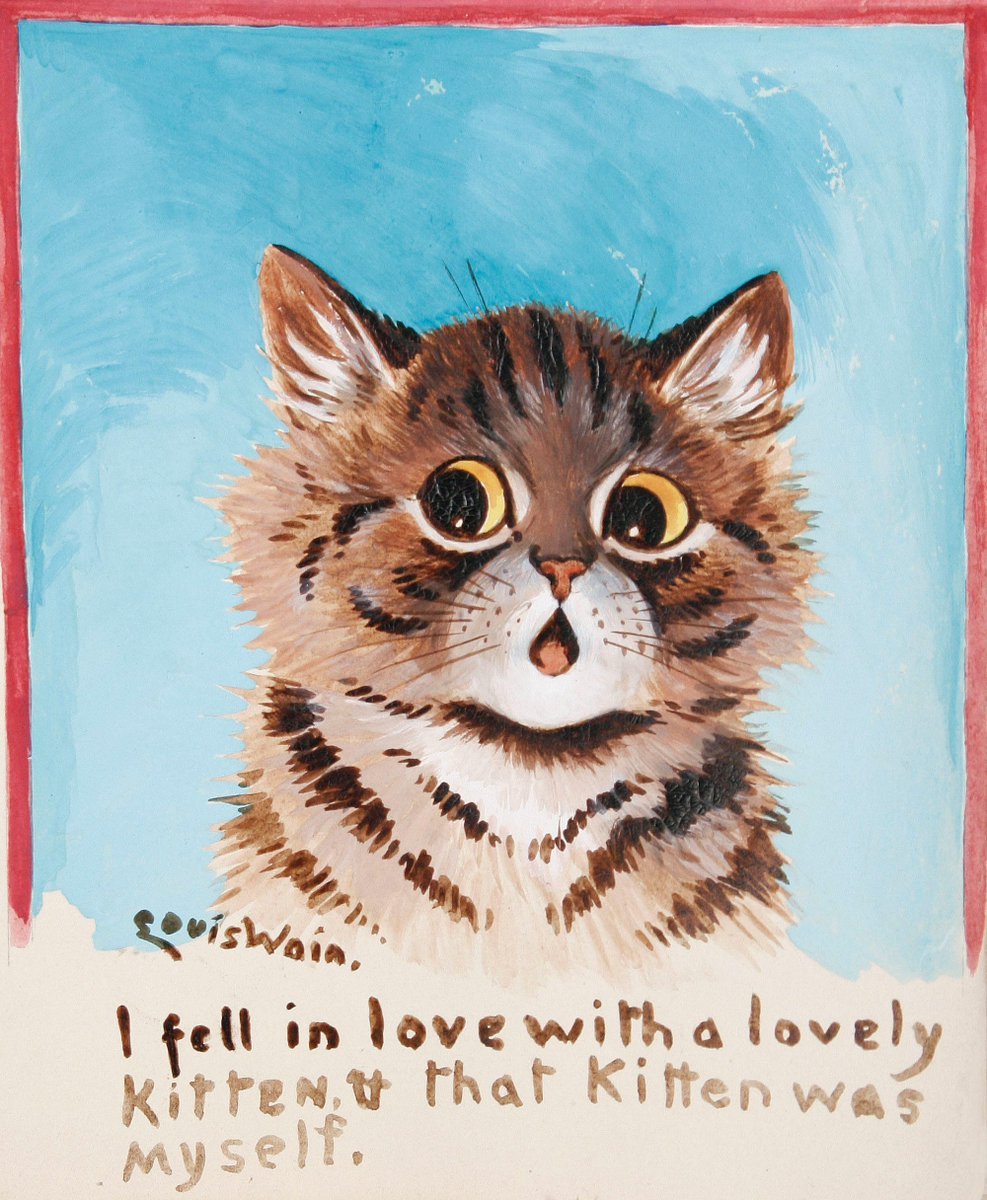
Louis Wain (1860 to 1939) married in 1884, and soon after his wife Emily fell ill with cancer. A black-and-white kitten called Peter kept her company, and Wain started drawing him to make her laugh. Wain later said Peter laid the foundation of his career.
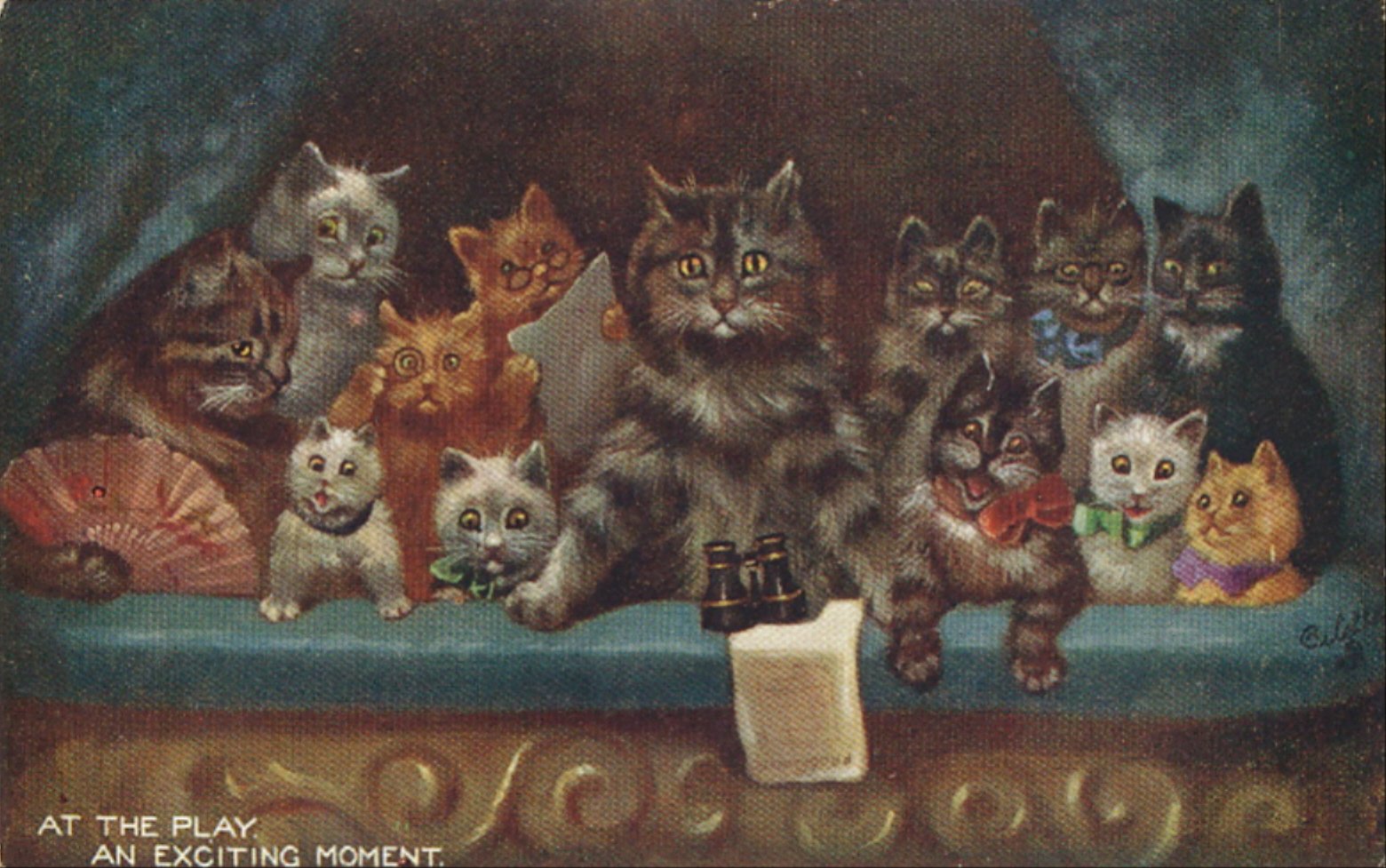
Emily died in 1887. By then Wain's cats were standing up, wearing clothes and throwing parties, and by 1890 he was a household name. He drew hundreds of cats a year, but sold his work cheaply, gave away his copyrights and never got rich. H. G. Wells put it best: "He has made the cat his own."
Dorothy Wall: the koala
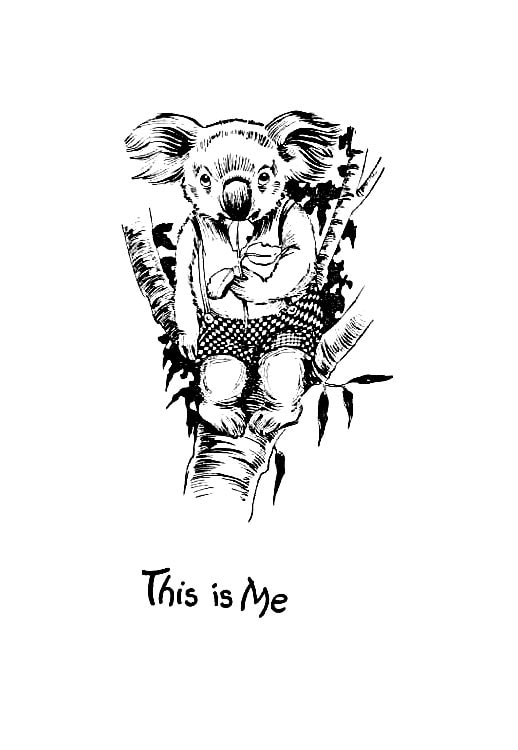
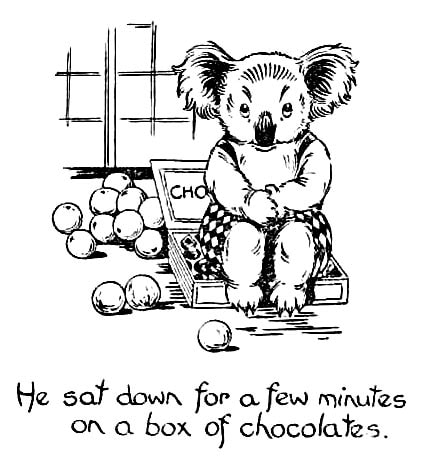
Long before koalas were on every souvenir tea towel, Dorothy Wall (1894 to 1942) gave one a pair of checked pants. Born in New Zealand, she moved to Sydney in 1914 and worked as an illustrator. Blinky Bill grew out of the stories she told her son, Peter.
Blinky Bill: The Quaint Little Australian came out in 1933, and a cheeky young koala became one of the best-known characters in Australian children's books. Wall drew him for the rest of her life. Despite his popularity, she struggled for money, and she died in 1942, not yet 50.
John Olsen: the frog
John Olsen (1928 to 2023) is best known for big, looping landscapes of the Australian interior. Running through them, for fifty years, are frogs.
It started on a film shoot. Olsen was filmed by a waterfall holding a small, wet frog for a nature documentary in the early 1970s, and the animal stayed with him. Frogs turned up through his Lake Eyre paintings and his work of the 1980s, on paper, canvas and in bronze. Even his last big mural, The King Sun (2013), has three frogs in its sun.
Michael Leunig: the duck
In 1969 Michael Leunig (1945 to 2024) was a political cartoonist who was tired of political cartoons. He drew a man with a teapot on his head, riding into the sunset on a large duck. It ran, and the duck never left.
Leunig later saw that drawing as his own escape. The duck became a regular in his cartoons and poems, alongside Mr Curly and Vasco Pyjama, and gave its name to books like Musings from the Inner Duck and Ducks for Dark Times. In his poem "A Little Duck", he writes that she will lead you "into wisdom, joy and innocence." Fifty-odd years after the first one, the teapot and the duck were still travelling together.
Dean Bowen: the echidna
Dean Bowen's echidna began as a joke at his expense. When he was a kid, his grandmother Linda drew him floating off on a balloon, wearing an echidna as a wig, a dig at his spiky hair. "That was a good laugh," he told Artist Profile.
The echidna stuck. It moved into his etchings and later into bronze, and his 1998 etching Echidna reads like a totem for the artist himself. Bowen paints and prints plenty of other animals, birds especially, but the echidna is the one with his hair.
John Kelly: the cow
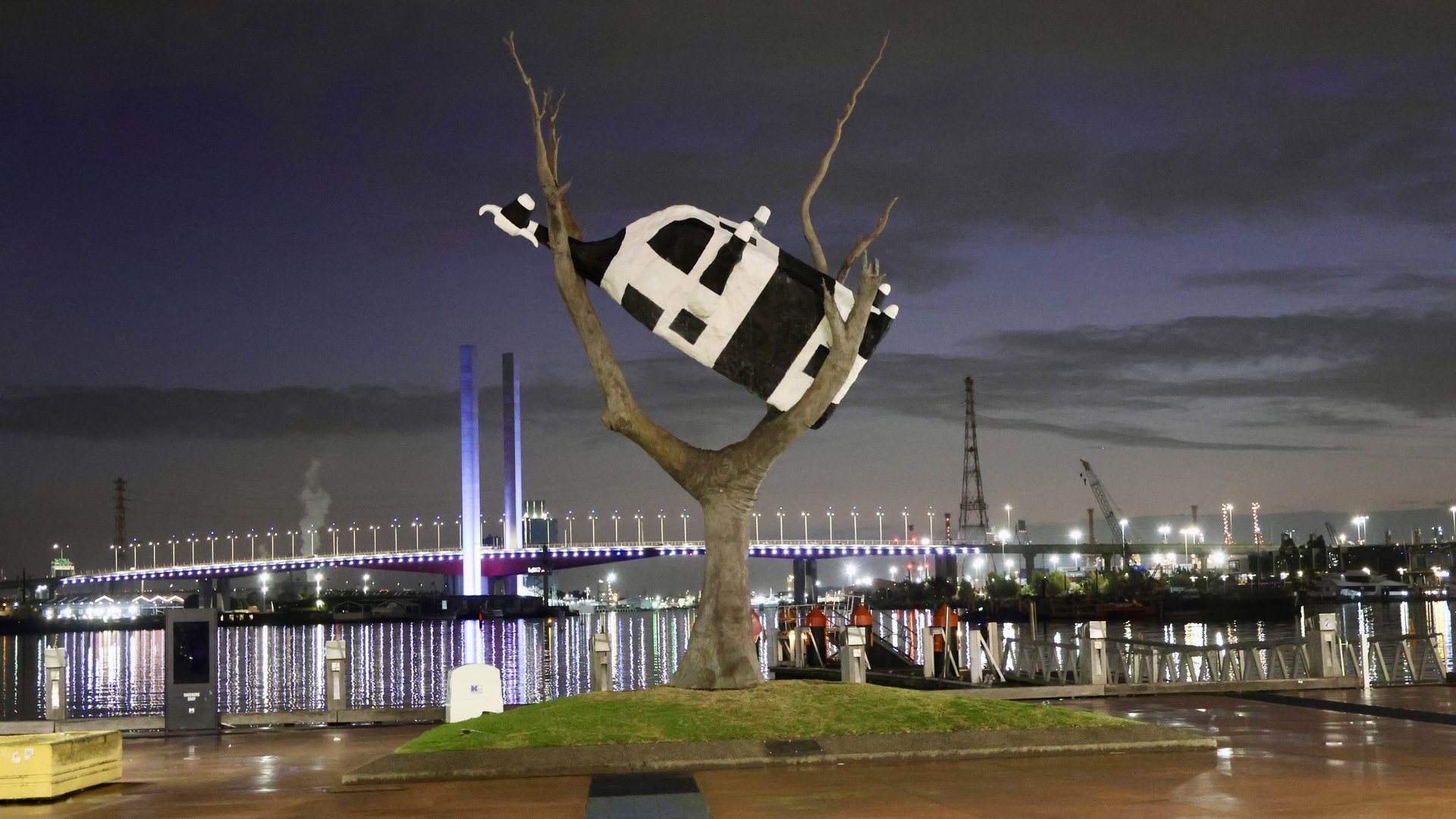
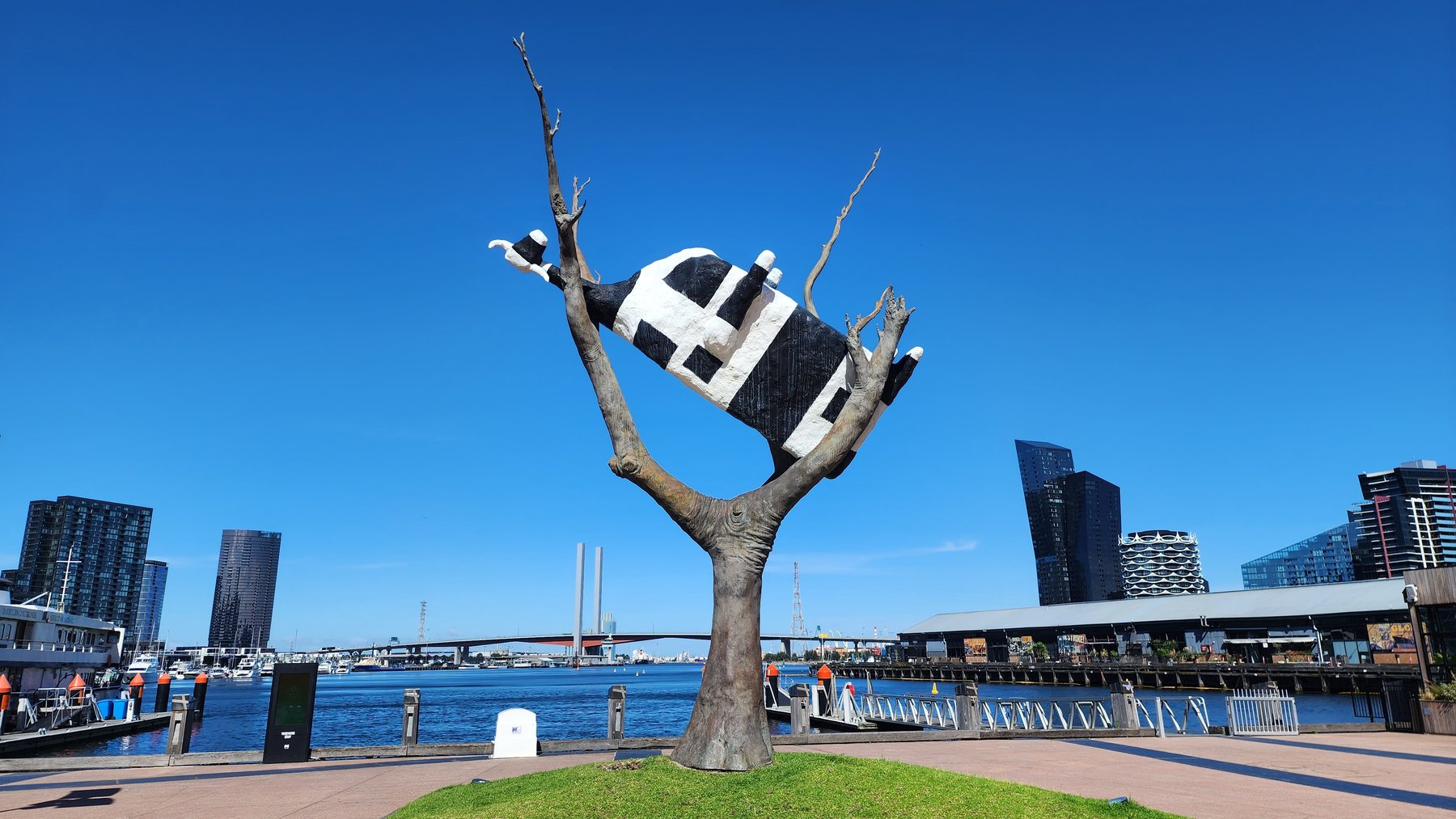
Anyone who has walked through Docklands has probably looked up at John Kelly's cow. Cow Up a Tree (2000) is eight metres of bronze, inspired by a cow carcass left caught in a tree after floods in Gippsland.
Kelly's cows go back further than that, to a strange bit of wartime history. During the Second World War, the painter William Dobell made papier-mâché cows to place on airfields, to confuse enemy pilots. Kelly, raised in Melbourne, took that story and spent much of the 1990s painting and sculpting "Dobell's cows". He has lived in Ireland for years now, but the cow is still how most Australians know him.
Lisa Roet: the ape
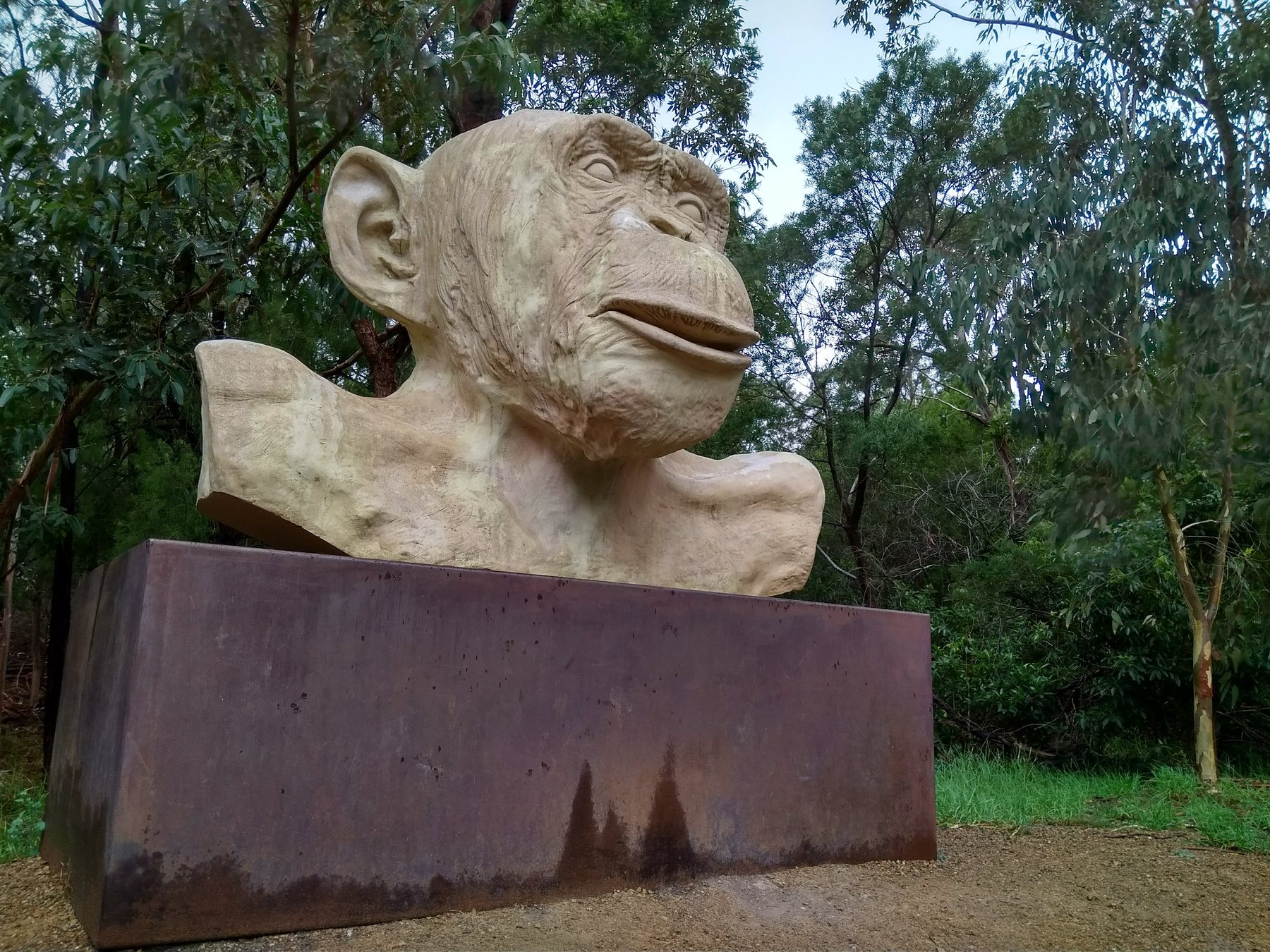
Melbourne artist Lisa Roet met her first ape at Berlin Zoo, just after the Wall came down. Keepers were caring for a baby gorilla its mother had rejected, and she took an impression of its hand. Hands became central to the work, and apes have been ever since.
She works in bronze, charcoal, film and, at the biggest scale, inflatables: her 12-metre silver chimpanzee, David Greybeard, was made with the Jane Goodall Institute Australia. Her sculpture White Ape won the McClelland Sculpture Prize in 2005. Her monograph is simply called I am Ape.
“In my work I'm always becoming the ape, or the ape is becoming me.”
Joshua Yeldham: the owl
Joshua Yeldham paints, carves and scratches into his own photographs from his home on Pittwater, north of Sydney. His owls began in a hard time. While he and his wife Jo were going through infertility, he told Dumbo Feather, "that owl in my creative world, my dreaming, was stealing my embryos from me".
When Jo fell pregnant, the owls changed. "I had 150 fertility owls," he said, "and people started buying them because they wanted to have children." He now uses the owl as a stand-in for himself. One of them, Self portrait, Morning Bay, was an Archibald Prize finalist in 2013.
One animal, a lifetime
None of these artists set out to be "the rooster one" or "the duck one". An animal turned up at the right moment and kept being useful: as company, a joke, a self-portrait, a way out. That's the part we like. Big bodies of work often start with something small and close to home.
Know an artist with an animal of their own? Tell us.
Image credits
Featured image: Cow Up a Tree by John Kelly at dusk, photo by Yu Chu Chin, CC BY-SA 4.0, cropped. Cow Up a Tree by day: photo by Shkuru Afshar, CC BY-SA 4.0. White Ape by Lisa Roet: photo by Michael Rowe, CC BY-SA 3.0. Itō Jakuchū, Rooster and Sunflowers and Rooster and Hen, public domain. Edward Lear, greater sulphur-crested cockatoo and Leadbeater's cockatoo, public domain. Louis Wain, “I fell in love with a lovely kitten” and At the Play, public domain. Blinky Bill drawings: Dorothy Wall, Blinky Bill: The Quaint Little Australian (1933), public domain. Instagram posts are embedded from the artists' own accounts, and stay theirs.
Related
Inside the Studio of Public Artist Abbey Rich
Art, furniture and playground, made for everyone.
Artist Studio Visit - Angharad Neal-Williams
Flat colour, quirky lines and imagined worlds.
Inside the Epic Studio of an Abstract Artist
A second chance, and the work that came out of it.
The Collage Artist Who Nearly Died at 36
Ripped paper, cut letters and a second chance.