Enzo Lucia grew up where photography was born
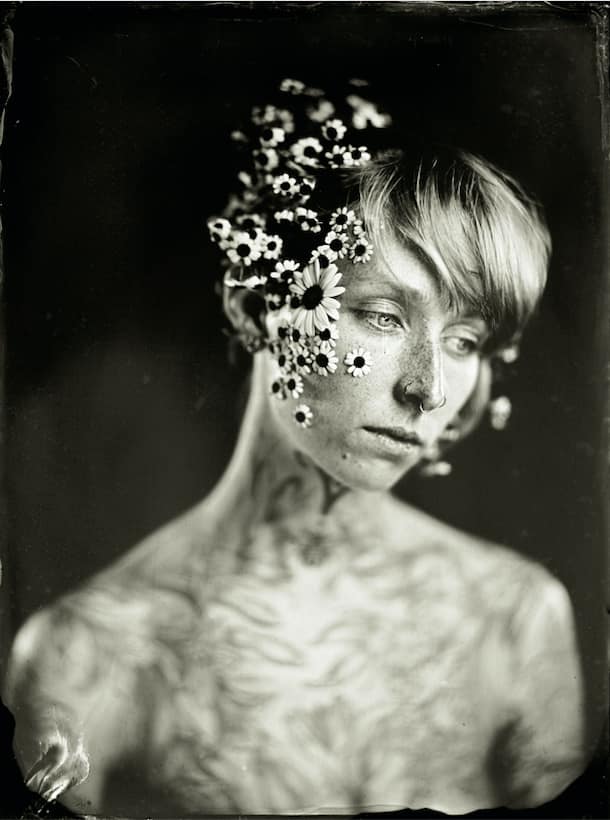
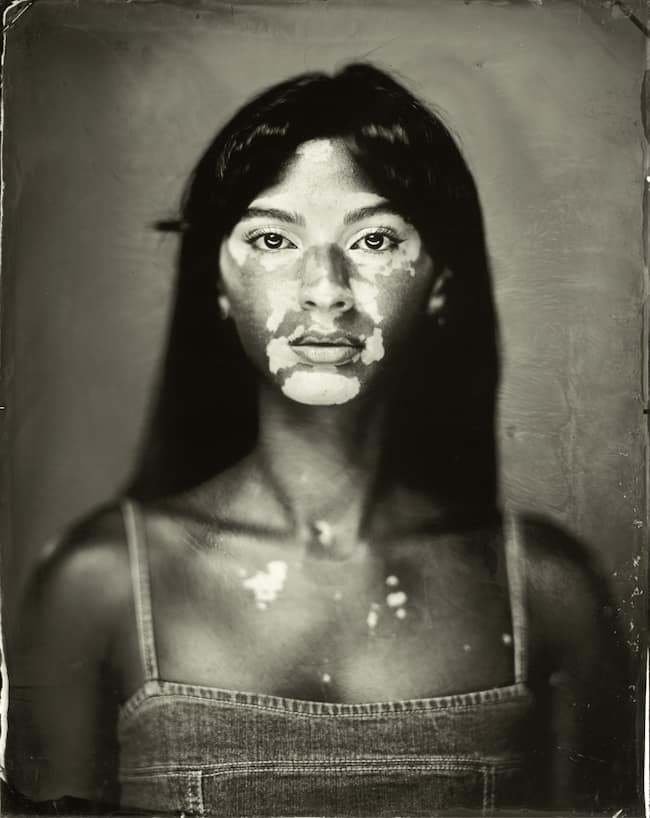
Enzo Lucia is a wet plate collodion photographer from Chalon-sur-Saône, France, the hometown of Nicéphore Niépce. Every image is a one-off on glass or metal, made with antique lenses and a darkroom that goes on the road. We asked how a process from 1851 ended up at the centre of everything.
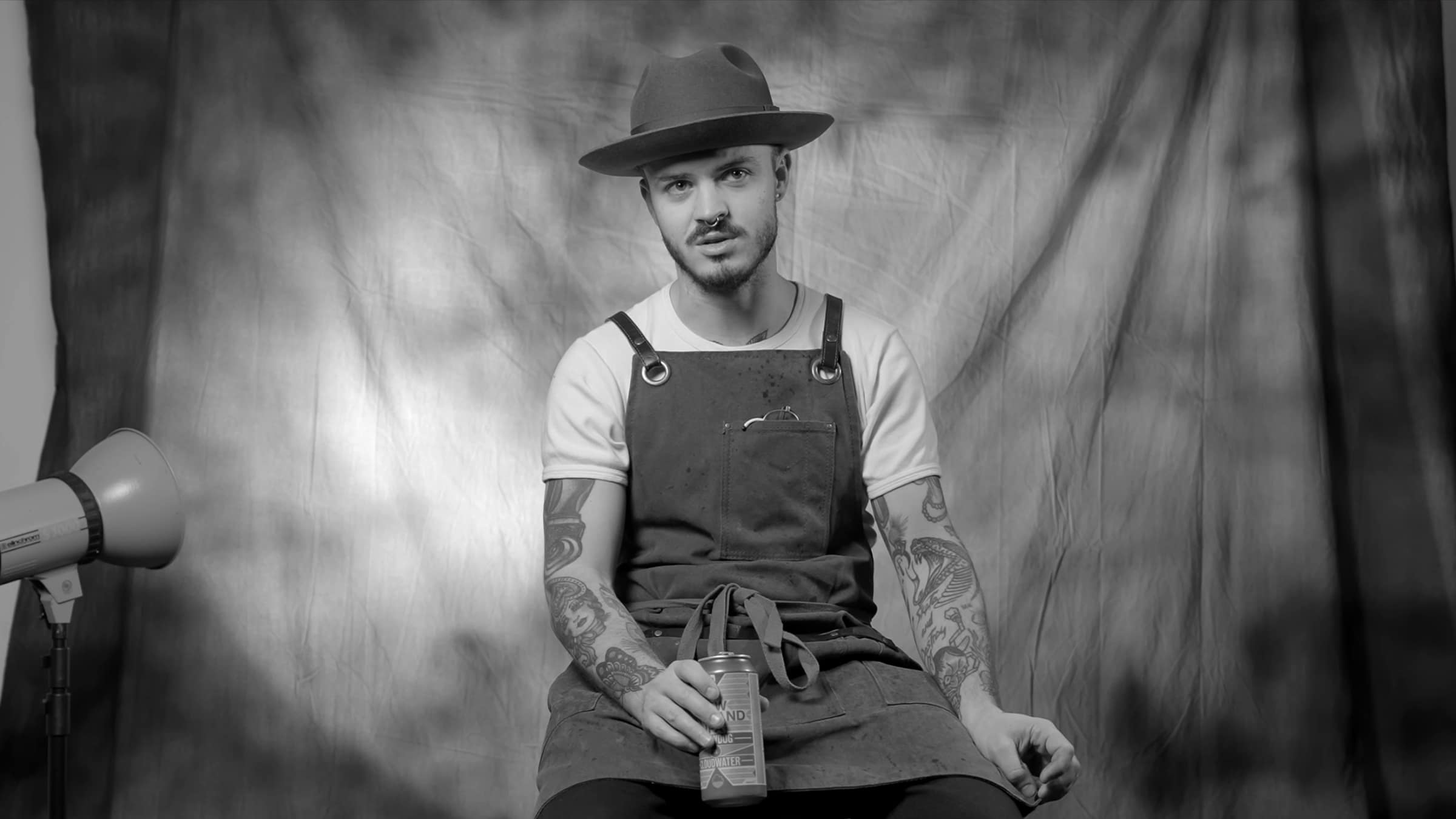
Enzo Lucia grew up in Chalon-sur-Saône, in France, the hometown of Nicéphore Niépce, the inventor who made the first photograph. The connection only meant something to Enzo much later, once he had started making photographs the way they were made in 1851: by hand, on glass and metal, one plate at a time.
The process is wet plate collodion. He runs Studio Tintype & Ambrotype in Chalon, and takes the whole darkroom on the road. He answered our questions by email. Here he is in his own words.
Where photography was born
"Growing up in Chalon-sur-Saône, the birthplace of Nicéphore Niépce, naturally gives a particular meaning to my journey," Enzo says, "even though my connection with the history of photography only developed much later."
What pulled him in was the idea of doing all of it. "What really attracted me to wet plate collodion was the desire to reconnect with a photographic tradition and bring it into the present. I was fascinated by the possibility of creating a photograph entirely with my own hands, from preparing the chemistry to producing the final image."
"I discovered a process that brought together several things I love: photography, chemistry, antique objects, and experimentation. What started as a simple discovery gradually became the center of my artistic practice."
“It's almost as if that connection with Chalon only started to make sense much later.”
No negative, no copies
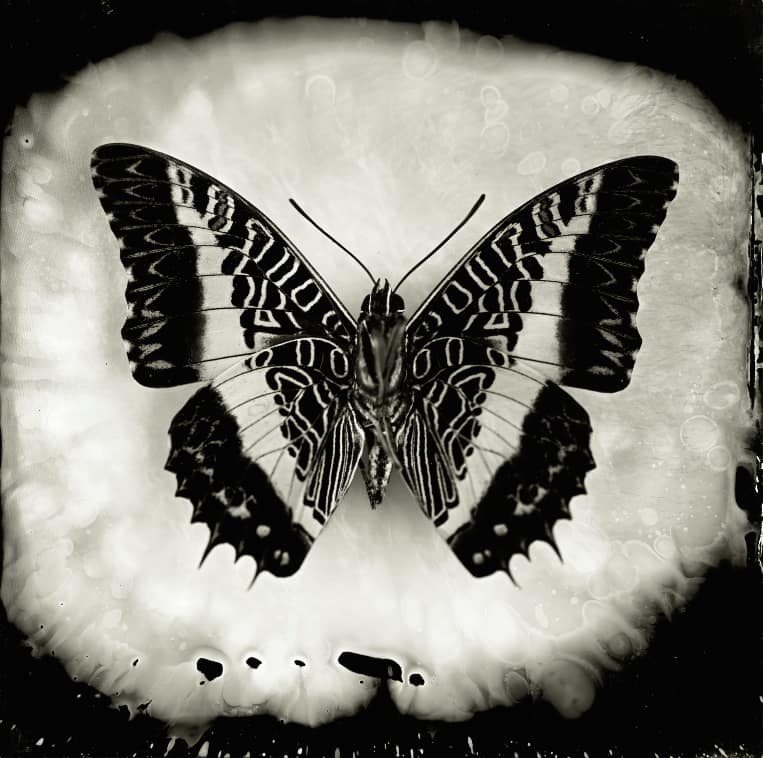
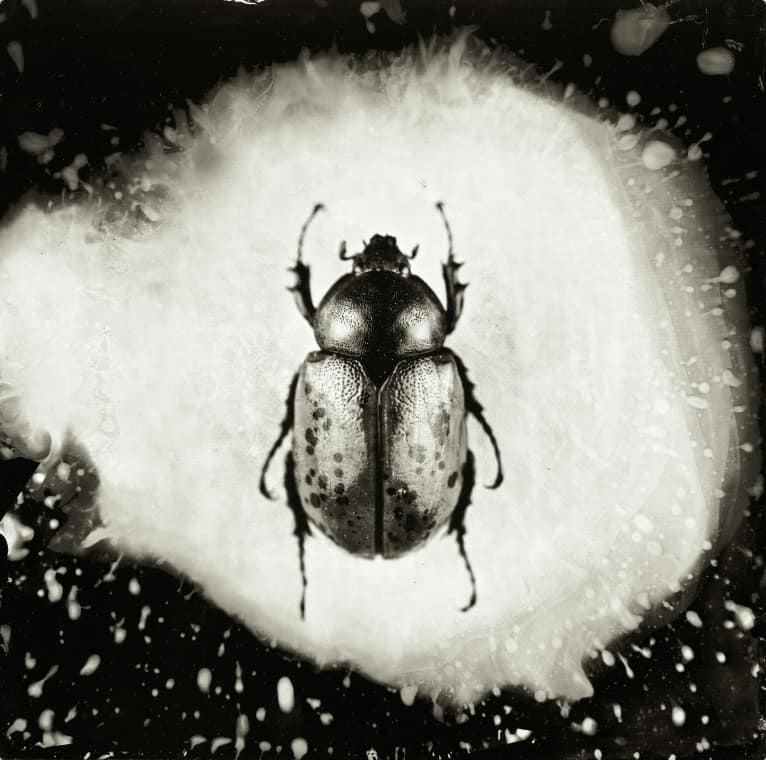
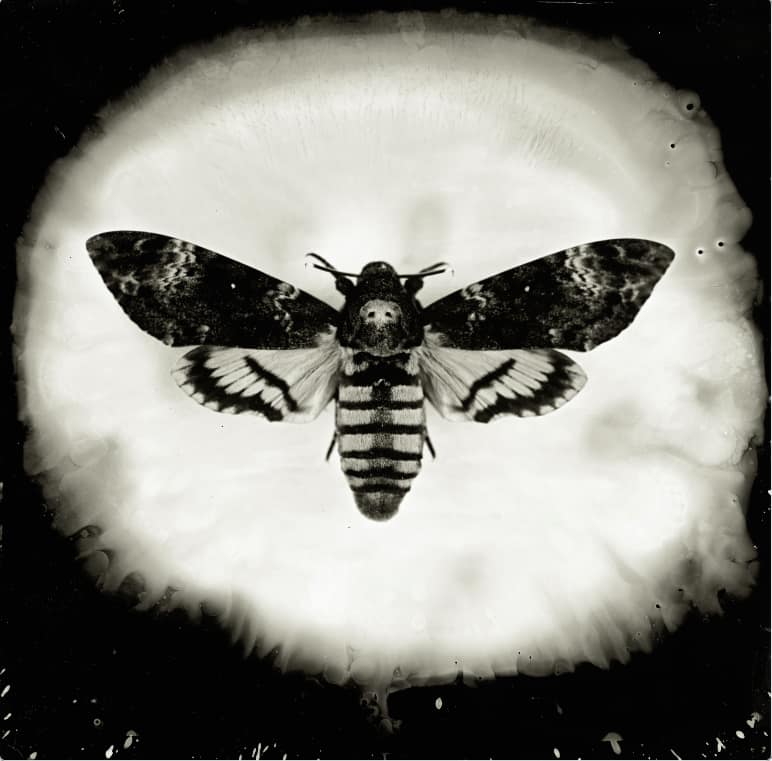
With wet plate, there's only ever one. It's the opposite of film, where one negative can make print after print, the way Dillon Jevon does in From Negative to Print. "Above all, the physical nature of the image," Enzo says. "With wet plate collodion, the photograph exists directly on its final surface, whether it's a metal or glass plate. There's no negative from which you can produce multiple identical copies."
“Each photograph is a unique object, created through chemistry, with its own surface, texture, and sometimes imperfections.”
It's also where the freedom is. "I can experiment with the chemistry, adjust different parameters, and explore visual effects that aren't simply filters applied after taking the photograph. The image is created just as much in the darkroom as it is behind the camera."
A darkroom that travels
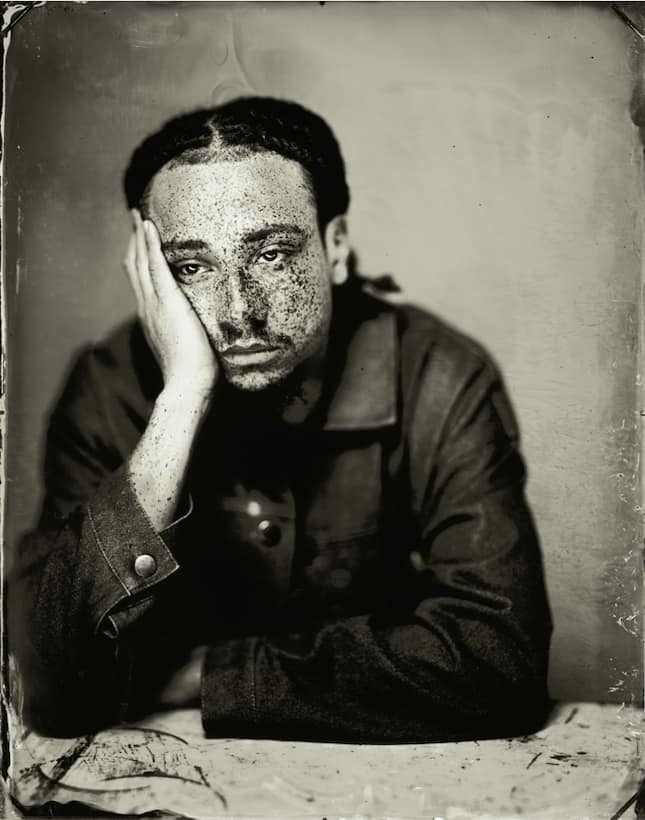
He doesn't wait for people to walk into the studio. "Meeting people is an essential part of my work. Traveling with my studio allows me to photograph people I probably would never have met otherwise."
"It's also a form of freedom. My equipment, cameras, and darkroom travel with me. I can set up a studio in a shop, a garage, a park, somewhere on the other side of Europe, or spend several weeks traveling and photographing landscapes."
“I really like the idea of not simply waiting for subjects to come to me, but going out into the world to find them.”
How wet plate collodion works
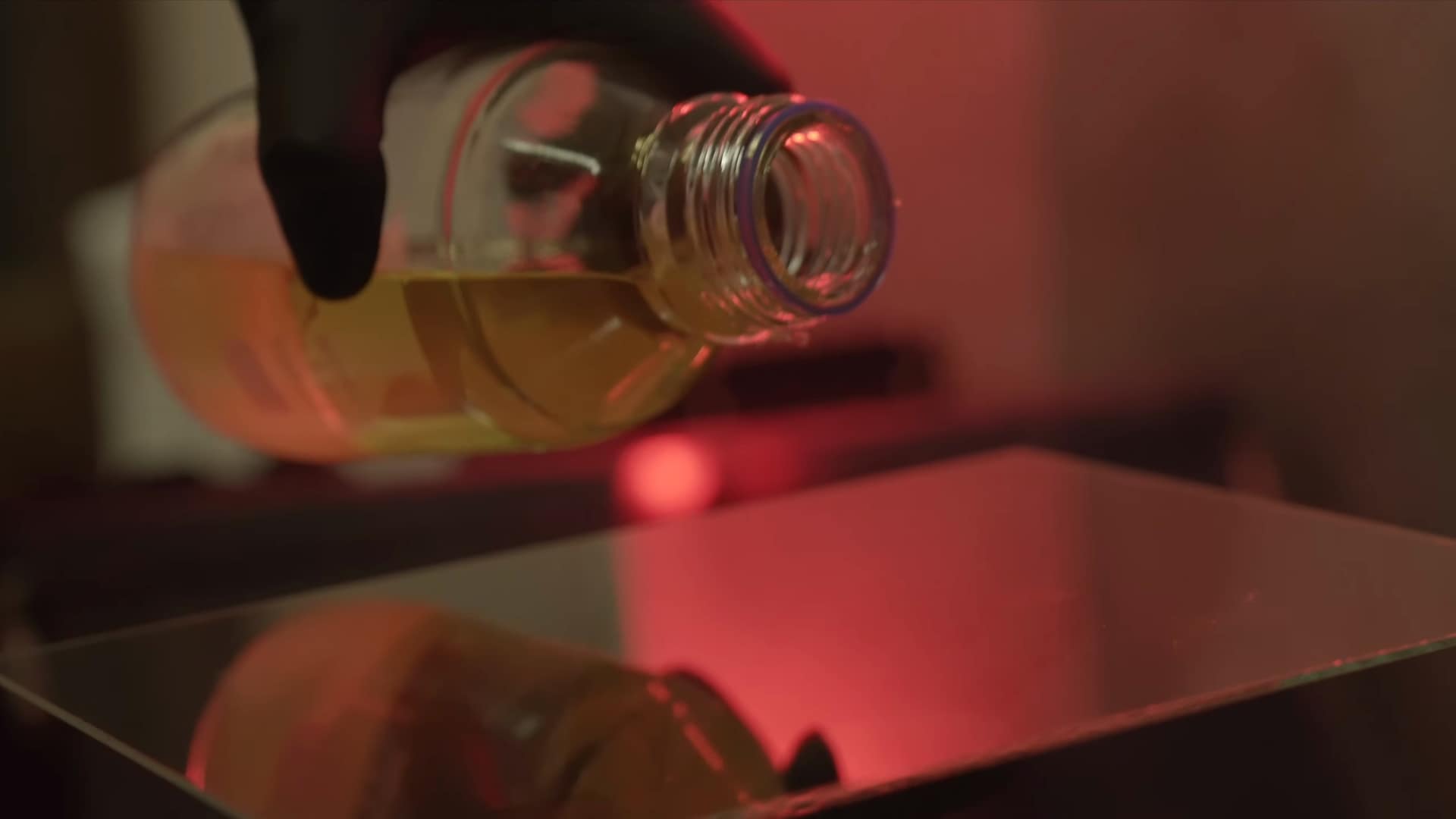
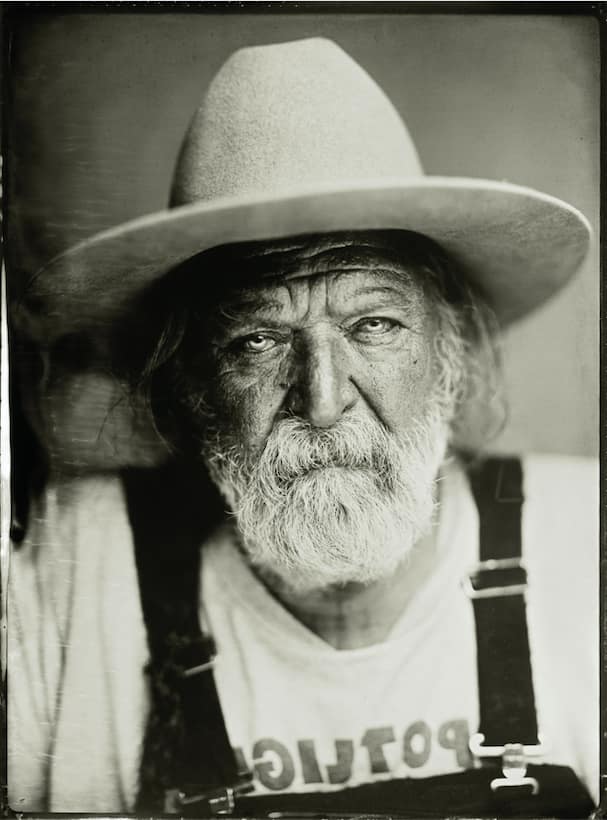
We asked Enzo to walk us through it. "Everything begins with a perfectly prepared glass or metal plate. I coat it with collodion, a solution containing salts that allow the surface to become light-sensitive. The plate is then immersed in a silver nitrate bath."
Then the clock starts. "From that moment, everything needs to happen quite quickly because the plate must remain wet throughout the entire process."
"I place it inside the camera, make the portrait with an exposure of a few seconds, and immediately return to the darkroom to develop and fix the image. The plate is then washed, dried, and protected with varnish."
It never gets fully predictable. "There are so many variables: temperature, humidity, aging chemicals, chemical reactions, lighting, or simply the movement of the person being photographed."
“Even after years of practice, I'm still learning and encountering new problems. That's also what makes this process so fascinating.”
Lenses with a personality
Enzo shoots on antique lenses. "I don't use them simply because they're old, but because their characteristics directly contribute to the aesthetic I'm looking for," he says. "These lenses have a real optical personality. Unlike modern lenses, which are generally designed to correct as many optical imperfections as possible, antique lenses have their own distinctive characteristics."
"Some produce incredible sharpness in the center of the image, with a beautiful softness toward the edges. Others create a sense of depth and a particular way of rendering shapes and volumes that I really appreciate."
“Choosing a lens is just as important to me as choosing the lighting or composition.”
Three seconds, perfectly still
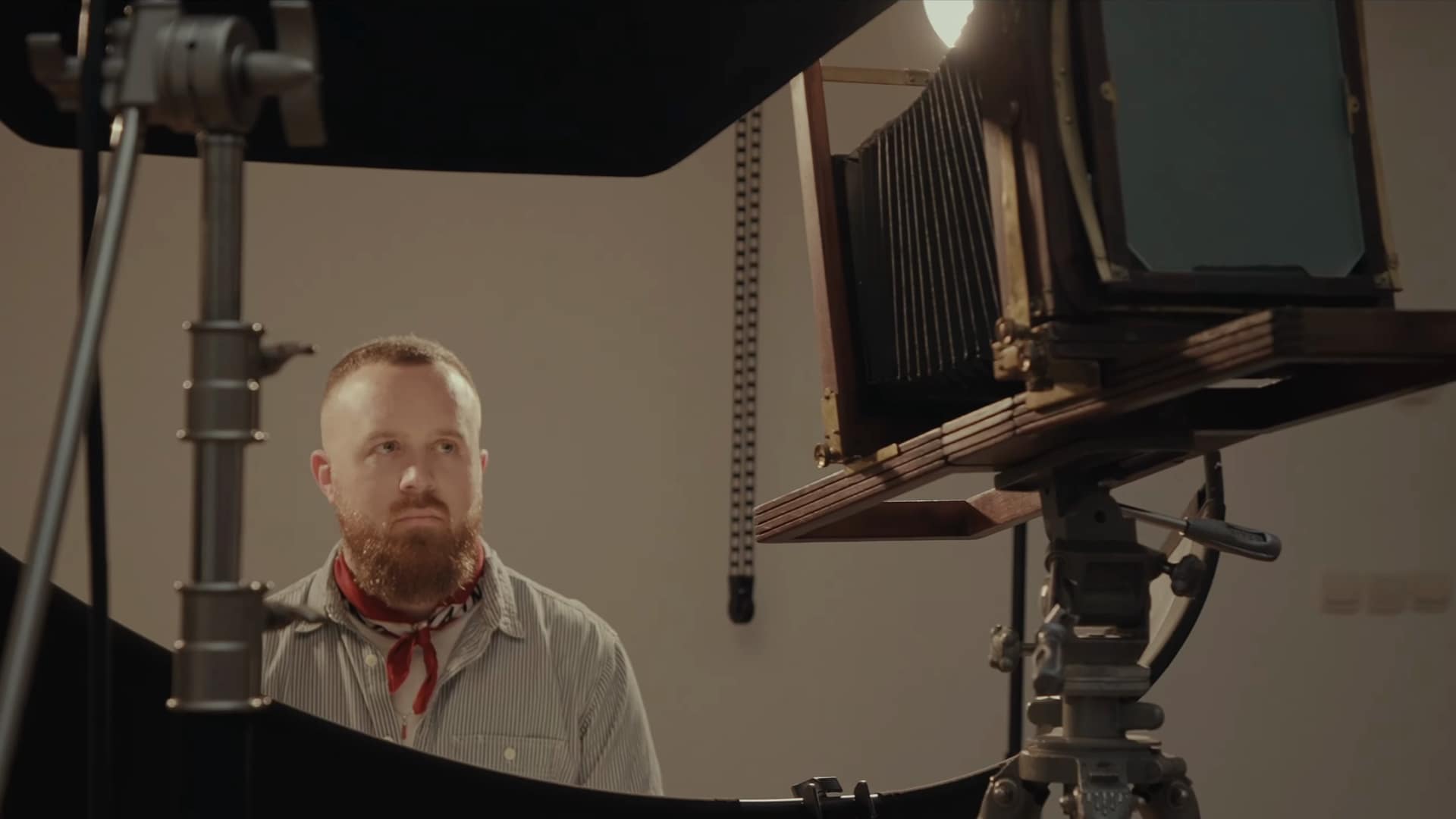
Sitters aren't used to it. "People are often surprised by the experience. We're so used to taking dozens of photographs in just a few seconds that remaining perfectly still for three seconds can feel unusual. But I believe this constraint also helps break down something artificial about the way we usually pose for photographs."
"There's no continuous shooting, no screen to immediately check the result, and no endless attempts."
“For a few moments, the person being photographed has to genuinely participate in creating their own image.”
He isn't after anything hidden. "I'm not necessarily trying to reveal some deep psychological truth about the people I photograph. What interests me is their presence, the way they occupy the image during that particular moment."
Silver Road
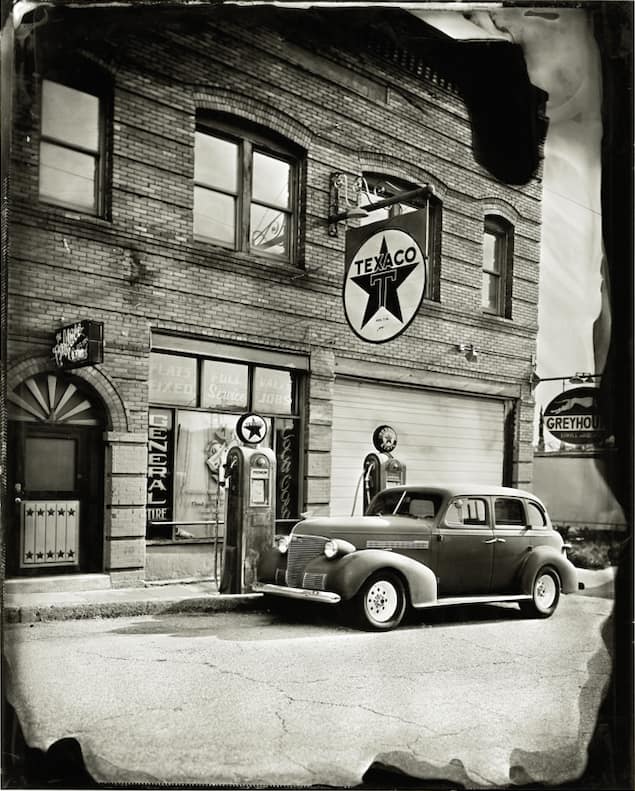
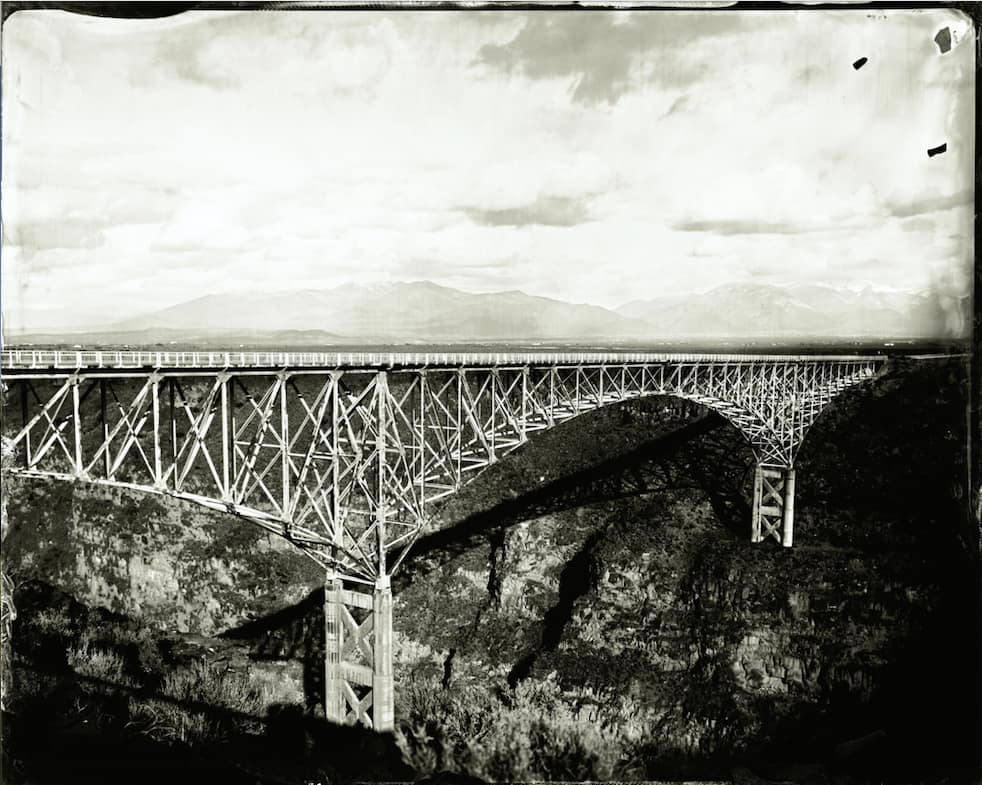
The darkroom has been a long way from Chalon. "For my series Silver Road, I traveled through several American states with my photographic darkroom, creating landscapes directly on plates."
"The light, climate, and working conditions can completely change the final result. Photographing in the Arizona desert is nothing like working inside a studio in Europe."
"These journeys involve a lot of unpredictability, and I love that. I constantly have to adapt to the environment and the limitations of the process. Sometimes a single photograph can require one or even two days of adjustments before achieving the result I'm looking for."
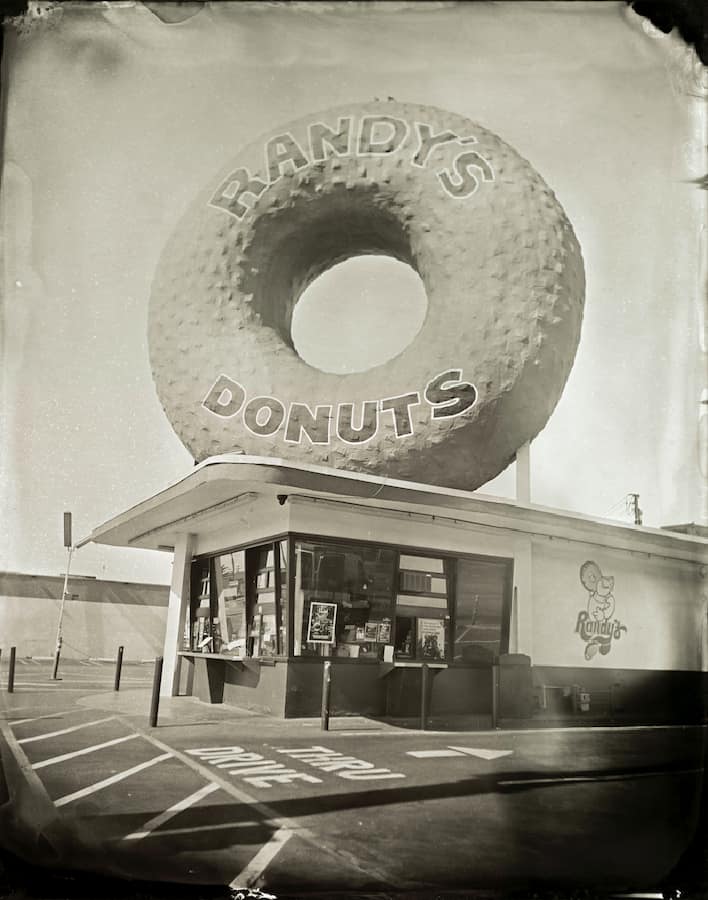
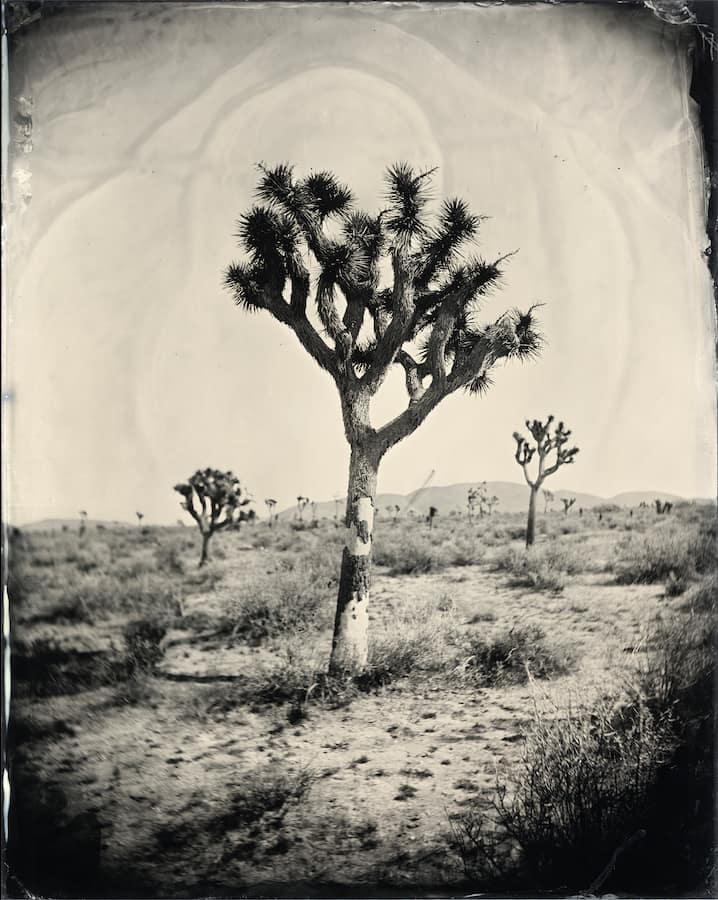
What he's after isn't nostalgia. "What fascinates me is bringing a photographic process from 1851 into landscapes I'm discovering today, without necessarily trying to create nostalgic images."
“It's also a way of experiencing, on my own scale, something of what the early photographic pioneers must have gone through when they traveled across these same territories long before us.”
Tacos
We asked for his favourite food. "Mexican tacos, without hesitation! For me, they bring together everything I love: simplicity, sharing, bringing people together, and traveling through food."
"Acidity, fat, salt… What more could you ask for? Well, maybe my cholesterol has a different opinion! Haha."
Not made for the feed
Coating a plate and watching an image appear makes good video. But that isn't why he does it. "I think the most important thing is to share something you're genuinely passionate about, rather than constantly trying to follow whatever happens to work on social media."
"My work naturally has a strong visual element that's interesting to share: coating a plate, developing an image, and revealing the final result. But I don't create my photographs for the purpose of making content."
“Social media is an incredible way to make my photographs travel and connect with people around the world, but it should never become the reason why I create.”
Not a creative person?
We asked what he'd tell someone who thinks they're not a creative person.
"I don't think creativity is something you either have or don't have. It's something you develop through curiosity, experimentation, and, above all, practice," he says. "You have to accept making mistakes, not understanding everything immediately, and sometimes creating things you're not completely satisfied with."
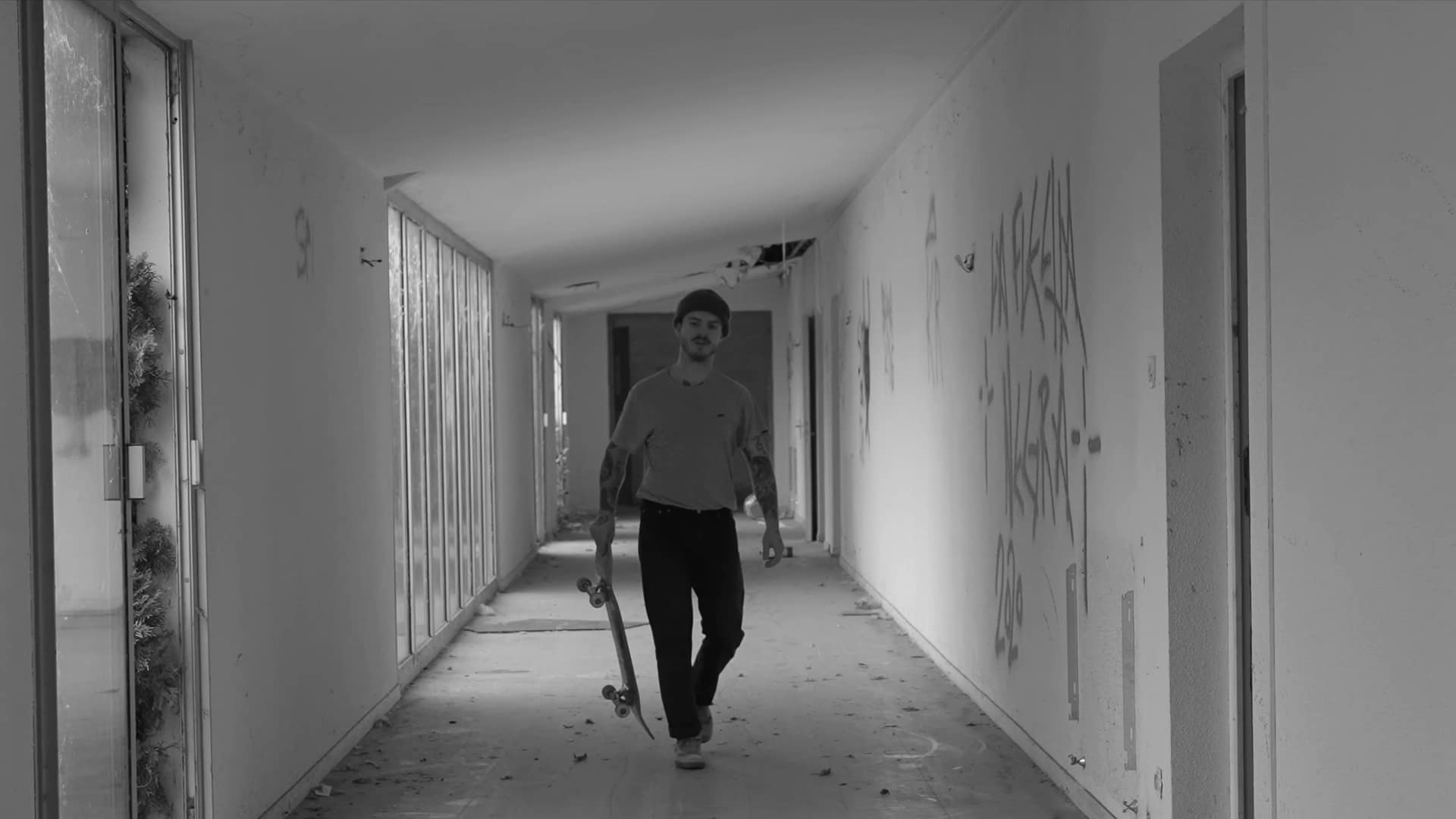
“Creativity is everywhere. Actually, many of my ideas come when I'm not taking photographs at all.”
"When I'm traveling, cooking, eating, skateboarding, or getting tattooed. All these experiences, sometimes completely unrelated to photography, end up feeding my artistic work."
Watch Savoir Faire, Alan Perreard's film about Enzo, and see more of his plates at enzolucia.com and on Instagram at @enzolucia_.
Related
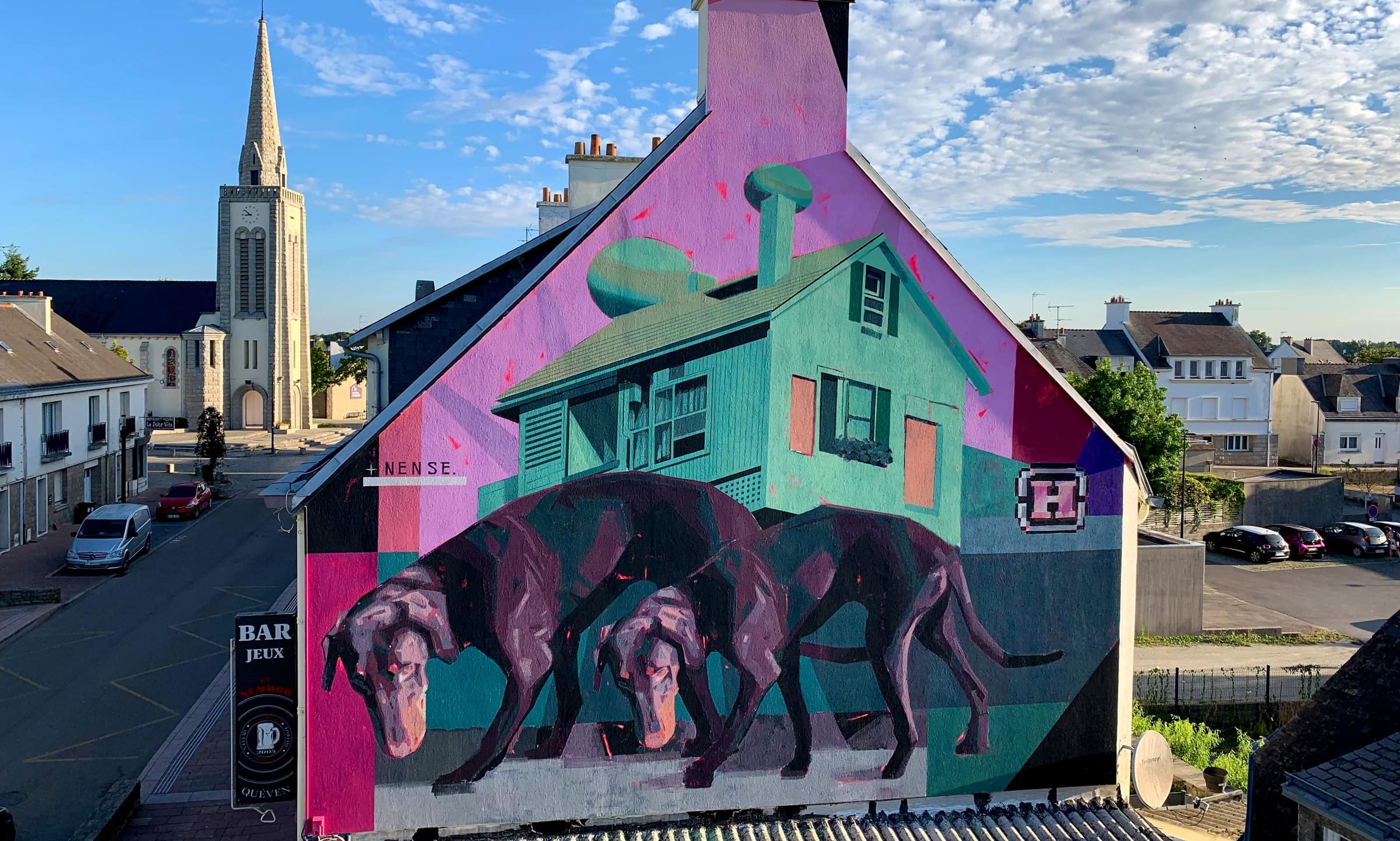
Nense Tango paints strays
Chilean muralist Nense Tango left home eight years ago and hasn't stopped moving. The dogs on the walls are strays, and so is the painter.
From Negative to Print: A Complete Guide to Analog Developing
One negative, one print, and the time it takes to get there.
Zander Clark paints one night a week
A full-time designer and a dad of two, Sydney painter Zander Clark gets one night a week in the studio. Here's how he makes it count.
Why Daniel Butterworth paints on cardboard
House paint, motorcycle boxes and a Rembrandt he saw at eight. Kyneton painter Daniel Butterworth, in his own words.